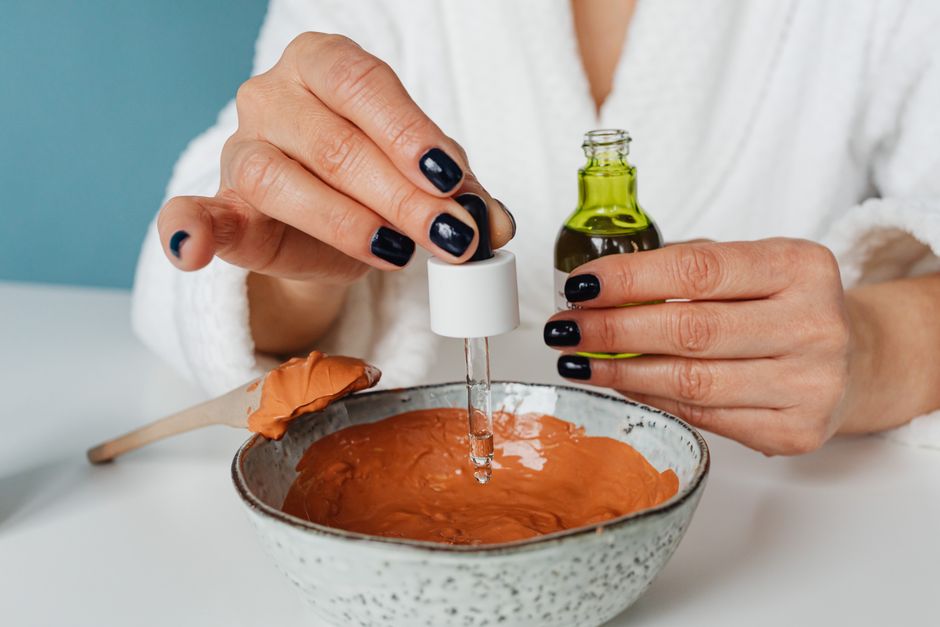
I spent three years slathering lavender oil on my face because a wellness blog told me it was “nature’s retinol.” My skin got redder. Tighter. Eventually, even water stung. It took a dermatologist exactly 30 seconds to diagnose contact dermatitis and tell me to stop using anything that smells nice. That was six years ago. I haven’t had a flare-up since.
The essential oil conversation isn’t as simple as “natural = safe” or “chemicals = bad.” It’s about understanding how your skin actually works. Let’s walk through what the data says, not what the marketing says.
What Essential Oils Actually Do to Skin (It’s Not Soothing)
Here’s the core problem: essential oils are volatile compounds designed to evaporate quickly. That’s why they smell so strong. When you apply them to your face, those same volatile organic compounds (VOCs) penetrate the stratum corneum and trigger a cascade of inflammation in susceptible people.
A 2017 study in the British Journal of Dermatology found that linalool and limonene—two of the most common essential oil components—oxidize on contact with air. The oxidized forms are significantly more allergenic than the fresh forms. So that bottle of sweet orange oil that’s been sitting on your bathroom counter for six months? It’s more irritating now than when you bought it.
Dr. Sandy Skotnicki, a Toronto-based dermatologist, calls this the “natural fallacy” in her book Beyond Soap. Just because something grows in the ground doesn’t mean it belongs on your face. Poison ivy is natural too.
Three Things Happen When You Apply Essential Oils Long-Term
1. Barrier disruption. Essential oils are lipid-soluble. They strip your skin’s natural oils, compromising the moisture barrier. You’ll notice tightness first, then flaking, then that telltale stinging when you apply anything else.
2. Subclinical inflammation. Even if you don’t see redness, low-grade inflammation can be happening beneath the surface. This accelerates collagen breakdown over time. The exact opposite of what most people are trying to achieve.
3. Sensitization. This is the scary one. You can use an essential oil for years with zero issues, then suddenly develop an allergy. Once sensitized, you’ll react to even trace amounts permanently.
The Oils Most Likely to Cause Problems
Not all essential oils are equally problematic. Based on patch test data from the North American Contact Dermatitis Group, here’s how the common ones stack up:
| Essential Oil | Risk Level | Common Reaction | Found In |
|---|---|---|---|
| Ylang-ylang | High | Immediate redness, itching | “Natural” perfumes, face oils |
| Lemongrass | High | Burning sensation, photosensitivity | Cleansing balms, toners |
| Bergamot | High (phototoxic) | Blistering in sunlight | Brightening serums, citrus blends |
| Lavender | Moderate | Slow-developing contact dermatitis | Everything—moisturizers, mists, oils |
| Tea tree | Moderate | Dryness, peeling at high concentrations | Acne spot treatments |
| Peppermint | Moderate | Immediate burning, vasodilation | Lip plumpers, cooling gels |
| Chamomile (German) | Low | Rare allergic response | Calming creams, baby products |
Bergamot deserves a special warning. It contains bergapten, a potent photosensitizer. Apply it in the morning and you’re asking for hyperpigmentation that takes months to fade. The FDA still allows it in cosmetics as long as the bergapten is removed, but not all brands use the rectified version.
When Tea Tree Oil Actually Makes Sense
I’m not anti-all-oils. Tea tree oil has legitimate evidence behind it for specific use cases. A 2006 randomized controlled trial published in the Indian Journal of Dermatology found that 5% tea tree oil gel was as effective as 5% benzoyl peroxide for mild to moderate acne—it just worked slower. The tradeoff: less dryness and peeling.
The key word is “5%.” Most undiluted tea tree oils sold in health stores are 100% concentration. That’s 20 times stronger than what the studies used. I’ve seen people apply neat tea tree oil directly to cystic acne and end up with chemical burns.
If you’re going to use tea tree oil:
- Buy a pre-formulated product at 5% concentration, like the Thursday Plantation Tea Tree Medicated Gel or The Body Shop Tea Tree Oil (already diluted with a carrier)
- Never apply undiluted essential oil directly to skin
- Use it as a spot treatment, not an all-over face application
- Stop immediately if you notice any stinging that lasts more than a few seconds
For most people, I’d still recommend salicylic acid or adapalene (Differin) over tea tree. They have decades more safety data and predictable results.
Why “Natural Fragrance” on a Label Means Almost Nothing
This is where the clean beauty industry gets slippery. A product labeled “natural fragrance” can legally contain dozens of compounds, including essential oils, isolates, and extracts. The FDA doesn’t require brands to disclose which ones.
“Fragrance-free” and “unscented” aren’t the same thing either. Unscented products can still contain masking fragrances—chemicals added to neutralize the smell of other ingredients. Fragrance-free, when the brand is honest, means no fragrance compounds were added for any purpose.
Brands I trust on this: Vanicream (everything they make is truly fragrance-free), La Roche-Posay Toleriane line, and Avène Tolerance range. These are formulated specifically for reactive skin and tested on people with confirmed fragrance allergies.
If you’re dealing with persistent redness, unexplained breakouts, or that tight-stinging sensation, cut every fragranced product for two weeks. Every single one. Shampoo, hand soap, laundry detergent, face cream. I’ve seen “mystery” skin issues resolve in 14 days just from this one change.
What to Use Instead If You Love the Ritual
I get it. Essential oils feel luxurious. The ritual of pressing oil into your skin, the aromatherapy aspect—that’s real value. You don’t have to give that up. You just need safer vehicles for it.
For the sensory experience: Use a facial oil with no essential oils added. The Ordinary 100% Plant-Derived Squalane is about $10 and gives you that slip and glow with zero fragrance. Biossance Squalane + Vitamin C Rose Oil uses rose extract, not rose essential oil—completely different safety profile.
For aromatherapy: Put the essential oils in a diffuser, not on your face. Inhaling lavender has documented calming effects. Applying it to your cheeks does not amplify those effects. It just adds irritation risk.
For acne treatment: Skip the tea tree and go straight to Differin Adapalene Gel 0.1% (formerly prescription, now over the counter). It’s been studied for decades, works on the actual mechanism of acne formation, and doesn’t sensitize your skin to allergens.
I know “just use a diffuser” sounds dismissive. But after watching my own skin barrier collapse and talking to dozens of people with similar stories, I’ve landed here: essential oils are wonderful for your nose, risky for your face, and completely unnecessary for your skincare results.