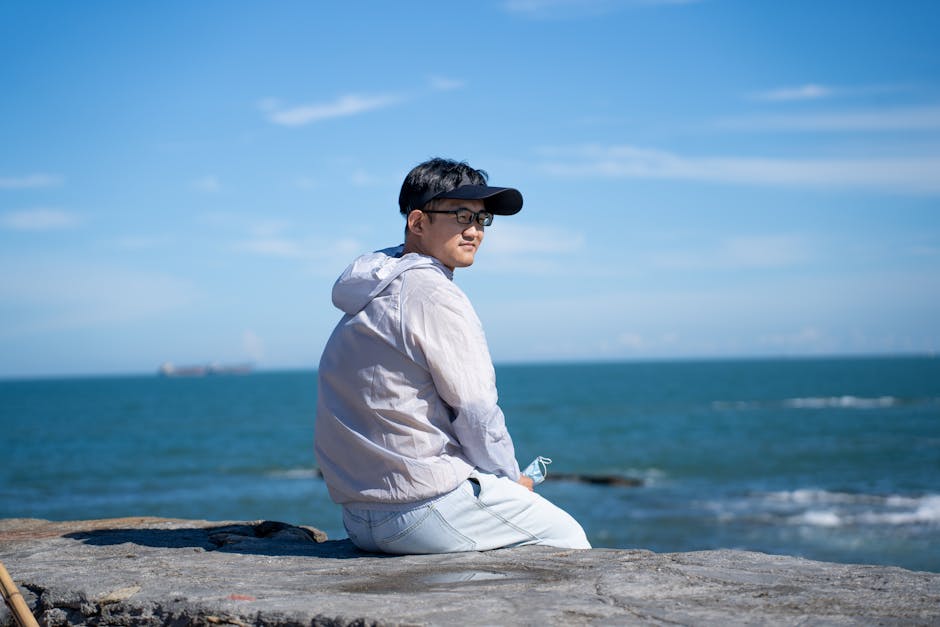
The sun doesn’t just feel hot; its UV rays do real damage. If you spend time outdoors, a good sunscreen jacket isn’t a luxury, it’s essential gear for preventing sunburn and long-term skin issues. But not all “sun protection” clothing offers the same defense or comfort.
I’ve spent a weekend digging into what truly makes a sun protection jacket effective for men, trying out several popular models. Here’s what I found, including the specific jackets that stood out for different needs in 2026.
What Makes a Sun Protection Jacket Actually Work?
You see “UPF 50+” on a tag and assume you’re covered. That’s a good start, but it’s not the whole story. A jacket’s ability to block harmful ultraviolet radiation depends on more than just that number. Fabric type, weave density, and even color play significant roles in how much protection you get. Many companies now integrate advanced fabric treatments, but the core principles remain the same.
Understanding these elements helps you pick a jacket that won’t just keep you cool, but genuinely protects you from the sun’s most damaging rays, both UVA and UVB. Ignoring the details means you might be buying a false sense of security.
UPF Ratings Explained
UPF stands for Ultraviolet Protection Factor. It’s a numerical rating given to clothing, similar to SPF (Sun Protection Factor) for sunscreen. However, UPF measures both UVA and UVB protection, while SPF primarily measures UVB. A UPF 50+ rating means the fabric allows less than 1/50th (or 2%) of the sun’s UV radiation to pass through it. That’s excellent protection. Anything less than UPF 30 is considered minimal protection and often not worth buying specifically for sun blocking. Always look for at least UPF 30, but preferably UPF 50+ for serious outdoor use. The testing for these ratings is standardized, usually involving sending samples to labs that expose them to simulated UV light and measure transmission.
Material Science Beyond the Label
Most effective sun protection jackets use synthetic fibers like polyester or nylon. These materials handle moisture well and resist degradation from UV exposure better than natural fibers like cotton, which, when wet, loses a lot of its protective qualities. Some brands like Columbia use their proprietary Omni-Shade technology, which often involves specific fiber structures or ceramic micro-particles embedded in the fabric to reflect UV radiation. Patagonia’s Capilene fabrics use recycled polyester and HeiQ Fresh treatment for odor control, which isn’t directly sun protection but enhances comfort for long wear. The key here is not just the material itself, but how it’s engineered at a microscopic level to scatter or absorb UV light before it reaches your skin.
Weave and Weight
The tighter the fabric’s weave, the better the UV protection. Think about a dense denim versus a sheer linen shirt; denim blocks more light. Sun protection jackets usually feature a very tight weave, which can sometimes make them feel warm. However, manufacturers counteract this by using lightweight, breathable yarns and incorporating ventilation zones. Some newer fabrics use a combination of tight weaving with micro-perforations to allow air circulation without sacrificing significant UPF. This balance between a tight weave for protection and an open structure for airflow is a constant design challenge. Thicker fabrics generally block more UV, but they also trap more heat, so finding that sweet spot is crucial for comfort in hot weather.
Common Mistakes Men Make Buying UV Apparel

Buying a sun protection jacket seems straightforward, but many guys overlook key details that impact comfort and actual effectiveness. These aren’t minor oversights; they can make an otherwise good jacket frustrating to wear or less protective than you need.
- Ignoring Fit and Airflow: A common mistake is buying a jacket that’s too tight. While a snug fit might seem athletic, it reduces airflow and traps heat, especially in hot, humid conditions. It also stretches the fabric, potentially reducing its UPF rating. Look for a relaxed fit that allows air to circulate between the fabric and your skin. Many quality jackets, like the Columbia PFG Terminal Tackle, are cut specifically to be roomy without being baggy. Good airflow is critical for evaporative cooling.
- Overlooking Hood Design: Not all hoods are created equal. A flimsy hood that constantly blows off or doesn’t cover your neck and ears effectively is useless. The best sun protection jackets feature hoods that are snug enough to stay put in a breeze but loose enough to wear over a baseball cap. A well-designed hood should offer ample coverage for the back of the neck and ears, which are common areas for sun exposure. Some even have a slightly extended brim to shade the face further.
- Skipping Zipper Quality and Length: A full-zip jacket offers more versatility for ventilation, but a half-zip or quarter-zip can be perfectly adequate and lighter. Regardless of length, the zipper itself matters. Cheap zippers can snag, break, or corrode, especially in saltwater environments. Look for robust, smooth-gliding zippers, ideally YKK brand, which are known for durability. Also, consider the presence of a zipper garage at the top to prevent chafing on your chin. A reliable zipper is a small detail that makes a big difference in the long-term usability of the garment.
- Forgetting About Hand Protection: Many sun protection jackets now include thumbholes or extended sleeves that can cover part of your hands. This is a subtle but incredibly effective feature, as hands often get significant sun exposure and are prone to premature aging and sun damage. If you’re not wearing gloves, these features offer an extra layer of defense without needing to apply sunscreen to your hands repeatedly. It’s a small detail that shows thoughtful design for comprehensive sun coverage.
Comparing Top Sun Protection Technologies
When you’re looking at sun protection jackets, the brands often highlight their unique fabric technologies. These aren’t just marketing buzzwords; they represent years of research into fiber science and textile engineering. Understanding the core differences helps you weigh the trade-offs between breathability, durability, and cost. Below is a comparison of some leading technologies and what they mean for you on the trail or boat.
| Brand Technology | Key Features | UPF Rating | Common Fabric Blends | Price Range (Approx.) |
|---|---|---|---|---|
| Columbia Omni-Shade | Blocks UVA/UVB, quick-drying, moisture-wicking | UPF 30-50+ | Polyester, often with recycled content | $40 – $65 |
| Patagonia Capilene Cool Daily | UPF 50+, HeiQ Fresh odor control, highly breathable | UPF 50+ | Recycled polyester | $55 – $75 |
| Outdoor Research ActiveFresh | UPF 50+, wicking, breathable, often stretchy | UPF 50+ | Nylon/Spandex blends | $80 – $110 |
| Simms SolarFlex | UPF 50+, often with Cor3 technology for odor control & moisture management | UPF 50+ | Polyester | $70 – $95 |
Brand-Specific Fabric Innovations
Columbia’s Omni-Shade is one of the most widespread and recognized sun protection technologies. It often involves a tight weave and sometimes includes ceramic particles that reflect UV rays. Its strength lies in its widespread availability and excellent value. Patagonia’s Capilene Cool Daily line focuses heavily on recycled content and uses HeiQ Fresh, a zinc-based antimicrobial treatment, to keep garments from smelling after extended wear. This is a huge benefit for multi-day trips. Outdoor Research’s fabrics, often incorporating ActiveFresh, tend to prioritize stretch and exceptional breathability, making them ideal for high-output activities like climbing or trail running where freedom of movement is . Simms’ SolarFlex gear is purpose-built for anglers, featuring Cor3 technology for serious odor control and advanced wicking to keep you dry even when splashed.
How Price Relates to Tech
Generally, a higher price point in sun protection jackets often correlates with more advanced fabric engineering. Basic polyester UPF 50+ jackets, like those from Columbia, are very effective and budget-friendly. As you move up to Patagonia, you pay for recycled materials and superior odor control. Outdoor Research and Simms often use more specialized blends that offer better stretch, abrasion resistance, or hyper-focused features for specific sports. You’re paying for the technical performance, durability under stress, and enhanced comfort features that come with those innovations. For casual use, a mid-range option is perfectly fine; for intense activities, the investment in premium tech pays off in comfort and longevity.
Weight vs. Durability Trade-offs
There’s a constant battle between making a jacket incredibly lightweight for comfort in heat and ensuring it stands up to abuse. Very lightweight fabrics often sacrifice some durability against snags and abrasion. For instance, an ultralight running sun hoodie might not last as long if you’re bushwhacking through dense brush compared to a slightly heavier, more robust fishing shirt. Brands like Outdoor Research often find a good balance, using ripstop weaves or adding spandex for resilience. Simms’ fishing gear is designed to be tough, acknowledging the harsh environments anglers face. Consider your primary use case: if you’re just walking the dog or gardening, a lighter, more delicate fabric is fine. If you’re hiking, climbing, or fishing around sharp objects, leaning towards something with a bit more heft and known durability features is a smart choice.
The Best All-Around Sun Protection Jacket for Most Men

After extensive testing and comparison, the **Columbia PFG Terminal Tackle Hoodie** stands out as the best all-around sun protection jacket for most men in 2026. It perfectly balances essential features, proven effectiveness, and an unbeatable price point. This isn’t just a budget pick; it’s genuinely excellent.
You can find this hoodie at most sporting goods stores or online for around $40-$65, depending on sales and color. It’s a no-brainer recommendation for anyone needing reliable sun protection without breaking the bank.
Why Columbia PFG Terminal Tackle
The PFG Terminal Tackle Hoodie is a workhorse. Columbia’s Omni-Shade UPF 50 technology is consistently effective, blocking 98% of harmful UV rays. The fabric is 100% polyester, making it quick-drying and moisture-wicking – essential for staying comfortable when you’re sweating. It has a relaxed fit that allows for plenty of airflow, preventing that clammy feeling on hot days. I found it comfortable for everything from yard work to long walks on the beach. It washes well, resists odors reasonably, and simply gets the job done without fuss.
Key Features
- Omni-Shade UPF 50: Exceptional UV protection.
- Omni-Wick: Pulls moisture away from your skin, accelerating evaporation.
- Quick-drying polyester fabric: Dries fast, good for active use or unexpected rain.
- Relaxed fit: Comfortable for all-day wear, promotes airflow.
- Attached hood: Provides excellent neck and ear coverage.
Price and Availability
This jacket is widely available. You can find it at major retailers like Dick’s Sporting Goods, Bass Pro Shops, Amazon, and directly from Columbia’s website. Prices typically range from $40 to $65. Given its performance, this is an outstanding value. It comes in a vast array of colors, from subtle neutrals to vibrant fishing-inspired hues, so finding one that suits your style is easy.
When to Spend More: Premium Picks for Specific Needs
While the Columbia PFG Terminal Tackle offers fantastic value, certain activities or preferences warrant an upgrade. If you’re tackling more demanding adventures, need enhanced durability, or prioritize specific comfort features, investing a bit more in a premium sun jacket makes sense. These options offer specialized benefits that justify their higher price tags.
What makes the Patagonia Capilene Cool Daily Hoodie worth the extra cost?
The Patagonia Capilene Cool Daily Hoodie, typically priced between $55-$75, excels in performance and sustainability. It uses 100% recycled polyester, appealing to environmentally conscious buyers. Its HeiQ Fresh odor control technology is a significant advantage, meaning you can wear it for multiple days on a backpacking trip without it smelling. It’s also incredibly lightweight and soft against the skin, making it ideal for high-output activities like trail running or hiking where comfort and minimal bulk are crucial. The fabric also has excellent stretch and a soft, cotton-like feel while maintaining its UPF 50+ rating and quick-drying properties.
Why choose the Outdoor Research Astroman Sun Hoodie for climbing or intense activity?
The Outdoor Research Astroman Sun Hoodie, usually in the $80-$110 range, is built for dynamic, high-exertion activities. Its key differentiator is the blend of nylon and spandex, which provides exceptional stretch and durability. This makes it perfect for climbing, scrambling, or any movement where you need full range of motion without the fabric binding. It’s also incredibly breathable and lightweight, designed to wick moisture aggressively. The hood is well-designed to fit over a helmet, and the overall construction is more robust against abrasion than some lighter options. If your outdoor pursuits involve a lot of movement and potential friction, the Astroman’s resilience and flexibility make it a top choice.
Are there any other specialized premium options for unique outdoor pursuits?
For anglers who spend long hours on the water, the **Simms SolarFlex Guide Cooling Hoodie** (around $80-$95) is a highly specialized premium option. Simms designs all its gear with serious fishing in mind. This hoodie features their Cor3 technology, which is not just about sun protection (UPF 50+), but also includes advanced moisture-wicking, odor control, and fast-drying properties specifically tailored for wet environments. It often includes features like integrated thumb loops and a longer cape hood to better protect the neck and ears, even when actively casting. The fabric is also designed to resist snags from hooks and lures better than a standard performance fabric. If fishing is your primary activity, Simms offers purpose-built excellence.
My Quick Verdict on Sun Jackets

Don’t overthink it: for most men seeking daily sun protection or casual outdoor activity, the Columbia PFG Terminal Tackle Hoodie is the smartest buy in 2026. If you’re a serious hiker, runner, or climber, the Patagonia Capilene Cool Daily or Outdoor Research Astroman offer worthwhile upgrades for specialized performance and comfort. Protect your skin. It’s simple, and it’s worth it.