
Your curls feel like hay the day after wash day. You’ve tried deep conditioners, leave-ins, oils. Nothing sticks. The problem isn’t what you’re adding—it’s what you’re stripping away every time you shampoo.
Standard shampoos remove dirt. They also remove every trace of natural oil your scalp produces. For straight hair, that’s fixable. Straight strands let oil slide from root to tip in a day or two. Curly hair doesn’t work that way. The oil sits at your scalp. The ends stay dry. Every shampoo resets a process your hair can’t complete fast enough.
Co-washing—washing with conditioner instead of shampoo—cuts that cycle. You clean your scalp without stripping it. Your curls finally hold moisture because you stopped removing it.
This isn’t a trend. It’s physics. And when you do it right, you’ll know within two washes.
What Co-Washing Actually Does (And Doesn’t Do)
Let’s kill the biggest myth first: conditioner does not clean like shampoo. It doesn’t have sulfates. It doesn’t lather. But it does have cationic surfactants—the same ingredients that make conditioner smooth your hair—that bind to dirt and oil weakly enough to rinse them away without stripping everything.
Think of it as dry dusting versus power-washing your deck. Shampoo is the power washer. Effective, yes. But do it too often on weathered wood and you’ll erode the surface. Co-washing is the microfiber cloth. It removes the daily dust without gouging the material underneath.
What co-washing removes: sweat, light product residue, dust, excess oil.
What co-washing does NOT remove: heavy silicones, petrolatum, thick butters, hard water mineral buildup.
That last part matters. If you use products with non-water-soluble silicones (dimethicone, amodimethicone, cyclomethicone), co-washing alone won’t cut it. You’ll get buildup. Your curls will feel coated, heavy, and eventually dry because water can’t penetrate the silicone shell. More on that in a minute.
Who Should Co-Wash (And Who Absolutely Shouldn’t)
Co-washing works best for:
- Curl types 3A through 4C—the tighter the curl, the harder it is for natural oils to travel down the shaft
- Low-porosity hair that repels moisture and takes forever to dry
- High-porosity hair that loses moisture the second you step out of the shower
- Anyone whose hair feels stripped and squeaky after shampoo
- Scalps that aren’t overly oily—if your scalp gets greasy within 24 hours of washing, co-washing alone probably won’t satisfy you
Skip co-washing if:
- You have seborrheic dermatitis or dandruff that requires medicated shampoo
- Your scalp is genuinely oily, not just dehydrated
- You use heavy silicones daily and refuse to switch products
- You live in an area with very hard water—mineral buildup will accumulate faster than conditioner can remove it
The Exact Co-Washing Method That Doesn’t Leave Buildup

Most co-washing tutorials skip the mechanics. They tell you “scrub your scalp with conditioner” and leave it at that. That’s why so many people try co-washing once, get greasy roots, and quit. The technique matters more than the product.
Step 1: Soak Your Hair Completely
This sounds obvious. It’s not. Curly hair repels water, especially low-porosity curls. Stand under the shower for a full 60-90 seconds before applying anything. Your hair should feel heavy and fully saturated. If water beads on the surface, keep going. Conditioner can’t clean what water hasn’t penetrated.
Step 2: Apply Conditioner to Your Scalp—Not Just Your Ends
This is the mental hurdle. You’ve been trained to keep conditioner off your scalp. For co-washing, you need it there. Use a generous palmful of a lightweight, silicone-free conditioner. Section your hair if it’s thick. Apply directly to the scalp in rows, like you’re frosting a cake.
Product that works here: As I Am Coconut CoWash ($10, available at most drugstores) is the gold standard for a reason—it has enough slip to detangle but rinses clean. TRESemmé Botanique Nourish & Replenish Conditioner ($6) is the budget option that actually works if you’re starting out. Both are silicone-free, which is non-negotiable for co-washing.
Step 3: Scrub for 2 Full Minutes—Not 30 Seconds
Use your fingertips, not your nails. Work in sections. You’re mechanically removing dead skin, sweat, and old product. The conditioner provides slip; your fingers provide the cleaning action. If your arms aren’t tired, you’re not scrubbing long enough.
Target your crown, nape, and behind your ears. These spots collect the most oil and get the least attention. Scrub in circular motions. Imagine you’re washing product out, not just moving conditioner around.
Step 4: Rinse Until It Feels Almost Squeaky
This is where most people fail. They leave conditioner residue on the scalp, which feels like buildup within 12 hours. Rinse for at least 90 seconds. The water should run completely clear. Your roots should feel clean, not coated. If there’s any slickness left, keep rinsing.
Step 5: Condition Your Ends Normally
Now apply a richer conditioner to your mid-lengths and ends only. This stays on for 3-5 minutes. Detangle here, with the conditioner still in your hair. SheaMoisture Raw Shea Butter Restorative Conditioner ($12) works well for this step on thick, coarse curls. For finer curls, stick with something lighter like Giovanni Smooth As Silk Deeper Moisture Conditioner ($9).
When Co-Washing Goes Wrong: Buildup, Itch, and Limp Curls
Two weeks into co-washing, your scalp itches. Your curls look stringy. You’re ready to quit and buy the strongest shampoo you can find.
This happens to almost everyone. It’s fixable. Here’s what’s actually going wrong.
| Symptom | Likely Cause | Fix |
|---|---|---|
| Greasy roots within 12 hours | Not rinsing thoroughly enough or using a conditioner that’s too heavy | Rinse for 2+ minutes. Switch to a lighter conditioner. Try As I Am Coconut CoWash instead of a thick cream conditioner. |
| Itchy, flaky scalp | Product buildup or mild fungal overgrowth from constant moisture | Clarify once with Neutrogena Anti-Residue Shampoo ($6), then add a monthly clarifying wash to your routine. Some scalps simply need occasional sulfates. |
| Hair feels coated, won’t absorb water | Silicone buildup from styling products that co-washing can’t remove | Check your leave-ins and gels for dimethicone. Switch to water-soluble alternatives. Clarify once to reset. |
| Limp, stretched-out curls | Over-moisturizing without enough protein | Add a protein treatment every 2-3 weeks. Aphogee Two-Step Protein Treatment ($5 for the packet) is intense. Mielle Organics Babassu Oil & Mint Deep Conditioner ($12) has a gentler protein balance. |
| Wet-dog smell that won’t go away | Mildew from hair staying damp too long or product trapped in low-porosity hair | Dry your roots immediately after washing. Don’t pineapple soaking wet hair overnight. Use a microfiber towel on your scalp. |
The itch is the dealbreaker for most people. If clarifying once a month doesn’t solve it, co-washing might not be for your scalp chemistry. That’s fine. The alternative is a low-poo routine—using a sulfate-free shampoo once a week and co-washing in between. SheaMoisture Jamaican Black Castor Oil Strengthen & Restore Shampoo ($11) is gentle enough for this rotation.
Building a Co-Wash Routine That Lasts More Than a Month
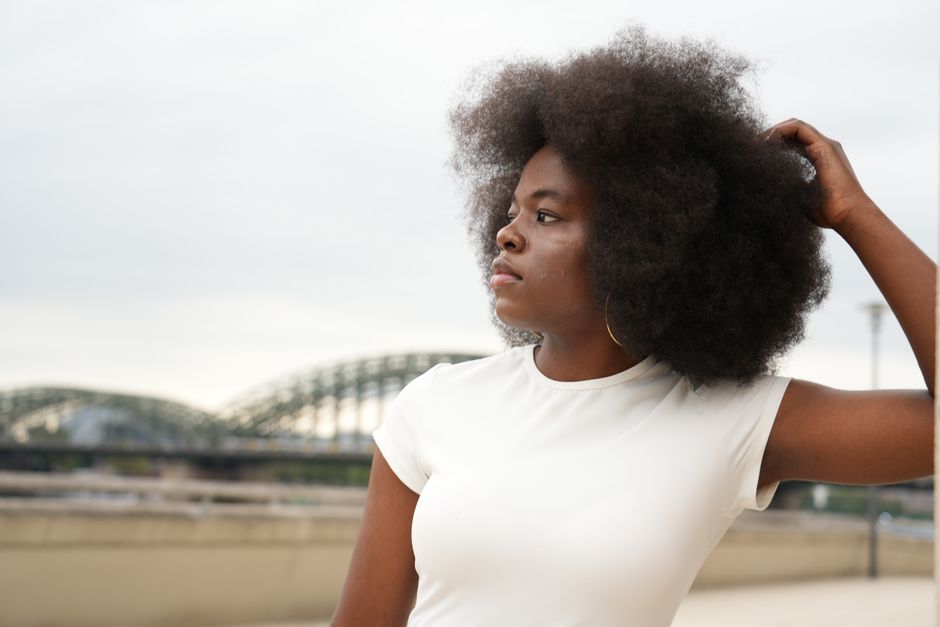
The first two weeks of co-washing feel like a miracle. Soft curls. Less frizz. No more straw-like ends. Then week three hits and your scalp starts sending signals. That’s when most people bail.
The secret nobody tells you: co-washing isn’t all-or-nothing. The people who succeed long-term use a hybrid approach.
The 3:1 rotation that actually works:
- Co-wash 2-3 times per week, depending on how active you are
- Use a sulfate-free shampoo every 4th wash (roughly every 10-14 days)
- Clarify with a sulfate shampoo once a month, no exceptions
That monthly clarify is non-negotiable. Even if you use zero silicones, your own scalp oils and sweat will eventually build up. A $6 bottle of Suave Daily Clarifying Shampoo solves this. One wash. Then back to your co-wash routine.
For styling after a co-wash, less is more. Your hair is already conditioned. You don’t need a leave-in, a cream, and a gel. Pick one styler with hold. Kinky-Curly Original Curling Custard ($17) gives definition without weighing down co-washed hair. Ouidad Advanced Climate Control Heat & Humidity Gel ($26) is pricier but handles frizz in humid climates without silicones.
Is Co-Washing Worth It? A Verdict After 6 Months

Yes, with conditions.
If you’re willing to check your product labels for silicones, scrub your scalp like you mean it, and clarify once a month, co-washing will transform dry, frizzy curls into something you actually recognize as healthy hair. Your wash day shrinks. Your product collection simplifies. Your curls retain moisture for days instead of hours.
If you want a zero-effort routine where you slap on any conditioner and hope for the best, co-washing will fail you within three weeks. The buildup will win. Your scalp will rebel. You’ll blame the method when the real issue was skipping the clarifying step or using a conditioner full of dimethicone.
The products that make it work aren’t expensive. As I Am Coconut CoWash ($10) and a cheap clarifying shampoo ($6) cover 90% of the routine. The rest is technique and consistency.
Co-washing isn’t a shortcut. It’s a trade. You give up the instant-gratification lather for curls that actually hold moisture. For hair that’s been stripped by sulfates for years, that trade is worth it.