
Dry skin doesn’t need more products. It needs the right ones in the right order. After years of flaky patches, tightness, and foundation that looked like cracked mud, I landed on a routine that actually works. Here’s exactly what I did — and what you should skip.
Why Your Current Routine Is Making You Flakier
Most people with dry skin make the same mistakes. They scrub off flakes with harsh exfoliants. They use thick creams that sit on top of the skin but never sink in. They skip the one ingredient that actually fixes the barrier: ceramides.
Here’s the first-principles truth: dry skin is a damaged moisture barrier. The top layer of your skin (stratum corneum) has gaps between cells. Water escapes. Irritants get in. Flaking is the result.
To fix it, you need three things: a gentle cleanser that doesn’t strip oils, a hydrating layer that adds water, and an occlusive that locks everything in. That’s it. No 12-step routine.
Common Mistake: Over-Exfoliating
Physical scrubs with walnut shells or sugar? Hard no. Chemical exfoliants like glycolic acid at high concentrations? Also bad for dry skin. You don’t need to remove flakes — you need to prevent them from forming. Exfoliate once a week max, with a gentle lactic acid product (5% or less).
Common Mistake: Using the Wrong Cleanser
Foaming cleansers that leave your face feeling “squeaky clean” are stripping your skin of natural oils. That squeak is your barrier crying for help. Switch to a non-foaming, creamy cleanser. CeraVe Hydrating Facial Cleanser ($15, 12 oz) is a solid choice. It contains ceramides and doesn’t foam.
The Exact 4-Step Routine That Fixed My Flakiness
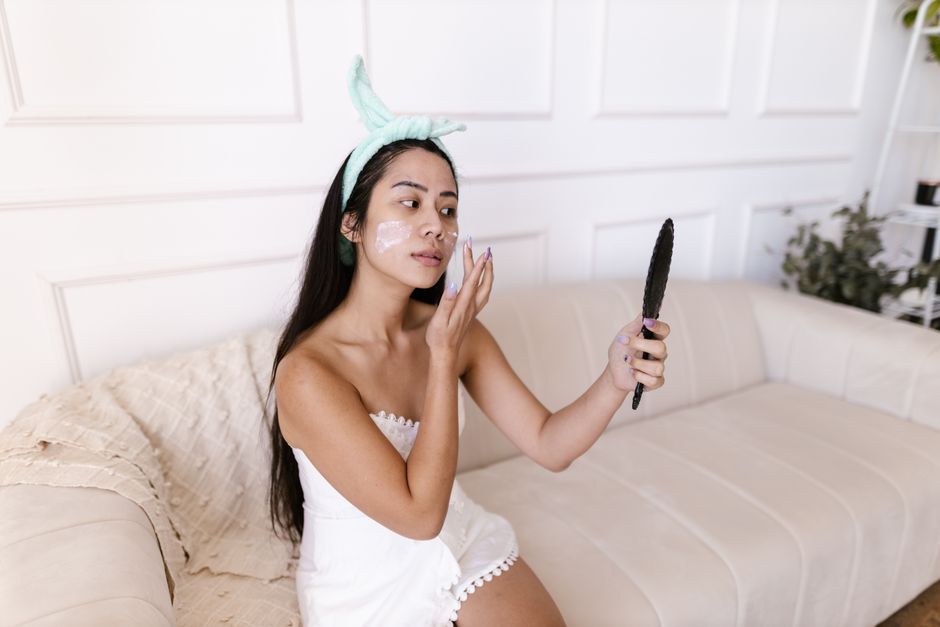
I tested this routine for 8 weeks. Flaking stopped after 3 days. Tightness was gone by day 5. Here’s the order, with product specifics.
| Step | Product Example | Key Ingredient | Price |
|---|---|---|---|
| 1. Cleanse | La Roche-Posay Toleriane Hydrating Gentle Cleanser | Ceramide-3, niacinamide | $16 (13.5 oz) |
| 2. Hydrate (damp skin) | Kiehl’s Ultra Facial Cream | Squalane, glycerin | $38 (1.7 oz) |
| 3. Seal | Cetaphil Moisturizing Cream | Petrolatum, dimethicone | $18 (16 oz) |
| 4. Protect (AM only) | La Roche-Posay Anthelios Mineral SPF 50 | Zinc oxide, titanium dioxide | $36 (3.4 oz) |
Apply step 2 to damp skin — this is non-negotiable. Water pulls the humectants (squalane, glycerin) deeper into the skin. Wait 60 seconds. Then apply the cream to seal it.
When NOT to Buy a Thick Moisturizer
I hear this a lot: “My skin is dry, so I need the thickest cream possible.” Wrong. Thick creams with petrolatum or mineral oil are great for sealing, but if your skin is dehydrated (lacking water, not oil), a heavy cream will just sit on top and do nothing.
Here’s the test: After washing your face, does your skin feel tight? That’s dehydration. You need a hydrating serum or toner first. If your skin feels greasy but still flakes, you need a lighter moisturizer with more humectants.
When to skip thick creams: If you have dry skin + acne, or dry skin + redness. Thick occlusives can trap heat and irritate sensitive skin. Try a gel-cream instead, like Neutrogena Hydro Boost Water Gel ($18, 1.7 oz). It’s oil-free but still hydrating.
When thick creams work: If your skin is genuinely dry (not just dehydrated) and you live in a cold, dry climate. Then use something like Kiehl’s Ultra Facial Cream or First Aid Beauty Ultra Repair Cream ($36, 6 oz). Both have shea butter and ceramides.
Ingredients That Actually Fix Dry Skin
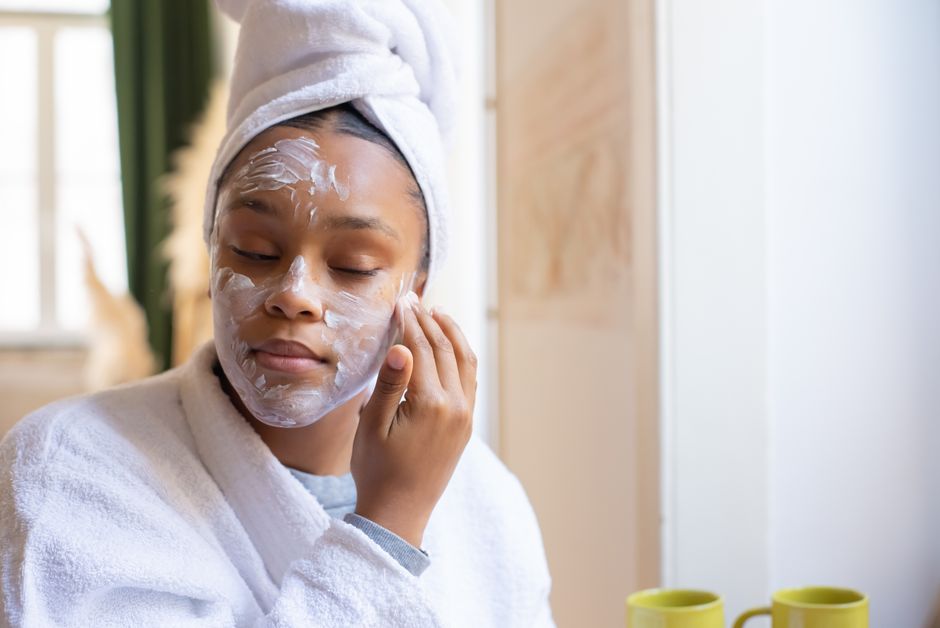
Forget the marketing hype. Only four categories of ingredients matter for dry skin. Check your product labels for these.
Humectants pull water into the skin. Glycerin, hyaluronic acid, and aloe vera are the best. Ceramides fill the gaps in your moisture barrier. Look for ceramide NP, AP, or EOP. Occlusives create a physical seal. Petrolatum, dimethicone, and shea butter work. Emollients soften and smooth. Squalane, jojoba oil, and fatty alcohols (cetyl, stearyl) are good.
One product that combines all four: CeraVe Moisturizing Cream ($16, 16 oz). It has three types of ceramides, hyaluronic acid, and petrolatum. Cheap and effective.
What About Oils?
Facial oils are fine if you’re dry, but they’re occlusives, not humectants. Apply oil as the last step, after your moisturizer. The Ordinary 100% Plant-Derived Squalane ($8, 1 oz) is a lightweight option that won’t clog pores.
One-Week Dry Skin Repair Plan

If you want fast results, follow this exactly for 7 days.
- Day 1-3: Cleanse with a creamy cleanser (La Roche-Posay Toleriane). No exfoliation. Apply moisturizer to damp skin morning and night. Use a thick cream at night.
- Day 4-5: Add a hydrating serum before moisturizer. The Ordinary Hyaluronic Acid 2% + B5 ($10, 1 oz) works well. Apply to damp skin, then moisturize.
- Day 6-7: If flaking persists, add a gentle exfoliant once. Use Paula’s Choice 5% Lactic Acid ($35, 1 oz) at night. Skip other actives.
By day 7, your skin should feel soft, not tight. No more flakes. If it doesn’t, you’re either using a cleanser that’s too harsh or skipping the damp-skin step.
Dry skin isn’t a life sentence. It’s a routine problem. Fix the routine, fix the skin.