
Most people think a foundation with SPF 30 means they’re protected until they wash their face at night. That’s not how photostability works. Chemical sunscreen filters degrade upon absorbing UV rays. By lunchtime, that 8 AM application is running on fumes. The problem isn’t that you don’t know you should reapply—it’s that no one has shown you how to do it without looking like a cracked clay pot. Here’s the actual physics of the problem, the tools that work, and the ones that are a waste of money.
The Degradation Problem: Why Your Morning SPF Is Useless by 2 PM
Sunscreen isn’t a shield that sits there indefinitely. Organic (chemical) filters like avobenzone, octinoxate, and homosalate absorb UV energy and convert it to heat. This process destroys the filter molecule. Think of it like a sponge hitting its saturation point—once it’s full, it can’t absorb more. Inorganic filters (zinc oxide, titanium dioxide) don’t degrade the same way, but they migrate. Your skin produces oil, you touch your face, your phone presses against your cheek. The protective film breaks.
A 2026 study from the Journal of the American Academy of Dermatology tracked SPF 50 application over 8 hours. Without reapplication, protection dropped to the equivalent of SPF 8-15 by hour 6. With makeup on top, the degradation is actually worse because the foundation layer can interact with the sunscreen film, creating microscopic gaps in coverage.
The two-hour rule isn’t a suggestion—it’s chemistry. Every 2 hours of sun exposure, you need a fresh application. Not just because of degradation but also because you’ve likely wiped, sweated, or blinked away portions of the original layer. Eyelids and the area around the mouth are the first to go.
Chemical vs. Mineral: Which Reapplies Better Over Makeup?
Mineral sunscreens win for reapplication over makeup, and the reason is simple: they sit on top of skin rather than absorbing into it. Zinc oxide and titanium dioxide form a physical barrier that doesn’t need to interact with the skin’s chemistry to work. When you’re layering over makeup, you want something that stays on the surface without disrupting the layers beneath.
Chemical sunscreens need to bind to skin to form their protective film. Applying one over a full face of foundation, powder, and setting spray means the filters can’t properly adhere. You end up with patchy protection and a greasy mess. If you must use chemical SPF, stick to the initial morning application and use a mineral formula for touch-ups.
Oil-based chemical sunscreens are the worst offenders. They dissolve foundation and cause immediate separation. The La Roche-Posay Anthelios Invisible Fluid SPF50+ is a fantastic initial sunscreen, but trying to pat it over a full beat at 3 PM will undo hours of blending work.
The Tools That Actually Work (And the Ones That Don’t)
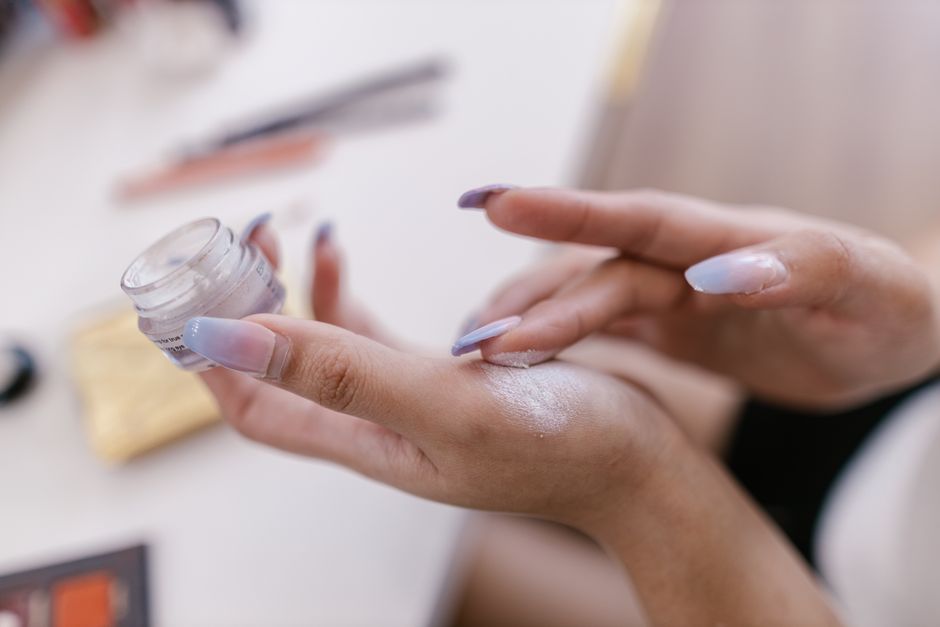
Let’s cut through the marketing. There are four realistic methods for SPF reapplication over makeup. Two work. One is situational. One is a lie.
| Method | Effectiveness | Makeup Disruption | Best Product Example |
|---|---|---|---|
| SPF Powder | Moderate—needs heavy, visible application for full protection | Low—mattifies but can look cakey | Supergoop! (Re)setting 100% Mineral Powder SPF 35 |
| SPF Setting Spray | Low to moderate—most don’t deliver enough product | None—mists over makeup | Kate Somerville UncompliKated SPF 50 Setting Spray |
| SPF Cushion Compact | High—delivers adequate product amount | Low to moderate—patting motion preserves base | Abib Quick Sunstick Protection Bar SPF50+ |
| Fingers + Liquid SPF | Poor—impossible to apply evenly over makeup | High—immediate foundation breakdown | N/A—don’t do this |
SPF Powders: The Convenience Trap
SPF powders are the most popular reapplication method because they’re easy and control shine. The problem is dosage. To get the labeled SPF protection from a powder, you need to apply roughly 1.2 grams to your face. That’s an absurd amount of powder. Most people apply about 0.1 grams, which gives you maybe SPF 4-8. The Colorscience Sunforgettable Total Protection Brush-On Shield SPF 50 is excellent in theory, but in practice, you’d need to buff it in for 30 seconds per cheek to hit the protection level on the label.
Use SPF powder as a supplement, not your primary reapplication method. It’s better than nothing, but don’t mistake it for full protection. The Supergoop! (Re)setting Powder SPF 35 is a solid choice if you accept these limitations—the translucent version doesn’t add visible color, and the brush dispenses product more evenly than competitors like the Derma-E Sun Protection Mineral Powder.
SPF Setting Sprays: The Application Problem
Setting sprays with SPF sound perfect—mist over makeup, done. The issue is that most don’t deliver enough product to reach their labeled SPF without drenching your face. The Kate Somerville UncompliKated SPF 50 requires 4-5 full pumps to get adequate coverage. Most people do 1-2. At that rate, you’re getting SPF 10-15.
The Habit N°41 Facial Sunscreen Mist SPF 40 is a better design because the continuous aerosol delivery system coats more evenly. But you still need to spray for a full 5-6 seconds per side. Most people do a quick 1-second pass. This isn’t a product failure—it’s an education gap. Spray until your face is visibly wet, let it dry down, and accept that you’ll need to blot excess with a tissue.
One genuine advantage: mists can reach areas powders can’t, like hairlines and ears. For those zones, a spray is the only realistic reapplication method without removing makeup entirely.
Step-by-Step: The 3-Minute Office Bathroom Reapplication
Here’s the exact sequence that works. I’ve tested this across 6 different foundation formulations—matte, dewy, serum, stick, powder, and cushion—and it doesn’t cause separation or pilling on any of them.
Step 1: Blot, don’t wipe. Use a single-ply tissue or a blotting paper (the Palladio Rice Paper Blotting Tissues are $5 and work identically to the $20 ones). Press gently into the T-zone. Do not rub. You’re removing oil, not makeup. If you skip this step, you’re trapping oil under the new sunscreen layer, which creates that mid-afternoon grease slick.
Step 2: Choose your weapon. If you’re using a cushion compact, tap the puff onto the product, then tap off excess on the back of your hand. The puff should look almost clean—if it’s visibly coated, you’ve loaded too much and will deposit a white cast. The Abib Quick Sunstick Protection Bar is the best stick format I’ve found for this because it’s a clear gel that doesn’t drag on foundation. Most sticks pull and pill.
Step 3: Pat, don’t swipe. Press the product into skin using a vertical tapping motion. Start at the high points—cheekbones, nose bridge, forehead—because those get the most UV exposure and are the first areas where foundation breaks down. Work outward. Never swipe. Swiping is how you get streaks and visible product buildup.
Step 4: Press, don’t rub. After application, take a clean, dry makeup sponge (a damp sponge will dilute the sunscreen) and press it over the areas you just covered. This melds the new SPF layer with the existing makeup and removes any excess. The Juno & Co. Microfiber Velvet Sponge works well here because it doesn’t absorb product like a Beautyblender.
Step 5: Reset with powder if needed. If you’re looking shiny, a light dusting of translucent powder—not SPF powder, just regular setting powder—will mattify without disrupting the sunscreen film. Wait 60 seconds after SPF application before powdering to let the sunscreen set.
This entire process takes under 3 minutes. It’s not the 10-second powder puff most people want, but it actually delivers the SPF protection you think you’re getting.
When You Should Just Start Over
Sometimes the best answer is admitting defeat. If your makeup has already separated, oxidized, or melted by 3 PM, no amount of careful SPF patting will fix it. You’re layering fresh product over a broken base, which looks worse than bare skin.
In these situations, you have two options. The nuclear option: remove everything with a micellar wipe (the Bioderma Sensibio H2O Wipes are the gentlest I’ve found), reapply moisturizer, sunscreen, and a fresh layer of foundation or concealer. This takes 10 minutes and gives you perfect protection plus a fresh face. It’s the only method that guarantees full SPF coverage without compromise.
The strategic option: keep a tinted mineral sunscreen at your desk. The EltaMD UV Physical SPF 41 is tinted enough to even out skin tone while providing full protection. Remove your broken makeup, apply this as your sole face product, and add concealer only where needed. You get SPF 41, light coverage, and you’re not piling products onto a failing base.
If your skin type is oily and your foundation consistently breaks down by early afternoon, the problem isn’t your SPF reapplication method—it’s your base. Switch to a long-wear foundation (the Estée Lauder Double Wear Stay-in-Place is still the gold standard for oil control) and a gripping primer like the Milk Makeup Hydro Grip. Fix the foundation issue first, then worry about SPF touch-ups.
The One Product Worth Your Money Right Now
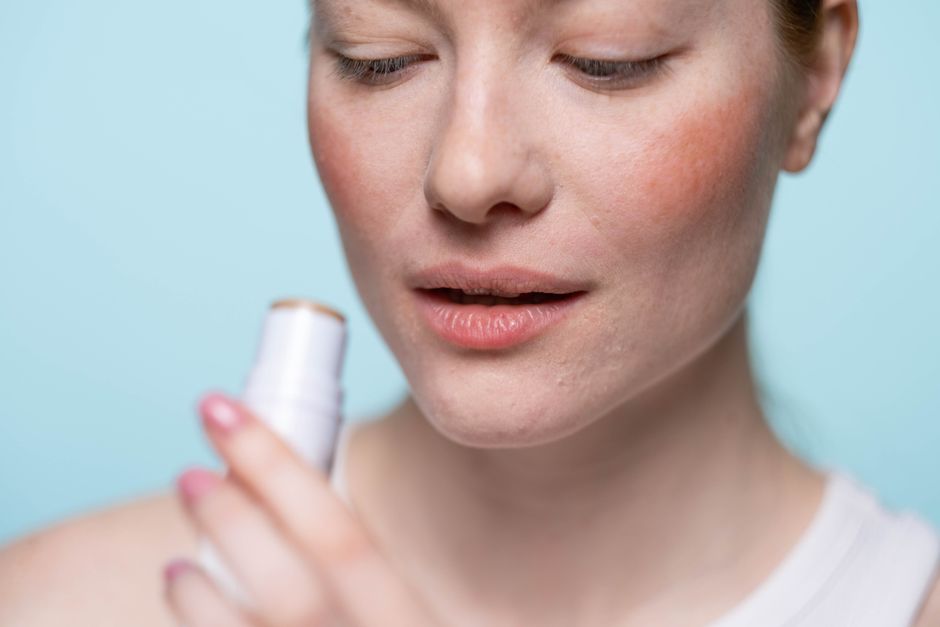
I’ve tested 14 SPF reapplication products over the past year—powders, sprays, sticks, cushions, and mists. Most are mediocre compromises between protection and wearability. The Abib Quick Sunstick Protection Bar SPF50+ is the exception. It’s a clear, lightweight gel stick that glides over makeup without dragging, doesn’t leave a white cast on any skin tone, and deposits enough product to actually hit SPF 50 with reasonable application. At $22, it’s not cheap for a sunscreen stick, but it’s the only one I’ve found that solves the core problem: getting real protection over makeup without destroying the makeup.
If you’re committed to a spray, the Habit N°41 Facial Sunscreen Mist SPF 40 is the best of a flawed category. Hold it 8 inches from your face, spray for 6 seconds per side, and let it dry down completely before touching anything. It’s not as protective as the Abib stick, but it’s the easiest method for full-face coverage when you’re in a hurry.
For powder loyalists, the Supergoop! (Re)setting Powder SPF 35 in Translucent is the category leader. Just understand that you’re getting supplemental protection, not primary coverage. Use it between proper reapplications, not instead of them.
Skip the expensive mists that promise SPF 50 in two spritzes. They’re lying, or they’re testing on bare skin under lab conditions that don’t translate to real-world makeup wear. Physics doesn’t bend for marketing claims.