Ever feel like every new foundation launch promises perfection, only to leave you with cakey patches, a disappearing act by lunchtime, or a shade that’s ‘almost’ right? You’re not alone. Finding the right foundation can feel like a quest, especially with so many formulas hitting the shelves in 2026. It’s not just about matching a color; it’s about understanding your skin, its needs, and what ingredients will truly work for you. This guide cuts through the noise, giving you the practical steps to pinpoint your perfect match for a flawless finish that lasts.
Decoding Your Skin’s True Needs: Oil, Dryness, and Tone
Before you even think about shades or finishes, you need to understand your own skin. This step is critical. Skipping it means you’re essentially guessing, which often leads to foundations that feel wrong or look off. Your skin type and undertone dictate the foundation formula you should target. Get this wrong, and even the most expensive foundation won’t perform as expected.
Identifying Your Skin Type
Your skin type isn’t just a label; it’s a blueprint for product selection. Here’s how to figure it out:
- Oily Skin: If your skin gets shiny across your forehead, nose, and chin (T-zone) within a few hours of washing, you likely have oily skin. Pores might appear larger, and you may be prone to breakouts. Foundations for oily skin need to be oil-free, mattifying, and long-wearing to control shine throughout the day.
- Dry Skin: Does your skin often feel tight, flaky, or rough, especially after cleansing? You have dry skin. Fine lines may be more noticeable, and your skin might lack a natural glow. Look for hydrating, dewy, or satin-finish foundations that contain moisturizing ingredients like hyaluronic acid or squalane.
- Combination Skin: This is a mix. Your T-zone might be oily, while your cheeks are normal or dry. This type needs a balanced approach – often a foundation that can adapt or requires specific priming in different areas. Many modern formulas are designed with combination skin in mind, offering a natural finish that isn’t too matte or too dewy.
- Normal Skin: You’re lucky. Your skin feels balanced, not too oily or too dry. Pores are generally small, and you rarely experience sensitivity or breakouts. You have the most flexibility with foundation types, able to choose based purely on your desired finish and coverage.
- Sensitive Skin: This isn’t a primary skin type but a condition that can accompany any of the above. If your skin reacts easily to products with redness, itching, or irritation, you need foundations formulated without common irritants like fragrance, alcohol, or certain dyes. Always patch test new foundations.
Understanding Undertones
This is where many people go wrong. Your undertone is the subtle hue beneath your skin’s surface, not your surface color. It remains consistent regardless of tan or pallor.
- Cool Undertones: Your skin has pink, red, or bluish tints. Your veins on your wrist appear blue or purple. Silver jewelry tends to look better on your skin.
- Warm Undertones: Your skin has golden, peachy, or yellow tints. Your veins appear green. Gold jewelry complements your skin more.
- Neutral Undertones: You have a mix of pink and yellow, or no obvious dominant tone. Your veins might look blue-green. Both gold and silver jewelry look good on you.
Matching your undertone prevents your foundation from looking too orange, too pink, or ashy. Most foundation brands clearly label shades with their undertone (e.g., ‘Warm Beige’, ‘Cool Ivory’).
Skin Concerns to Address
Beyond type and tone, consider specific concerns. Do you have redness, acne scarring, hyperpigmentation, or fine lines? Foundations offer varying levels of coverage (sheer, medium, full) and specific formulations to address these. For example, a color-correcting primer might be useful for redness before applying a medium-coverage foundation.
Foundation Finishes Explained: Matte, Satin, Dewy Choices

Once you know your skin type and undertone, selecting the right finish becomes straightforward. The finish dictates how the foundation looks and feels on your skin once it sets.
- Matte Finish: This finish absorbs oil and leaves your skin looking shine-free and velvety. It’s ideal for those with oily or combination skin who want to control shine and minimize the appearance of pores. Matte foundations often offer medium to full coverage and have excellent staying power. They set quickly, so work in sections.
- Satin Finish: Think of this as the “natural skin” finish. It’s neither overtly matte nor overly dewy, offering a soft, subtle glow that mimics healthy skin. Satin foundations are versatile and work well for normal, combination, and even slightly dry skin types. They provide a comfortable feel and usually medium, buildable coverage.
- Dewy Finish: These foundations give your skin a luminous, glowing, and often youthful appearance. They reflect light, making the skin look hydrated and plump. Dewy finishes are best suited for dry, normal, or mature skin, as they add moisture and can diminish the look of fine lines. Those with oily skin might find them too shiny, but a light application and strategic powdering can make them work.
- Natural Finish: This is a broad category, often overlapping with satin. A natural finish aims to enhance your skin without looking like you’re wearing a lot of makeup. It typically offers sheer to medium coverage, allowing your natural skin to show through. Great for all skin types that prefer a minimal makeup look.
- Semi-Matte Finish: A hybrid, sitting between true matte and satin. It provides oil control but isn’t completely flat, offering a slight dimension to the skin. This is an excellent choice for combination skin or those who want shine control without sacrificing all glow.
The finish you pick should align with your skin type and your desired aesthetic for the day. For example, a professional setting might call for a more satin or semi-matte look, while a weekend brunch could be perfect for a dewy glow.
The 2026 Foundation Must-Haves: Top Picks for Every Skin Concern
In 2026, foundation formulas continue to evolve, blending skincare benefits with flawless coverage. My top recommendation is to prioritize formulas that not only cover but also care for your skin. Here are the specific products I recommend, categorized by common skin concerns, along with their general price points.
Best for Oily Skin & Long-Wear: Estée Lauder Double Wear Stay-in-Place Foundation
For those battling shine and needing a foundation that truly lasts, the Estée Lauder Double Wear Stay-in-Place Foundation (around $48) remains the gold standard. It’s a non-negotiable for oily skin types due to its exceptional oil control and 24-hour wear. The matte finish helps keep unwanted shine at bay, and it’s transfer-resistant, making it perfect for long days. It comes in an expansive shade range, making color matching easier. Apply with a damp beauty sponge or a flat-top brush for the best coverage.
Best for Dry Skin & Hydrating Glow: Dior Forever Skin Glow Foundation
If your skin craves moisture and a luminous finish, the Dior Forever Skin Glow Foundation (approximately $55) is an excellent choice. It’s infused with hydrating ingredients like floral extracts, providing up to 24 hours of wear and continuous hydration. The finish is radiant, not greasy, making dry and normal skin look plump and healthy. It offers medium, buildable coverage that doesn’t settle into fine lines. Use your fingers or a dense brush for a seamless application that melts into the skin.
Best for Mature Skin & Light-Reflecting: NARS Light Reflecting Foundation
Mature skin benefits from foundations that offer coverage without caking, and the NARS Light Reflecting Foundation (around $52) excels here. It features advanced skincare ingredients that improve skin clarity over time, while its light-reflecting properties instantly blur imperfections and fine lines. The finish is natural-satin, providing a youthful radiance without emphasizing texture. It’s a weightless, breathable formula, perfect for creating a smooth, even complexion. Apply with a soft, synthetic brush for a delicate, diffused look.
Best for Everyday & Skincare Hybrid: Ilia Super Serum Skin Tint SPF 40
When you want lightweight coverage with significant skincare benefits, the Ilia Super Serum Skin Tint SPF 40 (approximately $48) is my top recommendation. This product combines foundation, serum, and mineral SPF 40 in one. It contains hyaluronic acids, niacinamide, and plant-based squalane to hydrate and improve skin texture. It offers light, dewy coverage, making it perfect for normal to dry skin types seeking a natural, “no-makeup makeup” look. Shake well before use and apply with your fingertips for the most natural finish.
Best for Full Coverage & Correction: IT Cosmetics CC+ Cream with SPF 50+
For those needing robust coverage that still looks like skin, the IT Cosmetics CC+ Cream with SPF 50+ (around $47) is a powerhouse. It’s a color-correcting full-coverage foundation, anti-aging serum, and physical sunscreen all in one. It works exceptionally well for camouflaging redness, acne scarring, and hyperpigmentation without feeling heavy. Available in multiple finishes (original, matte, illuminating), it caters to various preferences. Apply with a dense foundation brush to buff it into the skin for a smooth, airbrushed effect.
Mastering Application: Tools and Techniques for a Flawless Finish
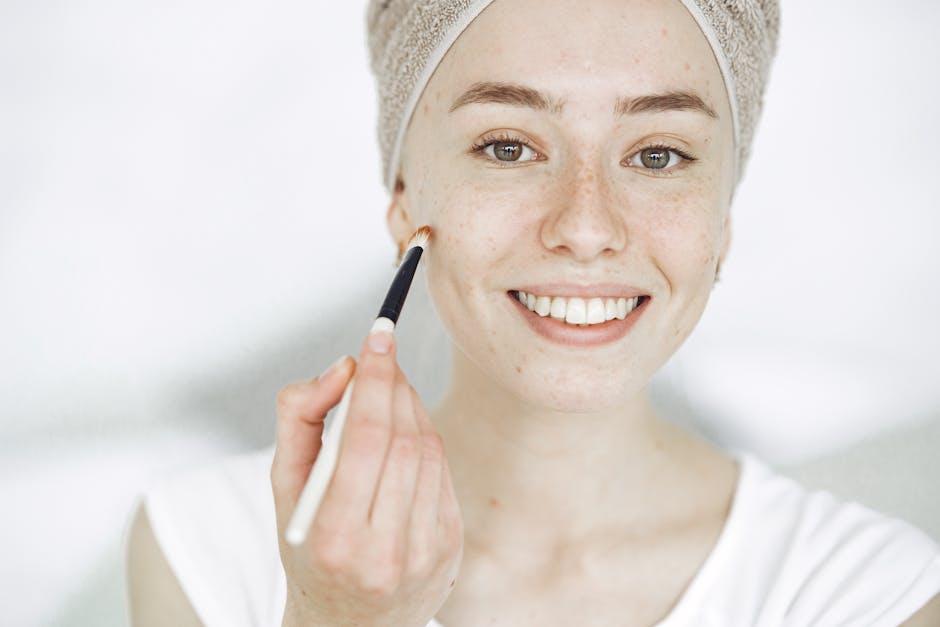
Even the best foundation can look subpar without the right application technique. Your tools and method play a huge role in how the product sits on your skin, its longevity, and its overall finish. It’s not just about slapping it on; it’s about strategic placement and blending.
What’s the best tool for sheer coverage?
For a sheer, natural finish, your fingertips are often the best tool. The warmth from your fingers helps the product melt into the skin, providing a seamless, skin-like finish. Use light, patting motions, especially when working with skin tints or lightweight liquid foundations. For slightly more coverage without losing sheerness, a damp beauty sponge like the original Beautyblender ($20) works well, pressing the product into the skin rather than rubbing.
How do I prevent caking?
Caking usually happens for two reasons: too much product, or improper skin prep. To prevent this, always start with a very small amount of foundation. It’s easier to build coverage than to take it away. Apply foundation in thin layers, focusing on areas that need the most coverage first. Blend outward. Ensure your skin is well-moisturized and primed. For foundations that tend to cling to dry patches, exfoliate gently once or twice a week. Also, consider using a foundation with a more hydrating, less matte finish if caking is a consistent problem for you, especially if you have dry skin.
Should I use primer?
Yes, a good primer can significantly improve your foundation’s performance. Primer creates a smooth canvas, helps foundation adhere better, and can address specific concerns like oil control, pore blurring, or hydration. For oily skin, use a mattifying primer such as Milk Makeup Pore Eclipse Mattifying Primer ($38) in your T-zone. For dry skin, a hydrating primer like e.l.f. Cosmetics Power Grip Primer + 4% Niacinamide ($10) makes a huge difference. Apply a thin layer after your moisturizer and before your foundation, allowing it to set for a minute or two.
2026 Foundation Formulas: Ingredients to Look For vs. Avoid
The shift towards skincare-infused makeup is stronger than ever in 2026. Foundations are no longer just about color; they’re designed to actively benefit your skin. Understanding key ingredients helps you pick a formula that supports your skin’s health, rather than just covering it up. Here’s a quick guide to what to seek out and what to be cautious of:
| Ingredient Category | Look For (Beneficial) | Consider Avoiding (Potential Issues) |
|---|---|---|
| Hydrators | Hyaluronic Acid, Glycerin, Squalane, Ceramides | Heavy, occlusive oils if you have oily/acne-prone skin |
| Skin Soothers | Niacinamide, Centella Asiatica (Cica), Allantoin | High concentrations of essential oils (can be sensitizing) |
| Antioxidants | Vitamin C (Ascorbic Acid), Vitamin E (Tocopherol), Green Tea Extract | Synthetic fragrances (common irritant for sensitive skin) |
| SPF Protection | Zinc Oxide, Titanium Dioxide (Mineral SPF) | Oxybenzone, Octinoxate (Chemical SPF, often irritating) |
| Texture Refiners | Salicylic Acid (low concentrations for acne-prone) | Denatured alcohol (can be drying and irritating over time) |
Focus on foundations that boast ingredients like hyaluronic acid for hydration, niacinamide for brightening and barrier support, and mineral SPF (zinc oxide, titanium dioxide) for sun protection. These multi-tasking formulas deliver actual skincare benefits while providing coverage. Conversely, if you have sensitive skin, be wary of foundations high in fragrance, certain essential oils, or denatured alcohol, as these can cause irritation and dryness. Always check the ingredient list, especially if you have specific skin sensitivities or concerns.
Long-Wear Foundations: Performance and Price Snapshot

When it comes to long-wear foundations, performance is . These formulas are engineered to withstand humidity, sweat, and long hours without creasing or fading. Expect prices to range from mid-tier to high-end, typically between $35 and $60, reflecting their advanced technology and staying power. For truly reliable, all-day coverage that won’t budge, investing in a formula from brands like Estée Lauder or Fenty Beauty is always the most practical choice.