
Finding the right sunscreen can feel overwhelming. With countless brands and formulations, knowing what genuinely protects your skin without causing breakouts or leaving a white cast is a challenge. This guide simplifies the process, helping you pinpoint the best sunscreen company for your specific needs, ensuring your skin stays healthy and shielded from sun damage.
Decoding Sunscreen Labels: What SPF and PA Really Mean
Understanding sunscreen labels is critical. SPF and PA ratings aren’t just arbitrary numbers and letters; they tell you exactly how well a product protects your skin from different types of UV radiation. Getting this wrong means inadequate protection, leading to sunburns, premature aging, and increased skin cancer risk. You need to know what each factor signifies to make an informed choice.
Understanding SPF Numbers
SPF stands for Sun Protection Factor. It primarily measures how well a sunscreen protects against UVB rays, which are the main cause of sunburn and contribute to skin cancer. The number indicates how much longer your skin can be exposed to the sun without burning, compared to unprotected skin. For example, SPF 30 means it would theoretically take you 30 times longer to burn than if you had no sunscreen on. This isn’t a linear scale of protection, however. SPF 15 blocks about 93% of UVB rays, SPF 30 blocks about 97%, and SPF 50 blocks about 98%. Going higher than SPF 50 offers only marginal additional protection, often at a higher cost and sometimes with a heavier feel.
The American Academy of Dermatology recommends using an SPF of 30 or higher. For prolonged outdoor activity, especially during peak sun hours (10 AM to 4 PM), choosing SPF 50+ is a smart move. Remember, SPF only accounts for UVB. Many people mistakenly believe a high SPF means they can stay out in the sun all day without reapplying or worrying about other types of damage. This is a crucial misconception. A high SPF protects against burning, but not necessarily against all forms of sun damage. Always reapply every two hours, or immediately after swimming or excessive sweating.
Navigating PA Ratings and Broad Spectrum
While SPF handles UVB, PA ratings address UVA rays. UVA rays are responsible for premature skin aging, wrinkles, dark spots, and also contribute to skin cancer. Unlike UVB, UVA rays don’t cause sunburn, so their damage can be more insidious, accumulating over time without immediate visible signs. PA ratings originated in Japan and are widely used in Asian and European sunscreens, though less common on American labels.
The PA system uses plus signs to indicate the level of UVA protection:
- PA+: Low UVA protection
- PA++: Moderate UVA protection
- PA+++: High UVA protection
- PA++++: Extremely high UVA protection
For daily wear, especially if you’re concerned about aging, look for PA+++ or PA++++. In the United States, instead of PA ratings, you’ll often see “Broad Spectrum” on the label. This designation means the sunscreen protects against both UVA and UVB rays. However, it doesn’t specify how much UVA protection it provides, which is why many still prefer products with clear PA ratings. To ensure comprehensive protection, always choose a sunscreen labeled “Broad Spectrum” with an SPF of 30 or higher. Without both UVB and UVA protection, your skin remains vulnerable to significant damage, regardless of how high the SPF number is.
Mineral vs. Chemical: Which Formula Suits Your Skin?

Choosing between mineral and chemical sunscreens is a key decision. Each type uses different active ingredients to protect your skin, and understanding these differences helps you pick the most suitable formula for your lifestyle and skin sensitivities. Many people react poorly to one type but thrive with the other.
Zinc Oxide and Titanium Dioxide: The Mineral Approach
Mineral sunscreens, often called physical blockers, use naturally occurring minerals—zinc oxide and titanium dioxide—to create a physical barrier on the skin’s surface. These minerals sit on top of your skin and reflect or scatter UV rays away. Think of them as tiny mirrors. They start working immediately upon application and are generally considered gentler, making them ideal for sensitive skin, children, and those with conditions like rosacea or eczema.
The main drawbacks historically included a noticeable white cast, especially on deeper skin tones, and a thicker texture. However, modern formulations have significantly improved, with micronized and non-nano zinc oxide and titanium dioxide blending more seamlessly. Brands like Isntree and EltaMD have made strides in creating elegant mineral formulas that are less likely to leave a ghostly residue. They are photostable, meaning they don’t degrade in sunlight, offering consistent protection.
Organic Filters: The Chemical Approach
Chemical sunscreens absorb UV radiation and convert it into heat, which is then released from the skin. Common active ingredients include oxybenzone, avobenzone, octinoxate, and octisalate. Newer filters, often found in European and Asian sunscreens, like Tinosorb S, Tinosorb M, Uvinul A Plus, and Mexoryl SX/XL, offer superior broad-spectrum protection and better photostability.
The primary advantages of chemical sunscreens are their lighter texture, easier spreadability, and invisible finish, making them popular for daily wear and under makeup. They don’t leave a white cast. However, some individuals with very sensitive skin can experience irritation or allergic reactions to certain chemical filters. There have also been environmental concerns regarding ingredients like oxybenzone and octinoxate affecting coral reefs, leading to bans in some regions. When choosing a chemical sunscreen, look for products free of these specific controversial ingredients if environmental impact is a concern for you. Many brands are moving towards reef-safe formulations.
| Feature | Mineral Sunscreens | Chemical Sunscreens |
|---|---|---|
| Active Ingredients | Zinc Oxide, Titanium Dioxide | Oxybenzone, Avobenzone, Octinoxate, Octisalate (older); Tinosorb, Uvinul, Mexoryl (newer) |
| Mechanism | Reflect/scatter UV rays | Absorb UV rays, convert to heat |
| Onset of Action | Immediate upon application | Needs 15-20 minutes to absorb |
| Skin Sensitivity | Generally gentler, good for sensitive skin | Can cause irritation for some sensitive types |
| Cosmetic Finish | Can leave white cast (improving), thicker | Invisible, lighter texture, easier to spread |
| Environmental Impact | Generally considered reef-safe | Some older filters (oxybenzone, octinoxate) linked to coral damage |
| Best For | Sensitive skin, children, immediate protection | Daily wear, under makeup, active lifestyles (less visible) |
For most people, a good rule is to try both types to see what feels best and provides adequate protection without irritation.
Common Sunscreen Mistakes to Avoid Daily
Even the best sunscreen won’t protect you if applied incorrectly. Many people make simple errors that significantly reduce the product’s effectiveness, leaving their skin vulnerable. Correcting these habits is easy and ensures you get the full benefit of your SPF.
-
Not Applying Enough
This is perhaps the most common mistake. Most adults need about two finger-lengths of sunscreen for their face and neck. For the entire body, you’re looking at about a shot glass full (around 2 tablespoons). If you’re using less, you’re not getting the SPF stated on the bottle. A thin layer provides minimal defense. Think generous application. You want a visible film when you first put it on, which will then absorb or blend in. Don’t skimp, especially on areas prone to sun exposure like the nose, forehead, and ears.
-
Skipping Reapplication
Sunscreen isn’t a “set it and forget it” product. Its effectiveness degrades over time due to sweat, water, rubbing, and simply breaking down under UV exposure. You need to reapply sunscreen every two hours when outdoors, or more frequently if swimming, sweating heavily, or towel drying. This applies even if your sunscreen is labeled “water-resistant.” Water-resistant labels mean it maintains its SPF for a specific duration (40 or 80 minutes) during water exposure, not indefinitely. Set a timer on your phone if you struggle to remember.
-
Ignoring Specific Body Areas
People often forget areas like the tops of their ears, the back of the neck, the scalp (especially if hair is thinning or parted), the décolletage, and the tops of the feet. These spots are highly susceptible to sun damage and often overlooked. Invest in a dedicated sunscreen stick or spray for hard-to-reach areas or quick touch-ups on the scalp. Your lips also need protection; use a lip balm with SPF 30 or higher. Neglecting these areas is like leaving a gap in your armor.
-
Not Checking Expiration Dates
Sunscreen active ingredients can degrade over time, losing their efficacy. Always check the expiration date on the packaging. Most sunscreens are formulated to remain stable for about three years. If there’s no date, or if the product has changed in color, consistency, or smell, it’s safer to discard it. Using expired sunscreen gives a false sense of security, leaving your skin unprotected. Keep sunscreens stored in a cool, dry place away from direct sunlight to preserve their stability.
Top Sunscreen Companies for Sensitive & Acne-Prone Skin
For those with sensitive or acne-prone skin, finding a sunscreen that protects without irritation or breakouts is critical. Many formulas feel heavy, clog pores, or trigger redness. My top picks focus on gentle, effective protection designed specifically for these concerns.
I firmly recommend looking into brands that prioritize non-comedogenic and hypoallergenic formulations, often leaning towards mineral options or carefully formulated chemical sunscreens with newer, less irritating filters. These companies understand the delicate balance needed for reactive skin.
Isntree: The Hyaluronic Acid Option
For those with sensitive and dehydration-prone skin, the Isntree Hyaluronic Acid Watery Sun Gel SPF50+ PA++++ is an exceptional choice. This Korean brand has gained significant popularity for its lightweight, hydrating formula that feels more like a moisturizer than a traditional sunscreen. It uses chemical filters (Uvinul A Plus, Tinosorb M, Tinosorb S) which are generally well-tolerated and provide excellent broad-spectrum protection without a white cast. The addition of eight types of hyaluronic acid ensures skin stays plump and moisturized. It costs around $20 for 50ml. This formula is particularly good for normal to dry skin types that are also sensitive. It spreads easily, absorbs quickly, and layers beautifully under makeup.
La Roche-Posay: Dermatologist Favorite
La Roche-Posay is a French pharmaceutical brand highly recommended by dermatologists for its rigorous testing and focus on sensitive skin. Their Anthelios Melt-in Milk Sunscreen SPF 60 (approx. $25 for 5 fl. oz.) and Anthelios Mineral Tinted Sunscreen SPF 50 (approx. $38 for 1.7 fl. oz.) are standout products. The Melt-in Milk is a broad-spectrum chemical formula that is water-resistant for 80 minutes, non-comedogenic, and fragrance-free. It has a silky texture that absorbs quickly. For those who prefer mineral and want a slight tint to even out skin tone, the Mineral Tinted option uses zinc oxide and titanium dioxide and is also non-comedogenic and suitable for sensitive skin. La Roche-Posay products undergo extensive clinical testing, making them a trusted choice for reactive skin types.
EltaMD: Post-Procedure & Acne-Safe
EltaMD is another brand frequently endorsed by dermatologists, especially for post-procedure skin and those battling acne or rosacea. Their EltaMD UV Clear Broad-Spectrum SPF 46 (approx. $43 for 1.7 oz.) is a mineral-based sunscreen that uses 9% zinc oxide. What makes it unique is the inclusion of niacinamide (vitamin B3), which helps calm inflammation and reduce redness, making it perfect for acne-prone and sensitive skin. It’s oil-free, fragrance-free, paraben-free, and non-comedogenic. It provides excellent sun protection without feeling heavy or greasy, and it rarely causes breakouts. The formula is lightweight, absorbs well, and leaves no white cast, even with its high zinc oxide content. For truly compromised or very sensitive skin, EltaMD is often the first recommendation.
Best Value Sunscreens for Everyday Protection
Finding effective sunscreen doesn’t require breaking the bank. There are excellent, budget-friendly options that deliver reliable broad-spectrum protection for daily use. Focus on products that offer a good volume-to-price ratio and maintain quality ingredients.
Budget-Friendly Daily Wear
For consistent daily protection without a hefty price tag, look for well-established brands that offer larger sizes or frequently go on sale. The key is finding a formula you’ll actually use consistently because it’s comfortable and affordable. You don’t want to skip application because your sunscreen is too expensive to use generously. Many Korean and Japanese brands excel in this category, offering sophisticated formulations at accessible price points. American drugstore brands have also significantly improved their offerings.
Value in Larger Sizes
When considering value, think about the cost per ounce or per milliliter. A larger bottle, even if it has a higher upfront cost, often provides better long-term savings. For instance, a 50ml bottle for $20 might seem cheaper than a 200ml bottle for $40, but the larger bottle is twice the volume for twice the price, making them equivalent in cost per ml. If you use sunscreen daily on your face and body, buying in bulk makes financial sense.
| Product Name | Brand | Type | SPF/PA | Approx. Price (2026) | Volume | Notes on Value |
|---|---|---|---|---|---|---|
| Relief Sun: Rice + Probiotics | Beauty of Joseon | Chemical | SPF50+ PA++++ | $18 | 50 ml | Elegant, moisturizing, no white cast. High quality for the price. |
| Aloe Soothing Sun Cream | COSRX | Chemical | SPF50+ PA+++ | $15 | 50 ml | Hydrating, gentle aloe formula. Excellent for everyday comfort. |
| Daily SPF 30 Sunscreen | Kroger (Store Brand) | Chemical | SPF 30 | $8 | 8 fl. oz. (236 ml) | Super affordable for body/face. Basic but effective. |
| Sunscreen Face Lotion SPF 40 | Trader Joe’s | Chemical | SPF 40 | $9 | 1.7 fl. oz. (50 ml) | “Dupe” for Supergoop! Unseen Sunscreen. Great texture for the price. |
| Anthelios Melt-in Milk Sunscreen | La Roche-Posay | Chemical | SPF 60 | $25 | 5 fl. oz. (148 ml) | Dermatologist recommended, often available in larger value packs. |
For those seeking the best blend of quality and cost, the Beauty of Joseon Relief Sun is hard to beat for face use. Its sophisticated formula rivals much more expensive options. For an all-over body and face option with excellent value, the La Roche-Posay Anthelios Melt-in Milk is a strong contender, especially if you can find it in a twin pack. The store brands like Kroger and Trader Joe’s are fantastic for basic, no-frills protection when cost is the absolute top priority.
The Verdict: Your Ideal Sunscreen Routine
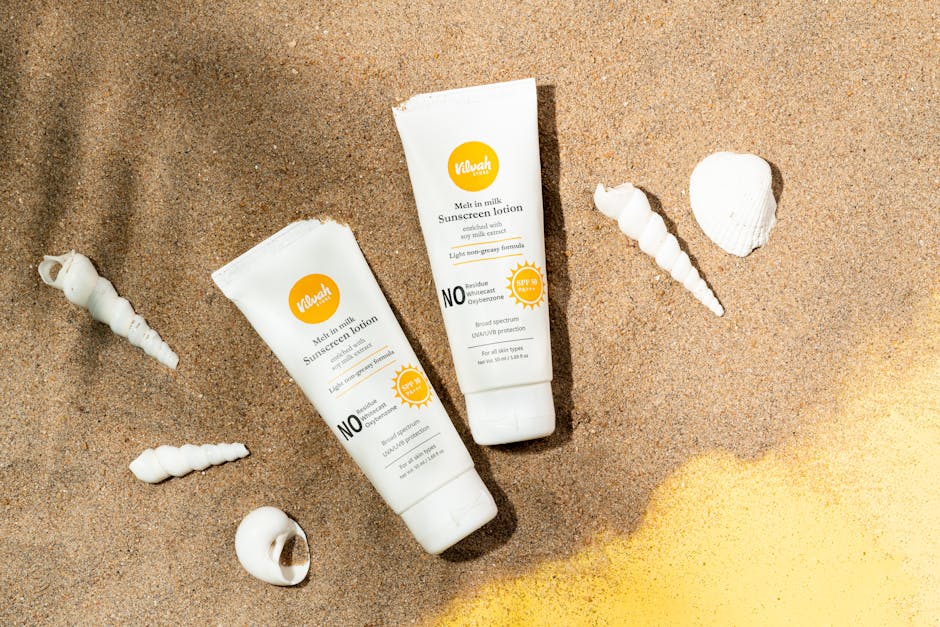
Ultimately, the “best” sunscreen company is the one whose products you consistently use because they fit your skin, lifestyle, and budget. Whether you choose a mineral option for sensitivity or a chemical one for an invisible finish, daily, generous reapplication is non-negotiable. Commit to finding that perfect SPF partner, and your skin will thank you.