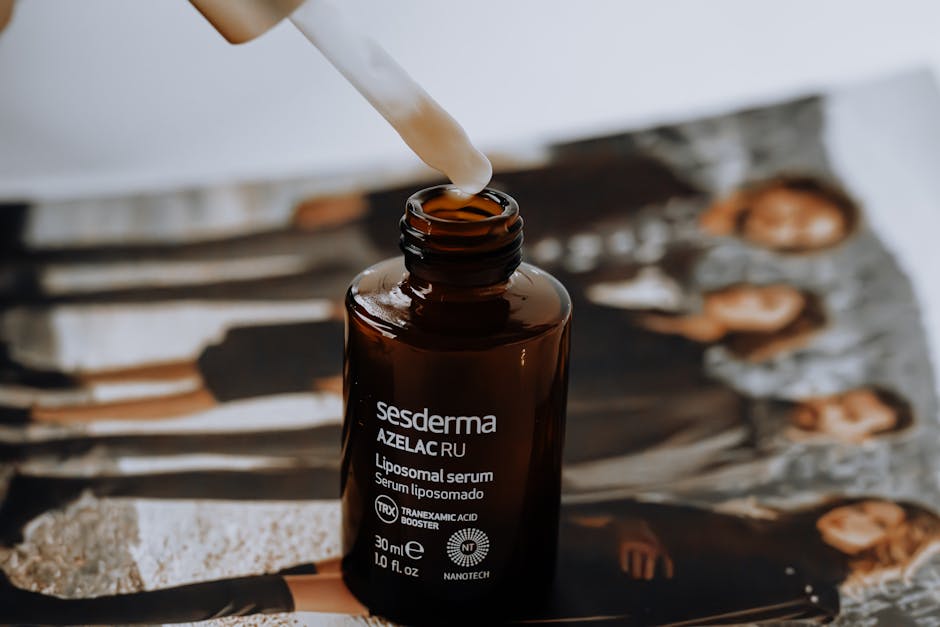
Many people assume that caring for aging skin means piling on the most expensive, potent creams marketed with grand claims. This isn’t just wrong; it’s often counterproductive. The biggest mistake isn’t using too little, but rather using too much, too often, or the wrong combinations. More products don’t necessarily mean better results. Sometimes, they lead to irritation, compromised skin barriers, and an empty wallet. Effective skincare for mature skin relies on a focused approach: understanding what your skin truly needs, using proven ingredients, and maintaining consistency.
The Biggest Mistake in Aging Skincare (It’s Not What You Think)
The common misconception about aging skin care is that you need to attack every visible sign with aggressive treatments. People often layer multiple strong actives, exfoliate daily, and constantly try new “miracle” products. This over-enthusiastic approach usually backfires. Mature skin tends to be thinner, drier, and more sensitive than younger skin. It has a reduced capacity to repair itself from irritation. Bombarding it with too many harsh ingredients, especially without proper guidance, can lead to redness, flaking, increased sensitivity, and even the very issues you’re trying to solve.
Why More Isn’t Always Better
Think of your skin barrier as a protective shield. Over-exfoliation, using high concentrations of multiple active ingredients simultaneously (like Vitamin C and strong retinoids every single night), or skipping essential hydration steps can damage this barrier. When compromised, your skin loses moisture more easily and becomes more vulnerable to environmental aggressors. This isn’t just uncomfortable; it can accelerate signs of aging, making fine lines more prominent and skin texture rougher. Your skin needs time to adapt to new ingredients, especially powerful ones. Introducing too many at once makes it impossible to tell what’s working and what’s causing problems.
The Hidden Dangers of Over-Treatment
Beyond physical irritation, over-treating can create a cycle of dependency. You might use harsh products, then need heavier moisturizers to compensate for the dryness, then more exfoliants to deal with flakiness caused by the dryness. It’s a treadmill. Moreover, many anti-aging ingredients, while effective, require specific pH environments or can degrade when mixed. Simply layering them on without understanding their chemistry can render them ineffective or even create irritating byproducts. A thoughtful, less-is-more approach that prioritizes barrier health and introduces actives slowly will always yield better long-term results.
Your Daily Skincare Blueprint: A Step-by-Step Guide

A consistent, gentle, and effective routine is key for aging skin. It doesn’t need to be complex, but each step serves a purpose. Here’s a streamlined blueprint that balances treatment with protection and hydration.
-
Morning Essentials
- Cleanse Gently: Start with a mild, hydrating cleanser. Avoid harsh foaming cleansers that strip natural oils. The goal is to remove overnight accumulation without drying your skin. Brands like CeraVe Hydrating Facial Cleanser (around $15) or La Roche-Posay Toleriane Hydrating Gentle Cleanser (around $16) are excellent choices. Rinse with lukewarm water.
- Antioxidant Serum: Apply a Vitamin C serum. This brightens skin, protects against environmental damage, and boosts collagen. Look for L-Ascorbic Acid in concentrations of 10-20%. Paula’s Choice C15 Super Booster (around $55) or Timeless 20% Vitamin C + E Ferulic Acid Serum (around $25) are popular, effective options.
- Moisturize: Follow with a moisturizer to lock in hydration and support the skin barrier. Choose one rich in ceramides, hyaluronic acid, or glycerin. Olay Regenerist Micro-Sculpting Cream (around $25) or CeraVe Moisturizing Cream (around $17) are consistently reliable for mature skin types.
- Sun Protection: This is non-negotiable. Apply a broad-spectrum SPF 30 or higher. We’ll dive deeper into SPF later, but a good daily option is the EltaMD UV Clear Broad-Spectrum SPF 46 (around $40) or Beauty of Joseon Relief Sun SPF50+ PA++++ (around $18).
-
Evening Rituals
- Double Cleanse: If you wear makeup or heavy SPF, start with an oil-based cleanser or balm to break down products effectively, then follow with your gentle water-based cleanser. The Kose Softymo Speedy Cleansing Oil (around $10) is a budget-friendly and effective first step.
- Treatment Serum: This is where your heavy-hitting active ingredients come in. Retinoids are the gold standard for anti-aging. Start with a low concentration (0.2-0.5%) a few times a week and gradually increase as tolerated. The Ordinary Granactive Retinoid 2% Emulsion (around $12) or Paula’s Choice Clinical 0.3% Retinol + 2% Bakuchiol Treatment (around $60) are good starting points. Alternatively, if retinoids are too much, a peptide serum like The Ordinary “Buffet” + Copper Peptides 1% (around $30) can offer firming benefits.
- Hydrate and Repair: Apply a rich, nourishing moisturizer. Ingredients like ceramides, fatty acids, and cholesterol help repair the skin barrier overnight. Look for products like Skinfix Barrier+ Triple Lipid-Peptide Cream (around $54) or Vanicream Moisturizing Cream (around $15). If your skin feels particularly dry, you can layer a hydrating serum (like a hyaluronic acid serum) before your moisturizer.
Active Ingredients for Aging Skin: A Breakdown
Not all ingredients are created equal, and some are simply more effective for addressing the specific concerns of aging skin. Understanding the heavy hitters helps you choose products wisely.
| Ingredient Category | Primary Benefit for Aging Skin | Considerations & Trade-offs |
|---|---|---|
| Retinoids (Retinol, Tretinoin) | Boosts collagen production, reduces fine lines/wrinkles, improves texture, fades hyperpigmentation. | Can cause irritation, redness, dryness initially. Requires gradual introduction. Increases sun sensitivity (use only at night, always with SPF). Not for use during pregnancy. |
| Vitamin C (L-Ascorbic Acid) | Potent antioxidant, brightens skin, evens tone, stimulates collagen synthesis, protects against free radical damage. | Can oxidize quickly (look for opaque packaging). May cause mild stinging. Best used in the morning for antioxidant protection. |
| Hyaluronic Acid | Attracts and retains moisture, plumps skin, reduces appearance of fine lines by hydrating. | Purely hydrating, not a direct collagen stimulator. Can feel tacky. Works best in humid environments or when sealed with moisturizer. |
| Peptides | Signal skin to produce more collagen, elastin, or other proteins. Can improve firmness and elasticity. | Less potent than retinoids for deep wrinkles, but very well-tolerated. Results can be subtle and take time. Expensive in high concentrations. |
| Niacinamide (Vitamin B3) | Reduces inflammation, improves skin barrier function, minimizes pore appearance, evens skin tone. | Generally well-tolerated. Can be used morning or night. Not a primary anti-aging ingredient but excellent for overall skin health. |
Retinoids: The Gold Standard
If there’s one ingredient to prioritize for comprehensive anti-aging, it’s a retinoid. These Vitamin A derivatives work by encouraging skin cell turnover and stimulating collagen production. This process helps reduce the appearance of fine lines and wrinkles, improves skin texture, and minimizes hyperpigmentation. Prescription-strength Tretinoin is the most powerful, but over-the-counter retinols and retinoids (like Granactive Retinoid or Retinaldehyde) are highly effective when used consistently. Start slowly, perhaps twice a week, then increase frequency as your skin tolerates it. Always apply at night and use a broad-spectrum SPF every morning.
Vitamin C: Your Brightening Ally
Vitamin C, specifically L-Ascorbic Acid, is a powerhouse antioxidant. It defends skin from free radical damage caused by UV exposure and pollution, which contribute significantly to premature aging. Beyond protection, it brightens the complexion, fades dark spots, and plays a role in collagen synthesis. Using a stable Vitamin C serum in the morning under your SPF provides an extra layer of defense. Look for concentrations between 10-20% for optimal efficacy. Store it away from light and air to prevent oxidation.
Hyaluronic Acid & Peptides: Hydration & Support
While retinoids and Vitamin C focus on deeper cellular changes, hyaluronic acid and peptides provide crucial support. Hyaluronic Acid is a humectant, meaning it draws moisture into the skin. This immediate plumping effect can visibly soften fine lines and make skin feel supple. It’s excellent for all skin types, especially mature skin prone to dryness. Peptides are short chains of amino acids that act as messengers, signaling your skin to perform specific functions, like producing more collagen or elastin. They are a gentler alternative or complement to retinoids, helping to improve firmness and elasticity over time without the irritation risk.
Specialized Treatments: When to Add Serums and Eye Creams
You don’t need a dozen different serums, but strategically adding one or two specialized treatments can significantly boost your routine. The key is to address your most pressing concerns without overloading your skin. Eye creams, for instance, are often debated. My take? They aren’t always a separate necessity if your facial moisturizer is well-formulated and gentle enough for the eye area, but they can offer targeted benefits for specific concerns.
Choosing the Right Serum for Your Concerns
Serums are concentrated treatments designed to deliver high doses of active ingredients. After your core cleanser and before moisturizer, they penetrate deeply. Here’s a breakdown:
- For fine lines and firmness: Beyond retinoids, look for peptide-rich serums. The Ordinary “Buffet” + Copper Peptides 1% (around $30) combines multiple peptide types for a comprehensive approach. Alternatively, serums with growth factors can also support skin repair and rejuvenation.
- For dark spots and uneven tone: A Vitamin C serum (as mentioned earlier) is excellent. Niacinamide serums, like Paula’s Choice 10% Niacinamide Booster (around $44), are also fantastic for improving overall tone, reducing redness, and minimizing pore appearance.
- For intense hydration: If your skin still feels dry even with a good moisturizer, a dedicated hyaluronic acid serum can make a big difference. The Inkey List Hyaluronic Acid Serum (around $8) is a popular, affordable option that layers well.
Remember, introduce one new serum at a time and observe your skin’s reaction for a few weeks before adding another.
Do You Really Need an Eye Cream?
The skin around your eyes is thinner and more delicate, making it prone to dryness, fine lines, and puffiness. While a good facial moisturizer can certainly be used around the eyes, dedicated eye creams often contain specific ingredients or concentrations tailored for this area. For instance, some eye creams are formulated with caffeine to reduce puffiness, or ceramides to strengthen the delicate skin barrier. If your primary concern is fine lines, an eye cream with a gentle retinoid, like RoC Retinol Correxion Eye Cream (around $20), can be effective. If dryness and dark circles are your main issues, a hydrating, antioxidant-rich formula like Kiehl’s Creamy Eye Treatment with Avocado (around $36) might be beneficial. If your facial moisturizer is already doing the trick, don’t feel pressured to add an extra step. However, for targeted results, a specific eye cream can be a valuable addition.
Sun Protection: The Non-Negotiable Step (and How to Choose)
Regardless of your age or skin type, daily sun protection is the single most important thing you can do for your skin. For aging skin, it’s even more critical. UV radiation is the primary external factor contributing to premature aging, causing everything from fine lines and wrinkles to dark spots and a loss of elasticity. No amount of expensive serums or treatments can undo the damage caused by unprotected sun exposure. Think of SPF as the ultimate preventative measure, protecting your investment in all those other skincare steps.
Understanding SPF Numbers and PA Ratings
When choosing a sunscreen, you’ll encounter SPF numbers and sometimes PA ratings. SPF (Sun Protection Factor) primarily measures protection against UVB rays, which are responsible for sunburn. An SPF 30 blocks about 97% of UVB rays, while SPF 50 blocks about 98%. The difference isn’t as dramatic as you might think between 30 and 50, but consistent application is far more important than chasing the highest number. For daily use, SPF 30 is generally sufficient, though SPF 50 offers a slightly larger buffer.
PA ratings (PA+, PA++, PA+++, PA++++), common on Asian sunscreens, indicate protection against UVA rays. UVA rays penetrate deeper into the skin and contribute significantly to premature aging, including wrinkles and dark spots, even without causing a sunburn. Look for “broad-spectrum” on Western sunscreens, which signifies both UVA and UVB protection. The more plus signs in a PA rating, the higher the UVA protection.
Physical vs. Chemical Filters for Mature Skin
Sunscreens contain either physical (mineral) or chemical filters, or a combination of both.
-
Physical (Mineral) Sunscreens: These use zinc oxide and/or titanium dioxide. They sit on top of the skin and physically block UV rays by reflecting them. Mineral sunscreens are generally well-tolerated by sensitive skin, making them an excellent choice for mature skin which can be more prone to irritation. Modern formulations have largely overcome the past issue of leaving a white cast. They offer immediate protection upon application.
-
Chemical Sunscreens: These use organic compounds (like oxybenzone, avobenzone, octinoxate, octisalate) that absorb UV radiation and convert it into heat, which is then released from the skin. Chemical sunscreens often have a lighter texture and blend seamlessly, which some people prefer. However, certain chemical filters can sometimes cause irritation for very sensitive skin types. They need about 15-20 minutes to become effective after application.
For aging skin, choosing a sunscreen that you’ll consistently use every single day, rain or shine, is the most crucial factor. Whether it’s a mineral or chemical formula, ensure it’s broad-spectrum, at least SPF 30, and feels comfortable on your skin.