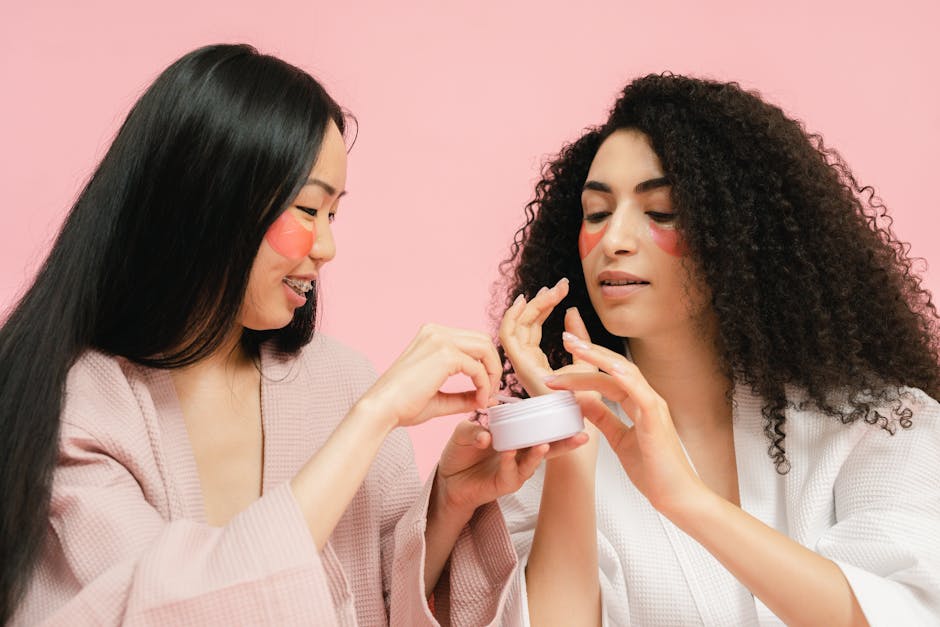
Your skin’s cell regeneration rate doubles between 11 PM and 4 AM. If you are hitting the pillow with a dirty face or skipping your serums, you are essentially throwing away the most productive hours your skin has for repair. Most people treat their evening regimen as a chore. It is not. It is a biological window of opportunity. During the day, your skin is in defense mode, fighting UV rays and pollution. At night, it switches to recovery mode. If you don’t provide the right tools during this shift, you’re aging faster than you need to.
Why your skin needs a dedicated nighttime recovery plan
During the day, your skin is under constant assault. Think of it as a shield. But even the best shields get dented. By the time the sun goes down, your moisture barrier is often compromised, and your pores are filled with a cocktail of sebum, environmental pollutants, and makeup. Nighttime is when the skin focuses on synthesis. Specifically, it increases the production of collagen and helps repair DNA damage caused by UV exposure. This isn’t just marketing fluff; it’s basic dermatology.
Transepidermal water loss (TEWL) also increases significantly while you sleep. This means your skin loses hydration faster at night than it does during the day. If you wake up with tight, dry skin, your current routine is failing to address this metabolic shift. You need products that don’t just sit on top of the skin but actually reinforce the barrier to lock that moisture in. Furthermore, blood flow to the skin increases in the evening, which means topical ingredients are absorbed more efficiently. This is why you save your heavy hitters—like retinoids and exfoliating acids—for the p.m. hours.
Retailers like Boots and Sephora, which you can find through major retail networks, have seen a massive surge in night-specific treatments for a reason. Consumers are finally realizing that a morning moisturizer with SPF isn’t enough to handle the heavy lifting of cellular repair. You need a strategy. You need a sequence that respects your skin’s natural rhythm rather than fighting against it. If you’re still using the same single cream for both morning and night, you’re doing it wrong.
The impact of the circadian rhythm on skin health
Every cell in your body follows a 24-hour clock. In the skin, this clock regulates everything from oil production to pH levels. Around 8 PM, your skin’s permeability begins to increase. This makes it the perfect time to apply high-concentration actives. However, this increased permeability also makes the skin more prone to irritation. This is why choosing the right formula is just as important as choosing the right ingredient. You want high efficacy with low irritation potential.
The definitive order for applying evening skincare products
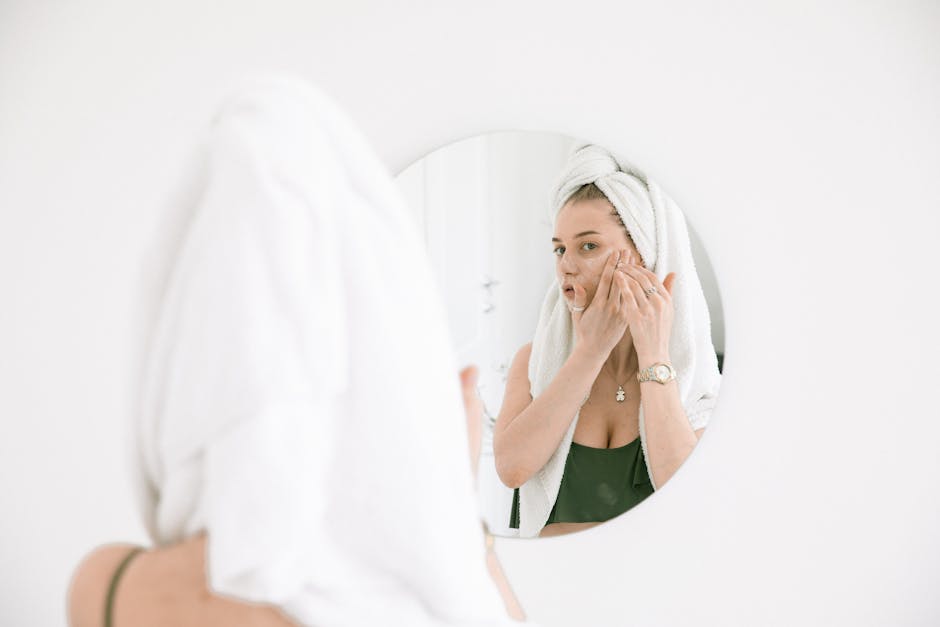
Order matters. If you apply a heavy oil and then try to put a water-based serum on top, that serum is going straight into the trash—or at least, it’s not going into your skin. The general rule is to apply products from thinnest to thickest consistency. But it’s more nuanced than that. You have to consider pH levels and the solubility of the ingredients you’re using.
- Double Cleanse: Start with an oil-based cleanser or balm to break down SPF and makeup. Follow up with a water-based gel or foam cleanser to remove sweat and dirt.
- Toner or Essence: Use this to balance your skin’s pH and provide an initial layer of hydration. Avoid toners with high alcohol content; they strip the skin.
- Treatment Serums: This is where your actives go. Retinol, peptides, or Vitamin C (though many prefer Vitamin C in the morning). Apply these to slightly damp skin unless it’s a high-strength retinoid, which should go on dry skin to reduce irritation.
- Eye Cream: The skin around your eyes is thinner and lacks oil glands. Use a dedicated product here before your main moisturizer to ensure it stays in place.
- Moisturizer: A thicker cream that contains ceramides and fatty acids to seal everything in.
- Face Oil or Occlusive (Optional): If you have very dry skin, a final layer of oil or a petroleum-based balm can prevent TEWL.
Why double cleansing is non-negotiable
If you only wash your face once, you are likely leaving behind a film of sunscreen and silicone. Sunscreens are designed to be water-resistant. A standard foaming cleanser often isn’t strong enough to break that bond. An oil-based cleanser attracts other oils, making it easy to rinse away the day’s grime without scrubbing your skin raw. If you skip this, your expensive serums are just sitting on top of a layer of old dirt. It’s a waste of money.
Wait times and absorption
You don’t need to wait 20 minutes between every step, but you should let each layer settle. If your face feels sticky or the product is “pilling” (rolling off in little balls), you’re moving too fast or using too much. Give your serum about 60 seconds to sink in before you move to the moisturizer. The exception is retinol; many dermatologists suggest waiting until the skin is completely dry before application to minimize the risk of redness and peeling.
Top-rated night skincare products for every budget and skin type
You don’t need to spend a fortune to get results, but you do need to buy products that actually contain the ingredients they claim to have. Retailers available through Awin-affiliated stores like LookFantastic or various high-street pharmacies offer a range of options from budget-friendly to luxury. Here is a breakdown of what actually works based on formulation and price point.
| Product Name | Approx. Price | Best For | Pros | Cons |
|---|---|---|---|---|
| CeraVe Resurfacing Retinol Serum | $20 | Beginners / Post-Acne Marks | Gentle, contains ceramides and licorice root. | May be too weak for experienced retinol users. |
| La Roche-Posay Cicaplast Baume B5 | $16 | Dry / Irritated Skin | Incredible for barrier repair and soothing. | Heavy texture can feel greasy on oily skin. |
| The Ordinary Glycolic Acid 7% Toning Solution | $13 | Exfoliation / Texture | Very affordable and highly effective. | Can cause stinging; not for sensitive skin. |
| Kiehl’s Midnight Recovery Concentrate | $56 | Dullness / Dehydration | Botanical oils provide a healthy glow. | Contains essential oils which can irritate some. |
| Estée Lauder Advanced Night Repair | $80 | Anti-Aging / All Skin Types | Proven track record, great texture. | Very high price point for the ingredients. |
Budget-friendly picks that punch above their weight
The Ordinary and CeraVe have revolutionized the market by focusing on single-ingredient efficacy and basic barrier health. For instance, the CeraVe PM Facial Moisturizing Lotion is a staple because it includes niacinamide and hyaluronic acid at a price point under $20. You don’t need fancy packaging to get pharmaceutical-grade results. If you are just starting, stick to these brands. They are reliable and widely available at retail giants like Boots or through online platforms like LookFantastic.
When to splurge on luxury formulations
Luxury skincare isn’t always about the active ingredient. Often, you are paying for the delivery system—how the ingredient is encapsulated to penetrate deeper or stay stable longer. Products like the Estée Lauder Advanced Night Repair use specific peptide complexes that are patented. If you have the budget and want a more “elegant” experience with sophisticated textures, these are fine choices. But remember: a $100 cream won’t work if you aren’t consistent with it.
Selecting the right active ingredients for overnight repair
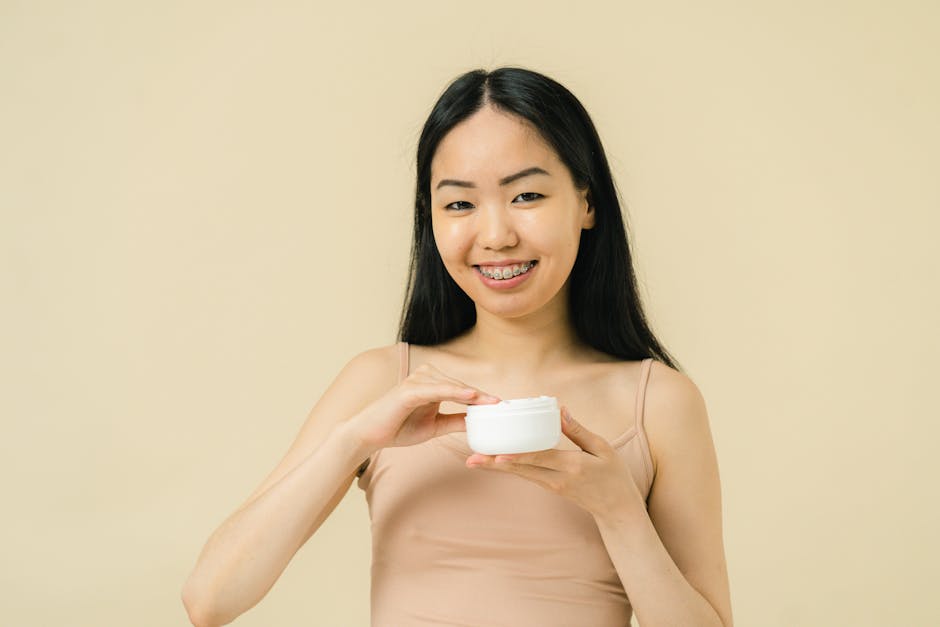
Active ingredients are the heavy lifters of your routine. At night, you want ingredients that promote cell turnover and repair. However, more is not always better. Mixing too many actives can lead to chemical burns or a destroyed skin barrier. You need to be strategic about what you apply and when.
Retinol remains the gold standard for anti-aging. It’s a derivative of Vitamin A that speeds up cell turnover. If you aren’t using it yet, you’re missing out on the most researched ingredient in dermatology.
The Retinoid Hierarchy
Not all retinoids are created equal. You have over-the-counter (OTC) retinol, retinaldehyde, and prescription-strength tretinoin. If you are new, start with a low-percentage retinol (0.25% or 0.5%) twice a week. Gradually increase the frequency as your skin builds tolerance. Retinaldehyde is a step up, as it requires fewer conversions in the skin to become active retinoic acid. Tretinoin is the most potent but requires a prescription and can cause significant peeling if not managed correctly.
Peptides and Growth Factors
If your skin is too sensitive for retinol, peptides are your best friend. They are chains of amino acids that act as messengers, telling your skin to produce more collagen. They are generally non-irritating and work well with other ingredients. Look for products containing copper peptides or Matrixyl 3000. These are excellent for firming the skin and improving elasticity without the redness associated with acids or retinoids.
Exfoliating Acids: AHAs and BHAs
Alpha Hydroxy Acids (like Glycolic or Lactic acid) are water-soluble and work on the skin’s surface to remove dead cells. Beta Hydroxy Acids (like Salicylic acid) are oil-soluble and get deep into the pores. You should not use these on the same night as your retinol unless your skin is very resilient. A common strategy is “skin cycling”: Night 1 is exfoliation, Night 2 is retinol, and Nights 3 and 4 are recovery nights focused on hydration. This prevents over-processing the skin.
Critical mistakes to avoid in your p.m. beauty regimen
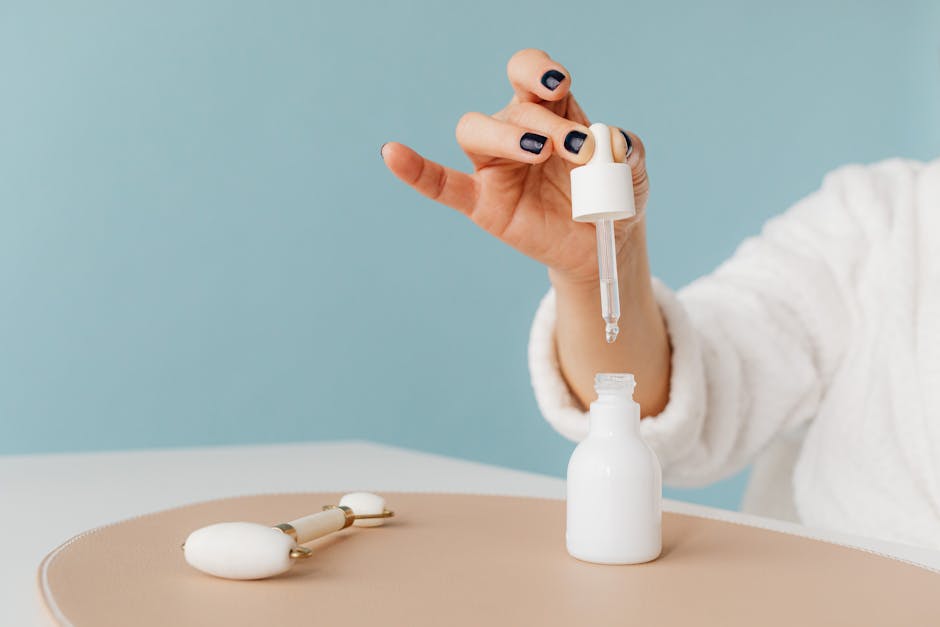
You can buy the most expensive serums in the world, but if you’re making these basic errors, you’re sabotaging your progress. Skincare is a holistic process. It doesn’t end with the products you put on your face; it includes your environment and your habits.
- Dirty Pillowcases: Your pillowcase collects oils, sweat, and hair products. If you don’t change it at least twice a week, you’re pressing your clean face into a petri dish for eight hours.
- Skipping the Neck and Decolletage: Your face doesn’t end at your jawline. The skin on your neck is thin and prone to aging. Always bring your serums and moisturizers down to your chest.
- Using Too Much Product: A pea-sized amount of retinol is enough for your entire face. Using more doesn’t make it work faster; it just causes more irritation.
- Inconsistent Routine: Skincare takes time. You won’t see the effects of retinol for at least 12 weeks. If you keep switching products every two weeks, you’ll never see results.
- Applying Products to Bone-Dry Skin: Most moisturizers work by trapping existing moisture. If your skin is totally dry, the humectants have nothing to grab onto. Apply your hydrating layers to damp skin.
The danger of the “More is Better” mentality
I see people using a 10-step routine every single night, combining Vitamin C, Retinol, and Glycolic acid all at once. Stop. You are going to give yourself perioral dermatitis or a chemical burn. Your skin is an organ, not a science experiment. If your face feels hot, itchy, or looks shiny but feels tight, your barrier is broken. Strip your routine back to just a gentle cleanser and a thick moisturizer for a week. Let it heal.
The role of humidity and environment
If you live in a dry climate or use air conditioning/heating, the air is sucking moisture out of your skin. A humidifier in your bedroom can make a massive difference in how your skin looks in the morning. Also, consider the temperature of the water you use to wash your face. Hot water strips natural oils. Use lukewarm water. It’s a small change that yields big results for people with sensitive or dry skin.
In the end, the best night skincare routine is the one you actually do. It doesn’t have to be complicated, but it does have to be consistent. Focus on thorough cleansing, targeted repair with actives like retinol or peptides, and robust hydration. Your future self will thank you for the five minutes you spent at the sink tonight.