Most people pick the wrong foundation. A recent survey revealed that nearly 60% of makeup users don’t feel confident they’ve found their ideal shade or formula. That’s a huge number of us walking around with makeup that might not be doing our skin any favors.
It’s not just about shade, either. The formula itself can make or break your look, especially when it comes to longevity and how it settles on your unique skin. Affordable brands like e.l.f. Cosmetics offer incredible value, but with several popular foundation options, picking the right one for your skin type and concerns can still feel overwhelming. This guide cuts through the noise, teaching you how to truly understand your foundation needs and which e.l.f. product delivers.
The Surprising Truth About Foundation Longevity
Ever notice your foundation melting by midday, or settling into fine lines the moment you step out? You’re not alone. The biggest culprit often isn’t the foundation’s quality, but a mismatch between its formula and your skin’s natural behavior. A foundation designed for oily skin, packed with mattifying agents, will look dry and flaky on someone with a dry complexion. Conversely, a dewy, hydrating formula will slide right off an oily face.
Understanding this fundamental connection is the first step to achieving truly long-lasting wear. It’s a common misconception that expensive foundations inherently last longer. While some luxury formulas do have advanced technology, the core principle remains: match the product to the canvas. e.l.f. has developed several impressive formulas that, when chosen correctly, stand up against much pricier options.
Why Foundation Breaks Down
Foundation breakdown happens for a few key reasons. Your skin’s natural oils can break down the emulsifiers in the foundation, causing it to separate and look patchy. Dehydration can make foundation cling to dry patches, emphasizing texture. Environmental factors like humidity or excessive sweating also play a role. Beyond that, the interaction between your skincare products, primer, and foundation can either create a smooth, adherent layer or a slippery, resistant one. Silicones in primers and foundations, for example, need to be compatible, or you risk pilling.
Another factor is product layering. Applying too much foundation, or not letting previous layers (like moisturizer and primer) set, can make the entire application unstable. Think of it like building a house: if the foundation isn’t solid, or the cement hasn’t dried, the walls won’t hold up. This principle applies directly to your makeup routine. Even the most carefully chosen e.l.f. foundation will underperform if the underlying conditions aren’t right.
Recognizing Your Skin’s Needs
Before picking any foundation, pinpoint your dominant skin characteristics. Do you get shiny in your T-zone within a few hours? That’s oily skin. Do you often feel tight and flaky, especially after washing? That’s dry skin. If you’re a mix, with an oily T-zone but normal-to-dry cheeks, you have combination skin. Mature skin often leans drier, with concerns around fine lines and loss of elasticity. Knowing this is critical for selecting a foundation that works with, not against, your natural complexion.
Consider your desired finish too. Do you prefer a matte, natural, or radiant look? e.l.f. offers options for all these preferences. For instance, if you have oily skin but want a dewy look, you’ll need a formula that can control oil while still providing luminosity, or you’ll need to achieve the dewiness through strategic highlighter application, not the foundation itself. Compromises sometimes have to be made, but only after you’ve identified your true skin needs.
Finding Your e.l.f. Match: A Skin Type Breakdown

e.l.f. has built a reputation for high-quality, budget-friendly makeup. Their foundation lineup includes some serious contenders that perform well above their price point. Here’s a breakdown of the top e.l.f. foundations, matched to specific skin types and concerns.
| e.l.f. Foundation | Best For Skin Type | Finish | Coverage | Approx. Price |
|---|---|---|---|---|
| Flawless Finish Foundation | Oily, Combination | Semi-Matte, Natural | Medium, Buildable | $6.00 |
| Halo Glow Liquid Filter | Dry, Mature, Normal | Radiant, Luminous | Sheer (can be built under foundation) | $14.00 |
| Camo CC Cream SPF 30 | Normal, Combination, Sensitive | Natural, Satin | Full | $14.00 |
Foundation Options for Oily Skin
For those battling shine, the e.l.f. Flawless Finish Foundation is a workhorse. This formula delivers a semi-matte, natural finish that helps control oil throughout the day without looking overly flat. It’s lightweight but provides solid medium coverage, which you can build up where needed. Users consistently praise its ability to last through a typical workday when properly set. It minimizes the appearance of pores thanks to its oil-absorbing properties, making it a reliable choice for preventing that midday T-zone slick.
While not strictly a foundation, the e.l.f. Poreless Putty Primer (around $10.00) makes an excellent partner, creating a smooth, pore-blurring base that helps the Flawless Finish Foundation adhere even better. This combination significantly extends wear time for oily skin, ensuring your hard work stays put.
Best for Dry and Mature Complexions
If your skin craves moisture and a radiant glow, the e.l.f. Halo Glow Liquid Filter is a standout. While technically a complexion booster or primer, many use it as a light coverage foundation or mixed with a matte formula to add luminosity. It’s packed with hydrating ingredients like squalane and hyaluronic acid, providing a dewy, glowing finish that looks incredibly healthy and fresh. It doesn’t settle into fine lines and gives a plumping effect, making it ideal for mature skin.
For those who need more coverage but still want that hydration, consider layering the Halo Glow Liquid Filter underneath the e.l.f. Hydrating Camo Concealer (around $7.00) in specific areas, rather than a heavy foundation. This approach maintains a natural, radiant finish while targeting imperfections without adding dryness.
Hybrid Solutions for Combination Skin
Combination skin is the trickiest because you’re managing both oily and dry zones. The e.l.f. Camo CC Cream SPF 30 is a fantastic hybrid option. It offers full coverage with a natural, satin finish that balances both concerns. It’s formulated with beneficial ingredients like hyaluronic acid and niacinamide, which hydrate dry areas while helping to regulate oil in the T-zone. The added SPF 30 is a huge bonus, offering sun protection without a heavy feel.
For combination skin, you might apply a mattifying primer (like the e.l.f. Poreless Putty Primer) only on your T-zone and a hydrating primer (like the e.l.f. Power Grip Primer, around $10.00) on drier areas before the CC Cream. This targeted priming maximizes the CC Cream’s performance across your entire face, ensuring a balanced look that lasts.
The Prep Steps That Make Any Foundation Last All Day
You can buy the most expensive foundation in the world, but if your skin isn’t properly prepped, it won’t perform. Think of makeup application as painting a canvas. A smooth, clean, and hydrated surface is essential for a flawless, long-lasting result. These steps are universal, regardless of your chosen e.l.f. foundation.
-
Cleansing and Hydrating for a Smooth Base
Start with a gentle cleanser to remove any oils, dirt, or leftover skincare from the night before. Follow immediately with a lightweight moisturizer, even if you have oily skin. Dehydrated skin can actually produce more oil to compensate, leading to foundation breakdown. For dry skin, a richer cream is beneficial. Allow your moisturizer at least 5-10 minutes to fully sink into your skin before moving on. Patting it in gently can help absorption. This creates a plump, smooth surface, preventing foundation from clinging to dry patches or emphasizing texture.
-
Why Primer Isn’t Optional
A good primer creates a barrier between your skin and your foundation, helping both to adhere better and extend wear. It also addresses specific concerns like pores, redness, or oiliness. For oily skin, a mattifying or pore-filling primer (e.g., e.l.f. Poreless Putty Primer) is key. For dry skin, a hydrating primer (e.g., e.l.f. Power Grip Primer) will give foundation a dewy, comfortable base. If you have combination skin, consider ‘multi-priming’ – using different primers on different areas of your face. Apply a tiny amount; too much primer can actually make foundation slip.
-
Targeted Application Techniques
Once your primer is set (give it a minute or two), you’re ready for foundation. Don’t apply foundation to your entire face at once. Start with a small amount in the center of your face – nose, forehead, chin – and blend outwards. This allows for lighter coverage where you naturally need less, and builds up coverage where necessary. It also prevents excess product from accumulating around the edges of your face, which can look unnatural. Patting and pressing motions, rather than swiping, will help the foundation melt into the skin more effectively.
Shade Matching Like a Pro (Even Online)
How Do I Identify My Undertone Correctly?
Identifying your **undertone** is crucial for accurate shade matching. It’s the hue beneath your skin’s surface. Look at the veins on your wrist: if they appear blue or purple, you likely have cool undertones. If they look green, you’re warm. If you see a mix, or can’t tell, you might have neutral undertones. Another trick is to think about how gold and silver jewelry looks on you. Silver typically complements cool tones, while gold suits warm tones. If both look good, you’re likely neutral. Many e.l.f. foundation shades now specify their undertone, making this step easier once you know yours.
What’s the Best Way to Swatch Foundation for Accuracy?
Forget swatching on your hand. Your hand is rarely the same color as your face. The most accurate place to swatch foundation is along your jawline, extending slightly down onto your neck. Apply three closely matching shades in small stripes. Let them sit for a minute or two, as some foundations can oxidize (change color slightly) once they hit the air and your skin’s oils. The shade that blends seamlessly into your skin and virtually disappears is your match. Always check in natural light, not just under artificial store lighting, which can be deceiving. If you’re between shades, it’s often better to go slightly lighter than darker, as you can always warm up a lighter foundation with bronzer.
Can Online Tools Really Help with Shade Selection?
Yes, online shade matching tools have come a long way. Websites like Findation or Temptalia’s Foundation Matrix allow you to input a foundation shade you already use and love from another brand, and it will suggest matches across different brands, including e.l.f. e.l.f. Cosmetics’ own website also provides detailed descriptions of each shade, often including the undertone. When using these tools, cross-reference them with actual swatch videos or reviews from people with similar skin tones to yours. Remember that screen calibration can affect how colors appear, so use these tools as a starting point rather than a definitive answer. Ordering two slightly different shades if you’re unsure can also be a smart, affordable strategy with e.l.f.’s price points.
Application Techniques for a Seamless Finish
Here’s my bold opinion: for the smoothest, most natural-looking finish with most e.l.f. foundations, especially their liquid formulas, a damp beauty sponge is your best friend. It sheers out the product just enough to avoid cakiness while still building coverage where you need it, creating an airbrushed effect that brushes often struggle to achieve.
While brushes and fingers have their place, the damp sponge offers unparalleled blendability. It pushes the product into the skin rather than sitting on top, helping to blur pores and fine lines. The dampness also prevents the sponge from absorbing too much product, ensuring you get the most out of your foundation without wasting it.
The Damp Sponge Advantage
Using a damp sponge, like the e.l.f. Total Face Sponge (around $5.00), is straightforward. Simply wet the sponge under running water, squeeze out excess, and then use a towel to further wick away moisture until it’s just damp. Apply a small amount of foundation to the back of your hand or directly onto the sponge, then bounce it onto your face. Use a patting and rolling motion, rather than dragging, to press the foundation into your skin. This technique builds coverage seamlessly and leaves a natural, skin-like finish. For areas needing more coverage, simply dab on a little more product and bounce again.
Brush Types for Different Coverage
If you prefer brushes, the type you choose significantly impacts the finish. A dense flat-top brush, like the e.l.f. Ultimate Blending Brush (around $8.00), will provide fuller coverage. Use it in buffing motions to work the product into the skin. For a lighter, more diffused application, a fluffy duo-fiber brush is ideal, as it applies product sparingly. Brushes are excellent for precision and achieving specific coverage levels, but they can sometimes leave streak marks if not used correctly, particularly with thicker foundation formulas. Ensure your brushes are clean, as dirty brushes can harbor bacteria and lead to uneven application.
Finger Application: When It Works
Applying foundation with your fingers is the oldest trick in the book, and it still works beautifully for certain formulas and desired finishes. It’s particularly good for sheer-to-medium coverage and for foundations that have a more emollient or creamy texture, like a tinted moisturizer or even the e.l.f. Camo CC Cream. The warmth of your fingertips helps to melt the product into the skin, providing a very natural, “second skin” finish. The downside is that it can sometimes lack precision and can transfer oils from your hands to your face. Always start with clean hands, and use gentle patting motions to blend, especially around the edges of your face and hairline.
Setting Your Foundation for Maximum Wear (And No Creasing)
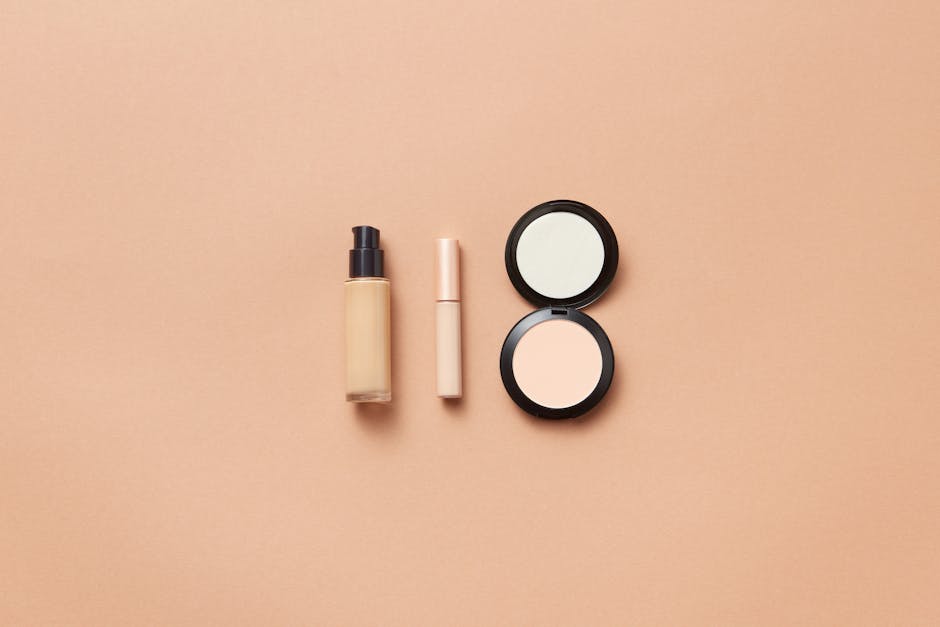
Once you’ve perfected your foundation application, the next crucial step for extending its wear and preventing creasing is setting it properly. This isn’t just for oily skin; even dry skin types can benefit from strategic setting to lock everything in place and ensure longevity. The key is using the right products and techniques without making your face look heavy or cakey.
Choosing the Right Setting Powder
Setting powders come in various forms: loose, pressed, translucent, or tinted. For most e.l.f. foundations, a finely milled translucent loose powder is often the best choice for setting without adding extra coverage or altering the shade. The e.l.f. Halo Glow Setting Powder (around $8.00) is an excellent option. It’s incredibly finely milled, which means it blurs imperfections and sets makeup without looking heavy or dry. For oily skin, focus on your T-zone and any areas prone to shine. For dry or mature skin, use powder sparingly, concentrating it only where you tend to crease, such as under the eyes or around the nose.
Apply powder with a fluffy brush for a light dusting or a damp beauty sponge for “baking” in areas like under the eyes for maximum crease prevention. When using a brush, lightly tap off any excess powder before gently pressing and sweeping it onto the skin. Baking involves applying a thicker layer of loose powder with a damp sponge and letting it sit for 5-10 minutes, allowing the warmth of your skin to melt the powder into your foundation, then dusting off the excess. This technique provides intense oil control and helps to brighten specific areas.
The Art of Setting Spray
After powder, a good setting spray is the final step to fuse all your makeup layers together and enhance longevity. It removes any powdery finish and makes your makeup look more skin-like. e.l.f. offers several effective setting sprays, such as the e.l.f. Stay All Night Micro-Fine Setting Mist (around $10.00). This mist is specifically designed to lock makeup in for up to 16 hours, making it ideal for events or long days.
Hold the bottle about 8-10 inches away from your face and spray in an ‘X’ and ‘T’ motion to ensure even coverage. Let it air dry; don’t fan your face, as this can make the spray evaporate too quickly without fully setting your makeup. A setting spray acts as a protective barrier, preventing your foundation from transferring, smudging, or fading throughout the day, even in challenging conditions. It’s an essential step for anyone serious about makeup longevity.
Avoiding Cakey Patches
To avoid a cakey appearance, less is always more. Start with a minimal amount of both foundation and powder. Build coverage only where truly needed. If your skin is dry, skip powder in areas that don’t crease or get oily. Also, ensure your moisturizer and primer are fully absorbed before applying foundation, and let your foundation settle before powdering. Over-powdering is a common mistake that instantly makes makeup look heavy. If you find yourself looking cakey midday, a quick spritz of hydrating setting spray or even just a few dabs of a clean, damp beauty sponge can help melt the layers together and refresh your look.
My Pick: The Most Versatile e.l.f. Foundation for Most People
For sheer versatility and exceptional performance across a wide range of skin types, the e.l.f. Camo CC Cream SPF 30 is the undisputed winner. Its balanced formula, full coverage, and built-in SPF make it an ideal choice for almost anyone seeking a reliable, flattering base that lasts. It truly offers the best balance of coverage, finish, and skin benefits for the price.