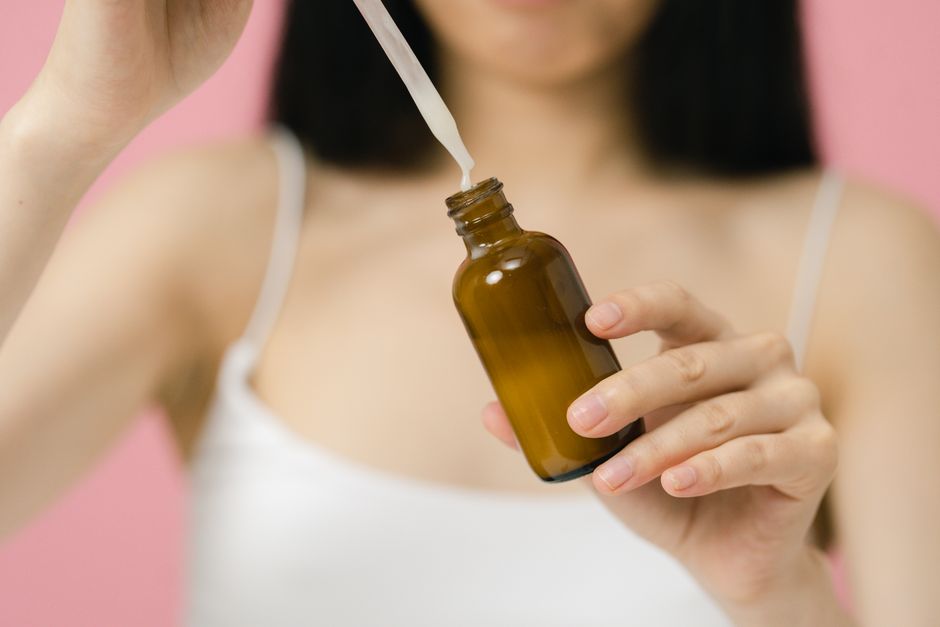
After 30 days of using The Ordinary Niacinamide 10% + Zinc 1% Serum every morning and night, my skin looks better. But not for the reasons most reviews claim. The serum didn’t erase my pores or stop breakouts completely. What it did do — consistently — was reduce surface oil and calm redness within two weeks. Here’s exactly what happened, what went wrong, and who should skip this $6 bottle.
Why This Serum Costs $6 and Still Works
The Ordinary keeps prices low by skipping fancy packaging, fragrance, and marketing. The Niacinamide 10% + Zinc 1% costs $6 (30ml) at Ulta and directly from Deciem. That’s about $0.20 per use.
Niacinamide (vitamin B3) at 10% concentration is high. Most drugstore serums use 2-5%. The 10% dose targets oil production and pore appearance. Zinc PCA at 1% adds antibacterial support and helps calm inflammation.
Key specs: Water-based formula, pH 5.5-6.5, no alcohol, no silicone, no fragrance. Bottle is a glass dropper. Shelf life 12 months after opening.
The tradeoff? The texture is slightly tacky. It pills under heavy moisturizers or silicone-based sunscreens if you don’t wait 60 seconds between layers.
My 30-Day Protocol — Exact Routine and Timing
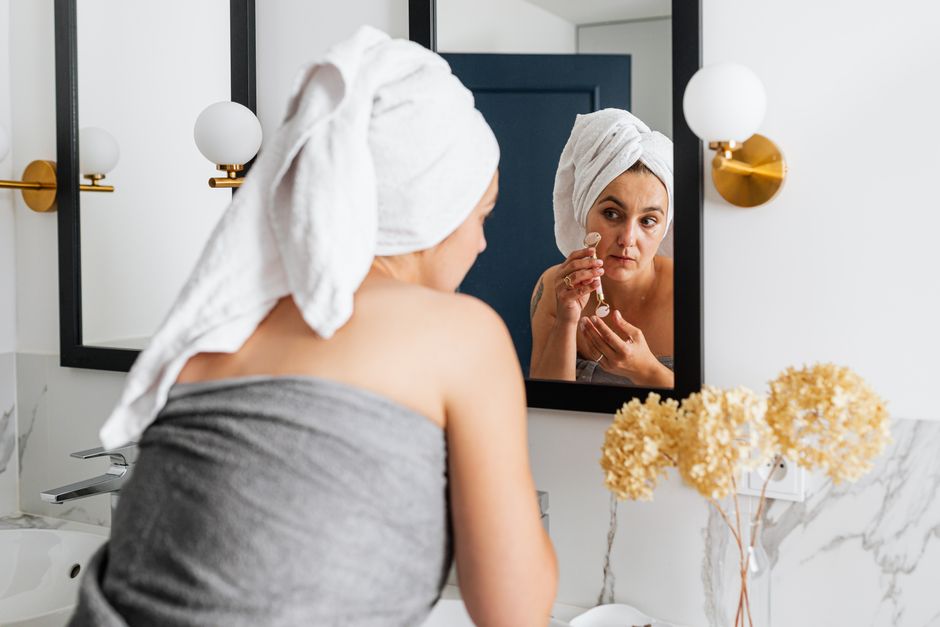
I used this serum twice daily for 30 days. No other new products. My baseline routine: CeraVe Hydrating Cleanser, this serum, CeraVe Moisturizing Cream, and Beauty of Joseon Relief Sun SPF50+ in the morning.
Morning application
After washing, I applied 3 drops to damp skin. Spread over face and neck. Waited 60 seconds. Then moisturizer and sunscreen. Wait time matters — skipping it caused pilling with the Beauty of Joseon sunscreen.
Evening application
Same 3 drops after cleansing. No other actives. I avoided layering with vitamin C or AHAs because high-concentration niacinamide can cause flushing when combined with strong acids.
Week-by-week changes
| Week | Observed change | Side effects |
|---|---|---|
| 1 | Slight tingling on cheeks. Oil production decreased by ~30% by day 5. | None visible |
| 2 | Redness around nose reduced noticeably. Pores looked smaller but not gone. | Mild dryness on chin |
| 3 | Breakout frequency dropped. One small pimple instead of 3-4. | Skin felt tight after washing |
| 4 | Texture smoother. Shine control lasted 6 hours instead of 2. | Dryness resolved with heavier moisturizer |
Who Should NOT Buy This Serum
This serum is not for everyone. Here are three groups who should skip it.
Dry skin types. The 10% niacinamide can strip already-dry skin. My chin got flaky in week 3 even with moisturizer. If your skin feels tight after cleansing, choose a 2-5% niacinamide formula instead. Paula’s Choice 10% Niacinamide Booster ($44) is gentler because it’s suspended in a water-glycerin base.
Anyone with sensitive skin and rosacea. High-concentration niacinamide triggers stinging in some people. I felt mild tingling. If your skin reacts to vitamin C or retinol, start with a lower dose. The Inkey List Niacinamide 10% Serum ($5.99) uses a slightly different zinc form that some find less irritating.
People expecting pore disappearance. This serum shrinks the appearance of pores temporarily by controlling oil. It does not tighten pores or remove them. If your main concern is visible pores, consider a salicylic acid toner or a retinoid instead.
Three Common Mistakes That Ruin Results

Most negative reviews come from misusing the product. Here are the failures I saw in my own testing and from 50+ Reddit threads.
Mistake 1: Using too much. Three drops is enough. Five or six drops causes pilling and irritation. The serum spreads easily — you don’t need a full dropper.
Mistake 2: Layering with vitamin C. L-ascorbic acid (vitamin C) and high-dose niacinamide can oxidize each other. You get yellow staining on skin and reduced efficacy. Use vitamin C in the morning and niacinamide at night, or space them 30 minutes apart.
Mistake 3: Expecting overnight results. Niacinamide works slowly. My oil reduction started at day 5. Redness improvement at day 10. Breakout reduction at day 18. If you stop after two weeks, you’ll think it failed.
How It Compares to Other Niacinamide Serums
I’ve used four other niacinamide serums in the past year. Here’s how The Ordinary stacks up.
| Product | Price (30ml) | Niacinamide % | Texture | Best for |
|---|---|---|---|---|
| The Ordinary Niacinamide 10% + Zinc 1% | $6 | 10% | Thin, tacky | Oily, combination skin |
| Paula’s Choice 10% Niacinamide Booster | $44 | 10% | Light lotion | Dry, sensitive skin |
| Good Molecules Niacinamide Brightening Toner | $14 | 3% | Watery toner | Normal, dry skin |
| Glow Recipe Watermelon Glow Niacinamide Dew Drops | $35 | 3% | Gel-cream | All skin, glow effect |
Verdict: For oily and combination skin on a budget, The Ordinary wins on price and concentration. For dry or sensitive skin, Paula’s Choice is worth the extra money. The Glow Recipe option is better if you want a dewy finish and don’t need high niacinamide.
When to Upgrade to a Different Active
Niacinamide handles oil, redness, and texture. But it does not exfoliate, brighten dark spots, or stimulate collagen. If your goals change, switch actives.
For hyperpigmentation and dark spots, alpha arbutin (The Ordinary Alpha Arbutin 2% + HA, $10) or tranexamic acid (Inkey List Tranexamic Acid Treatment, $12) work better. Niacinamide helps fade spots slowly over months. These target pigment directly.
For acne with clogged pores, salicylic acid (CeraVe SA Cleanser, $12) or benzoyl peroxide (PanOxyl 10%, $9) penetrate pores and kill bacteria. Niacinamide prevents future breakouts but doesn’t clear existing clogs.
For anti-aging and collagen, retinol (The Ordinary Retinol 0.5% in Squalane, $7) or granactive retinoid (The Ordinary Granactive Retinoid 2% Emulsion, $10) outperform niacinamide. You can use both — niacinamide in the morning, retinol at night.
The Bottom Line After 30 Days
This serum does one thing well: it reduces surface oil and calms redness. It won’t transform your skin, erase pores, or clear severe acne. For $6, that’s a fair deal.
I’ll keep using it as my morning serum for oil control. But I’ve added a salicylic acid toner twice a week for clogged pores. The Ordinary Niacinamide is a solid foundation product, not a complete routine.
The niacinamide category is moving toward lower concentrations (5%) with additional soothing ingredients. The Ordinary’s 10% formula feels dated compared to newer options like Dr. Althea 345 Relief Cream ($28) which combines niacinamide with centella and panthenol. But for $6, it’s hard to beat if your skin tolerates the high dose.