Maintaining the integrity of salon-fresh color is an exercise in chemical management. When you leave the stylist’s chair, your hair is at its peak saturation, but the very first wash at home initiates a process of oxidative stress and pigment leaching. The transition from a professional environment to a domestic shower routine often results in a rapid loss of tonality, particularly for those favoring high-maintenance shades like copper, cool blonde, or vibrant reds. Selecting the best shampoo for colored hair requires moving beyond marketing claims and looking into the specific surfactants, pH levels, and molecular weights of the ingredients involved. It is not merely about avoiding ‘harsh’ chemicals; it is about creating a protective environment that keeps the hair cuticle sealed while effectively removing sebum and environmental pollutants.
The chemistry of color fading and how surfactants influence longevity
To understand why your choice of cleanser matters, we have to look at the hair fiber’s structure. During the coloring process, an alkaline agent—usually ammonia or an ethanolamine—swells the hair cuticle to allow pigment molecules to enter the cortex. Once the color is deposited, the goal is to keep that cuticle as flat and tightly sealed as possible. Traditional shampoos often use high concentrations of Sodium Lauryl Sulfate (SLS) or Sodium Laureth Sulfate (SLES). These are highly effective detergents, but their high polarity and alkaline nature cause the hair shaft to swell again. When the hair swells in water, the pigment molecules, which are water-soluble to varying degrees, simply slip out. This is why you see the color swirling down the drain.
Research into hair morphology suggests that the optimal pH for a color-protecting shampoo sits between 4.5 and 5.5. This slightly acidic range mimics the hair’s natural state and helps keep the cuticle scales closed. Many professional-grade products, available through major retail partners, prioritize this acidity. Furthermore, the introduction of ‘color-trapping’ polymers has changed the landscape. These ingredients, such as amodimethicone or polyquaternium-7, form a microscopic, breathable film over the hair. This film acts as a secondary barrier, repelling water and locking in the dye. If you are shopping at high-end retailers or using telecom-linked reward programs to fund your beauty haul, looking for these specific polymer chains in the ingredient list is a wise move.
UV radiation is another silent thief of color. Sunlight triggers the formation of free radicals that break down the chemical bonds of synthetic dyes. A truly effective shampoo for colored hair should contain UV absorbers like Benzophenone-4 or Helianthus Annuus (Sunflower) Seed Extract. These aren’t just ‘natural’ additions; they are functional antioxidants that sacrifice themselves to protect the pigment. When we analyze the performance of these products, we aren’t just looking at how clean the hair feels, but how well the formula mitigates the three primary causes of fading: water-induced swelling, surfactant-driven stripping, and light-induced oxidation.
Top-rated shampoos for maintaining professional hair color across all budgets
The market is saturated with options, but a few stand out based on their formulation stability and user feedback. When selecting these, consider your hair’s secondary needs, such as hydration or volume, as color-treated hair is rarely just ‘colored’—it is often also chemically processed and physically compromised.
Pureology Hydrate Shampoo
Pureology has long been a standard-bearer for color care. Their Hydrate Shampoo is a sulfate-free, vegan formula that relies on sodium cocoyl isethionate, a much gentler surfactant derived from coconut oil.
Price: Approximately $38 for 9oz.
Pros: Highly concentrated (a little goes a long way), incredible moisture retention, and includes a patented Antifade Complex.
Cons: The peppermint and sage scent is quite intense and may not appeal to everyone. It is also on the higher end of the price spectrum.
Redken Color Extend Magnetics
This product utilizes a multi-targeted delivery system. It is pH-balanced, which we have already identified as a critical factor. It features Redken’s RCT Protein Complex, which treats the hair from the root to the core to the tip.
Price: Approximately $25 for 10.1oz.
Pros: Excellent at detangling and leaves a very smooth finish that reflects light well, making color look more vibrant.
Cons: Contains silicones, which some users prefer to avoid to prevent potential buildup over long periods.
Olaplex No. 4 Bond Maintenance Shampoo
While not exclusively a ‘color’ shampoo, its ability to repair disulfide bonds makes it indispensable for those who have undergone bleaching or high-lift coloring.
Price: Approximately $30 for 8.5oz.
Pros: Proven technology for repairing hair structure; extremely thick consistency.
Cons: Can be too heavy for very fine hair, potentially leading to a flat appearance if not rinsed thoroughly.
L’Oréal Paris EverPure Sulfate-Free Moisture Shampoo
For those looking for an accessible retail option, the EverPure line is a standout for its price-to-performance ratio. It avoids the harsh salts found in many other drugstore brands.
Price: Approximately $10 for 8.5oz.
Pros: Very affordable and widely available; gentle on the scalp.
Cons: The lather is less satisfying than professional brands, and it lacks the high-end UV filters found in more expensive counterparts.
| Product Name | Key Active | Best For | Sulfate-Free? |
|---|---|---|---|
| Pureology Hydrate | Jojoba & Green Tea | Dry, thick hair | Yes |
| Redken Color Extend | Amino-ions | All hair textures | Yes |
| Olaplex No. 4 | Bis-Aminopropyl Diglycol Dimaleate | Damaged/Bleached hair | Yes |
| L’Oréal EverPure | Rosemary Botanicals | Budget-conscious users | Yes |
Specific solutions for blonde, brunette, and red color-treated hair
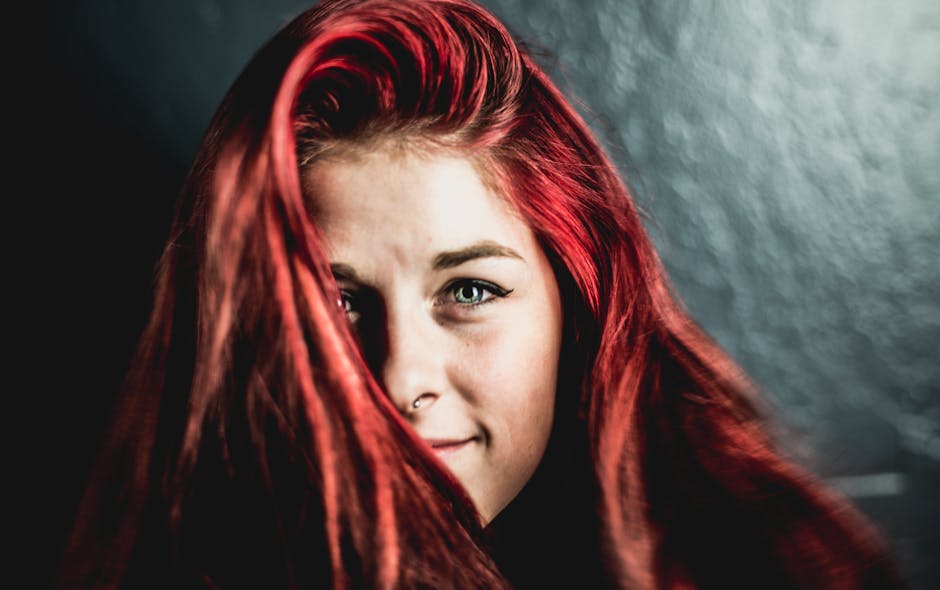
General color-protecting shampoos are excellent for daily maintenance, but specific pigments require targeted intervention. This is where toning shampoos come into play. They don’t just protect the color; they deposit a small amount of pigment to counteract the natural warm undertones that emerge as dye fades. For blondes, the enemy is yellow. For brunettes, it is orange or red. For redheads, the challenge is simply the size of the red pigment molecule—it is the largest and therefore the first to escape the hair shaft.
Purple shampoos are the most common toning tools. They work on the principle of color theory: purple is opposite yellow on the color wheel. By applying a violet-tinted wash, you neutralize brassiness. However, a common mistake is using these every time you wash. Over-use can lead to a dull, ‘inky’ buildup that makes blonde hair look darker. A researcher’s tip: use a toning shampoo once every three washes, and stick to a standard color-protecting formula for the interim. Brands like Kerastase and Matrix offer professional-grade toning options that balance pigment load with conditioning agents, ensuring the hair doesn’t feel straw-like after use.
Brunettes benefit from blue shampoos. Because brown hair has underlying orange pigments, a blue wash keeps the tone cool and ‘ashy.’ This is particularly important for those with balayage or ombre styles where the transition between dark and light needs to remain crisp. For redheads, the strategy is different. Toning isn’t about neutralizing; it’s about replenishing. Red-depositing shampoos are essential. These products are notoriously messy and can stain your shower tiles, but they are the only way to keep a copper or crimson shade from turning into a muddy ginger within two weeks. When using these, always follow with a cold water rinse to snap the cuticle shut and lock those fresh pigments in place.
Pro Tip: If you have hard water, your shampoo has to work twice as hard. Mineral deposits like calcium and magnesium can react with your hair dye, causing it to turn brassy or greenish. Consider a shower head filter in addition to a high-quality shampoo to protect your investment.
Beyond the bottle: Maximizing shampoo efficacy through washing techniques
The best shampoo for colored hair will fail if the washing technique is fundamentally flawed. Temperature is the most overlooked variable. Hot water is a solvent; it opens the cuticle more aggressively than almost anything else. If you are washing your hair in steaming hot water, you are essentially inviting the color to leave. Use lukewarm water for the cleansing phase and, if you can stand it, a cool rinse at the end. This isn’t just an old wives’ tale—it is a physiological fact that cold water helps constrict the hair fiber.
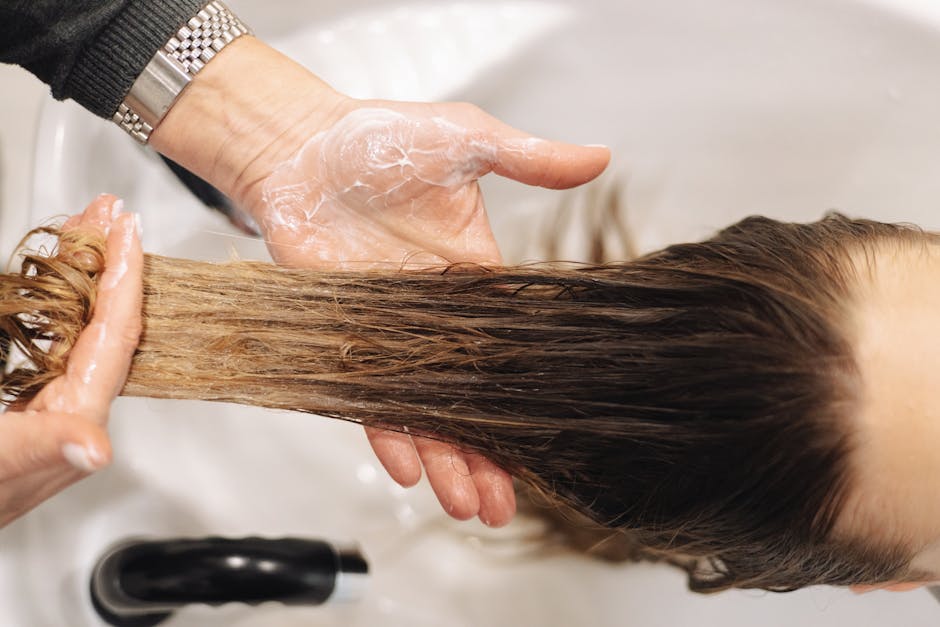
Frequency of washing is the second pillar of color preservation. Even the gentlest shampoo involves mechanical friction and water exposure. Dry shampoo is a color-treated person’s best friend. By extending the time between wet washes, you directly extend the life of your color. When you do wash, focus the shampoo strictly on the roots. The mid-lengths and ends of your hair don’t produce sebum; they only need the ‘suds’ that run down during the rinsing process to get clean. This targeted approach prevents the older, more porous parts of your hair from being over-cleansed.
Finally, consider the ‘pre-poo’ method. Applying a lightweight hair oil or a specialized pre-wash treatment can create a hydrophobic barrier that slows down the penetration of water into the hair shaft. This is particularly effective for vibrant fashion colors like pink, blue, or purple, which lack the staying power of natural-toned oxidative dyes. By managing the way water interacts with the hair, you supplement the work of your shampoo. It is a holistic approach to hair health that recognizes that fashion and beauty are as much about maintenance as they are about the initial aesthetic choice. Investing in the right products through reputable retail channels ensures that your hair remains a vibrant part of your personal style rather than a fading memory of your last salon visit.