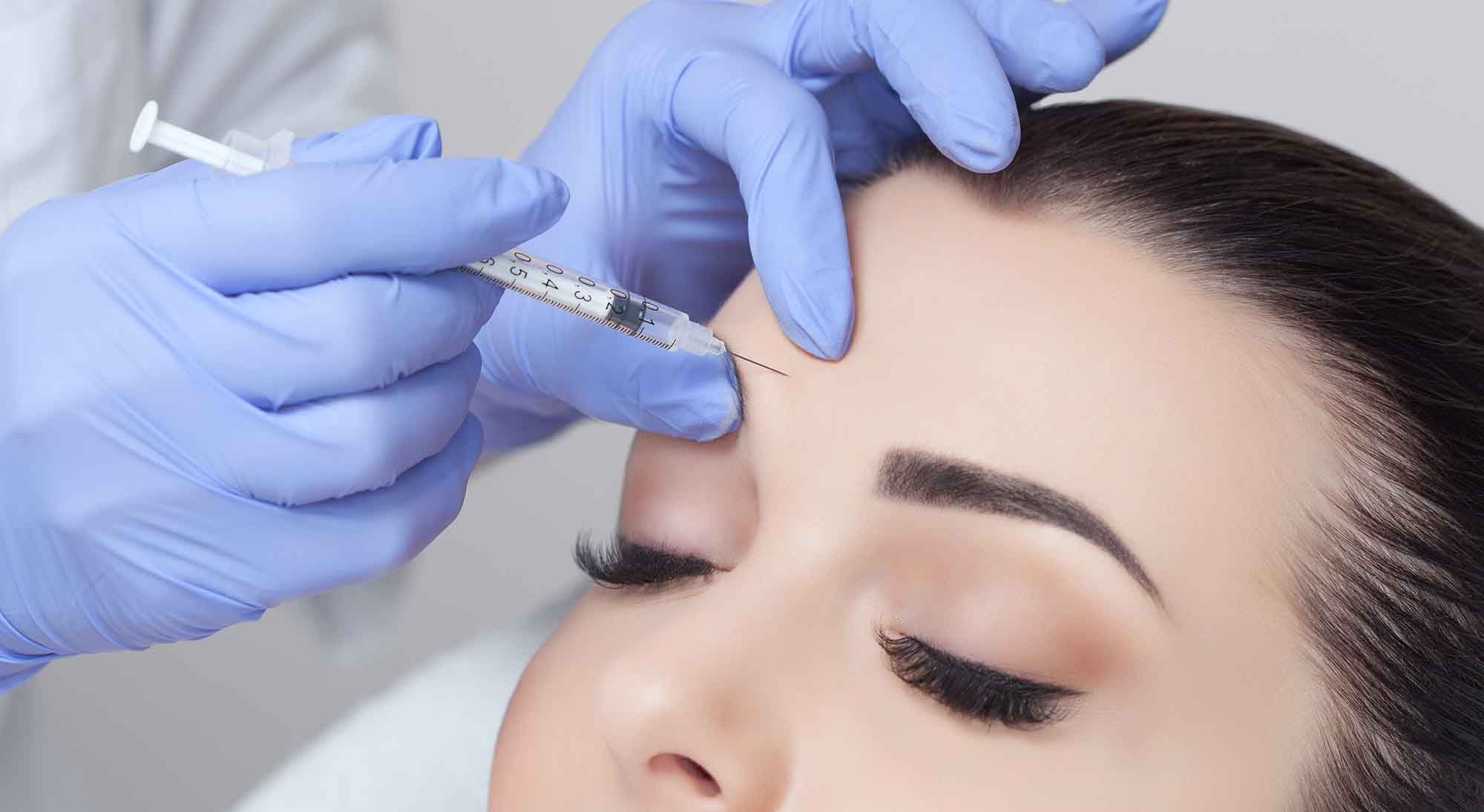
You’re 34. You’ve got a crease between your brows that doesn’t go away when you relax your face. Your friend, 51, gets Botox every four months and looks rested. You wonder: is it too early for you? Or too late for her?
The short answer: neither. Botox works at 30 and at 50. But what it’s doing, how much you need, and what results you can expect are completely different. Here’s the breakdown.
How Muscle Strength Changes the Dose at Different Ages
Botox works by blocking nerve signals to muscles. Stronger muscles need more units. Weaker muscles need fewer. Age changes muscle strength in ways that matter for dosing.
At 30, your forehead muscles are still strong from years of expressing. The glabellar complex — those muscles between your brows — can be downright tough. A typical starting dose for frown lines at 30 is 20-30 units. Some need 35.
At 50, those same muscles have been working for two more decades, but they’ve also been weakening naturally. Muscle mass decreases with age — it’s called sarcopenia, and it happens to facial muscles too. A 50-year-old might only need 15-20 units for the same area.
One injector I spoke with, a nurse in Austin with 12 years of experience, told me she consistently uses 4-6 fewer units per treatment area for clients over 50 compared to clients under 35. The difference is real.
Key takeaway: don’t compare unit counts with someone 20 years older or younger. Your dose is personal.
What happens with too many units at 50
Over-treating at 50 creates a frozen, unnatural look fast. The muscle is already weaker, so the effect hits harder. Eyebrows can drop. The forehead looks shiny and immobile. This is the classic “Botox face” people fear — and it’s almost always a dosing mistake for the patient’s age.
Preventative Botox at 30: Does It Actually Prevent Wrinkles?
This is the biggest marketing claim in the industry: start Botox early and you’ll prevent deep wrinkles later. Let’s look at the evidence.
There’s exactly one small study from 2006 that followed 16 pairs of twins. One twin got Botox regularly, the other didn’t. After 13 years, the treated twins had visibly fewer resting wrinkles. That’s it. One study. But the logic is sound: if a muscle can’t contract, it can’t fold the skin repeatedly. Over years, those repeated folds become etched lines.
Preventative Botox works, but only if you’re consistent. Getting it once at 30 and never again won’t do much. You need to maintain the muscle paralysis for years to see the cumulative benefit.
Here’s the trade-off most articles don’t mention: starting at 30 means you’re committing to spending $1,200-$2,000 per year for the next 20-30 years if you want that preventative effect. That’s $24,000-$60,000 over two decades. Is it worth it? That’s a personal finance question, not a skincare one.
When preventative Botox doesn’t matter
If you have naturally thick, oily skin, you’re less likely to develop deep static wrinkles anyway. The same goes for people with strong bone structure — high cheekbones and strong brow ridges support the skin differently. For these people, starting Botox at 30 might be a waste of money. The wrinkles won’t form as deeply regardless.
Botox for Established Wrinkles at 50: What to Expect
At 50, you’re not preventing anything. You’re treating what’s already there. Static wrinkles — the ones visible when your face is completely relaxed — won’t disappear with Botox alone.
Here’s the honest truth: Botox at 50 softens lines but rarely erases them completely, especially if you’ve had deep wrinkles for years. The skin has been creased so many times that it’s physically changed. Collagen and elastin fibers have broken down in those exact lines.
What Botox can do at 50:
- Stop the muscle from deepening the wrinkle further
- Give the skin a chance to plump back slightly over 3-6 months
- Create a smoother appearance when the face is at rest
What it can’t do:
- Remove existing skin creases completely
- Fix volume loss in the cheeks or temples
- Replace a facelift
Most 50-year-olds who get good results combine Botox with fillers or laser treatments. A common stack: Botox for the upper face, a hyaluronic acid filler like Juvederm Voluma for midface volume, and a series of microneedling sessions for skin texture. Alone, Botox only handles the muscle component.
Comparing Results: 30 vs 50 Side by Side
| Factor | At 30 | At 50 |
|---|---|---|
| Primary goal | Prevention, softening dynamic lines | Softening static lines, preventing deepening |
| Typical units (glabella) | 22-30 units | 14-22 units |
| Results visible | 3-5 days | 5-7 days |
| Duration | 3-4 months | 2.5-3.5 months |
| Need for additional treatments | Low (if skin is good) | High (fillers, lasers often needed) |
| Risk of frozen look | Lower (muscle stronger) | Higher (muscle weaker) |
| Annual cost (est.) | $1,200-$2,000 | $800-$1,500 |
The table shows a clear pattern: younger patients need more product but have simpler goals. Older patients need less product but more comprehensive planning.
Three Mistakes People Make at Every Age
These apply 28 or 58.
Mistake 1: Going to the cheapest injector. Botox is a medical procedure. The difference between a great result and a bad one isn’t the product — it’s the person injecting it. A nurse with 10 years of experience charges more than a new grad doing weekend specials. Pay the difference. Bad Botox costs more to fix than good Botox costs to get.
Mistake 2: Expecting Botox to fix everything. Botox treats wrinkles caused by muscle movement. It doesn’t treat sagging skin, volume loss, sun damage, or texture issues. If you have a puffy lower face or deep nasolabial folds, Botox won’t touch them. Know what Botox does before you book.
Mistake 3: Not telling your injector about medications. Blood thinners, including ibuprofen, aspirin, fish oil, and vitamin E, increase bruising. Some antibiotics interact with Botox. Always disclose your full medication list. A bruised face takes two weeks to heal. That’s two weeks of explaining what happened.
When Not to Get Botox: Honest Alternatives
Botox isn’t the right choice for everyone. Here’s when you should consider something else.
If you have very thin skin. Thin skin shows every vein and tendon. Botox can make the forehead look even more veiny and translucent. Instead, try microneedling with radiofrequency (like Morpheus8) to build collagen and thicken the skin over time. It costs about the same per session but addresses the root cause.
If you’re pregnant or breastfeeding. There are no large safety studies on Botox during pregnancy. Most injectors won’t treat you. Use silicone patches (like the ones from Avene or Bioderma) for sleep lines and stick to sunscreen and tretinoin (after pregnancy) for prevention.
If you have a neuromuscular condition. Myasthenia gravis, ALS, or Lambert-Eaton syndrome are contraindications. Botox can worsen muscle weakness systemically. Don’t risk it.
If you don’t want the maintenance. Botox isn’t a one-and-done. It wears off. If you can’t commit to two to four treatments per year, your money is better spent on a good retinol (try SkinMedica Retinol 0.5) and a high-SPF sunscreen (La Roche-Posay Anthelios SPF 50). These two products, used daily, will slow wrinkle formation without needles.
What the First Appointment Actually Looks Like
If you’re considering Botox for the first time, here’s exactly what happens so you’re not surprised.
The appointment takes 15-20 minutes. The injector will ask you to make expressions — frown, raise your eyebrows, squint. They’ll mark injection points with a white pencil. Then they clean the area with alcohol. The injections themselves take about 2 minutes. Each one feels like a quick pinch, similar to a mosquito bite. There’s no numbing cream needed for most people.
Afterward, you’ll be told not to lie down for four hours, not to exercise for 24 hours, and not to rub the area. You might see tiny red bumps at injection sites — they disappear within an hour. Some people get a mild headache that evening. It passes.
Results start at day 3-5. Full effect at day 14. The movement gradually returns around month 3 to 4.
What to bring to your first appointment:
- A photo of your face from a few years ago (helps the injector see what’s changed)
- A list of medications and supplements
- Your budget — be honest about how much you can spend per year
- Questions written down (you’ll forget them during the appointment)
Good injectors will talk you through the trade-offs. They’ll tell you if Botox alone won’t get you where you want to be. If they push you to buy more units than you need, walk out.
Botox at 30 vs 50: The Bottom Line
Here’s the compressed verdict:
- At 30: Botox is a preventative tool. It works best for dynamic wrinkles (the ones you see when you move). You’ll need more units but fewer complementary treatments. The commitment is long-term and expensive. If you have good skin genetics, you might not need it at all.
- At 50: Botox is a maintenance tool for existing wrinkles. You’ll need fewer units but likely need fillers or lasers for full results. The risk of an unnatural look is higher, so choosing an experienced injector matters more. The cost per year is lower, but the overall treatment plan is more complex.
Neither age is “too early” or “too late.” The question is whether Botox solves the specific problem you have. If your main concern is a deep resting frown line at 48, Botox will help but won’t erase it. If your main concern is preventing future lines at 32, Botox will work — if you’re willing to pay for it year after year. Know what you’re buying before you buy it.