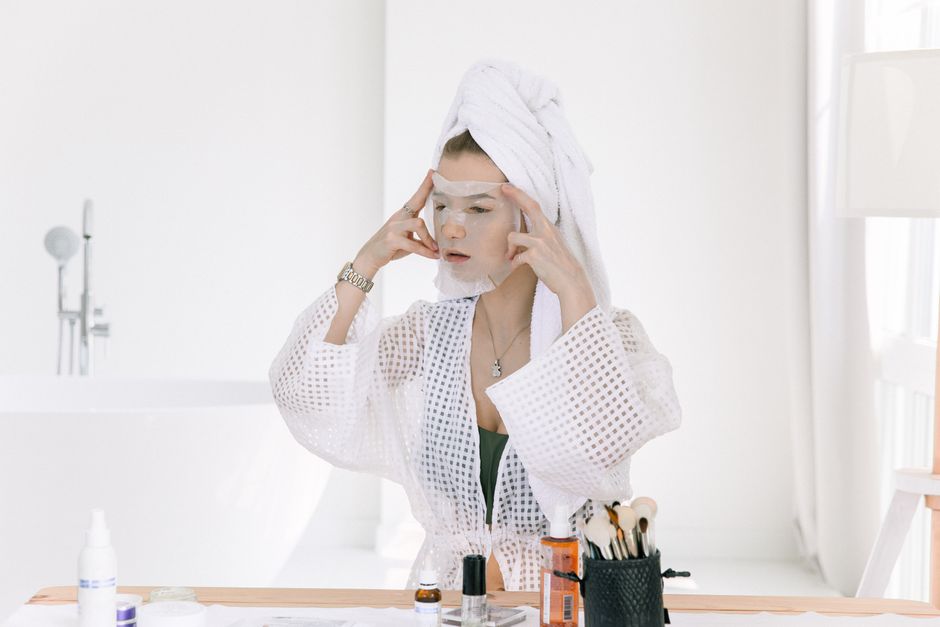
My skin looked like I’d been in a fight with a cheese grater. Every winter, retinol would leave me with red, flaking patches around my nose and mouth. I’d buffer it with moisturizer, use it every third night, apply the tiniest pea-size amount—didn’t matter. The irritation always won.
So when bakuchiol started showing up everywhere, I was skeptical. A plant-based alternative that works like retinol without the peeling? Sure. And I’m supposed to believe cleansing oils don’t clog pores too.
I spent six months testing both. Three months on my usual retinol (the Medik8 Crystal Retinal 6, 0.06% retinaldehyde). Then three months on bakuchiol (the Herbivore Botanicals Bakuchiol Serum and The Inkey List Bakuchiol Moisturizer). Here’s exactly what happened.
What Bakuchiol Actually Does to Your Skin
Bakuchiol comes from the seeds of the Psoralea corylifolia plant. It’s been used in Ayurvedic medicine for centuries. But the skincare industry only started paying attention after a 2014 study in the British Journal of Dermatology compared it head-to-head with retinol.
The mechanism is different. Retinol binds directly to retinoic acid receptors in your skin. Bakuchiol doesn’t. It triggers the same collagen-producing pathways through a different route—one that doesn’t involve the retinoic acid receptor at all. That’s why it doesn’t cause the same irritation cascade.
But here’s what nobody tells you: the studies used bakuchiol twice daily. Retinol was used once daily. So the “comparable results” required double the application frequency.
What the Research Actually Shows
- 12-week study, 44 participants
- Bakuchiol applied twice daily vs retinol applied once daily
- Both reduced wrinkle surface area and hyperpigmentation
- No statistical difference in efficacy between the two groups
- Bakuchiol group reported significantly less stinging, burning, and scaling
The catch? The study was small. Forty-four people is nothing. And it was funded by a company that makes bakuchiol. That doesn’t invalidate the results, but it’s worth knowing.
How It Feels on Skin
Bakuchiol serums feel like nothing. No tingling. No warmth. No tightness ten minutes after application. The Herbivore serum has a slightly oily slip from the olive squalane base. The Inkey List moisturizer feels like a standard lightweight cream. If you’ve spent years bracing yourself for retinol irritation, the absence of sensation is almost unsettling.
Retinol vs Bakuchiol: The Direct Comparison
After using both for three months each, here’s what I tracked.
| Factor | Retinol (Medik8 Crystal Retinal 6) | Bakuchiol (Herbivore + Inkey List) |
|---|---|---|
| Fine lines (forehead) | Visible reduction by week 8 | Subtle softening by week 10 |
| Skin texture | Smoother, but with occasional rough patches from peeling | Gradually smoother, no peeling ever |
| Hyperpigmentation | Noticeable fading of sun spots by week 6 | Minimal change until week 10, then slow progress |
| Irritation | Redness, flaking first 3 weeks; ongoing sensitivity around nose | Zero irritation, zero redness, zero flaking |
| Breakouts | Initial purge weeks 2-4 | No purge at all |
| Sun sensitivity | High—required strict SPF 50+ | None—still wore SPF but no increased sensitivity |
| Cost per month | ~$25 (one bottle lasts 3 months) | ~$35 (using both serum and moisturizer) |
The retinol worked faster. That’s not debatable. By week 6, my skin was visibly brighter and smoother. The bakuchiol took until week 10 to show comparable results. But—and this is the key—my skin barrier was intact the entire time on bakuchiol. No compromise.
Who Should Actually Switch to Bakuchiol
If you have resilient skin that tolerates retinol well, stick with retinol. It’s more studied, works faster, and costs less per month. You’re not the target audience for bakuchiol.
Switch if:
- You’ve tried retinol multiple times and always quit due to irritation
- You have rosacea, eczema, or a chronically compromised barrier
- You’re pregnant or breastfeeding (retinol is contraindicated; bakuchiol is generally considered safe—ask your doctor)
- You want to use an active ingredient during summer when retinol feels too risky
- You’re in your 20s and want to start anti-aging without the intensity of retinoids
Don’t switch if you’re chasing aggressive results for deep wrinkles or severe photoaging. Bakuchiol is gentle. Gentleness has limits.
The Product Problem: Not All Bakuchiol Serums Are Equal
This is where bakuchiol gets tricky. Retinol percentages are standardized—you know 0.3% retinol means something specific. Bakuchiol concentrations vary wildly between products, and many brands won’t disclose the percentage at all.
The Herbivore Bakuchiol Serum uses 4% bakuchiol in a squalane base. It’s the highest concentration I found with transparent labeling. It costs $54 for 30ml. The Inkey List Bakuchiol Moisturizer doesn’t disclose its percentage—it lists bakuchiol after glycerin and squalane, which means it’s likely under 1%. It costs $12.99 for 30ml.
Some products contain “bakuchiol” that’s actually a blend with other ingredients, diluted to the point of being decorative. If a brand won’t tell you the percentage, assume it’s low.
What to Look For
- Disclosed bakuchiol percentage (aim for 0.5-4%)
- Bakuchiol listed in the first half of the ingredient list
- Airless pump packaging (bakuchiol is sensitive to light and air)
- No jar packaging—exposure to air degrades it quickly
Can You Use Both Together?
Yes. And this might be the sweet spot.
During month four, I experimented with alternating nights: retinol one night, bakuchiol the next. No irritation. The bakuchiol nights felt like recovery nights—my skin stayed hydrated and calm while still getting active ingredients.
Some brands are already combining them. The Beauty Pie Youthbomb Double Retinol Action Serum pairs encapsulated retinol with bakuchiol. The idea is that bakuchiol stabilizes the retinol and reduces irritation while boosting collagen stimulation through a second pathway.
If you tolerate retinol but hate the winter flaking, try adding bakuchiol on off-nights instead of just moisturizer. It keeps the anti-aging momentum going without the inflammation.
Six Months Later: What I’m Actually Using Now
I didn’t switch permanently. I use both.
From October through March—dry, cold months when my barrier struggles—I use bakuchiol five nights a week and retinol two nights. My skin stays smooth without the cheese-grater effect. From April through September, I flip it: retinol four nights, bakuchiol three.
Bakuchiol isn’t a retinol replacement. It’s a retinol companion. If you’ve been avoiding retinoids entirely because your skin rebels, bakuchiol gives you an entry point. If you already use retinol successfully, bakuchiol gives you a way to increase active nights without increasing damage.
The bottle of Medik8 still sits on my shelf. But so does the Herbivore. And for the first time in five winters, my nose isn’t peeling.