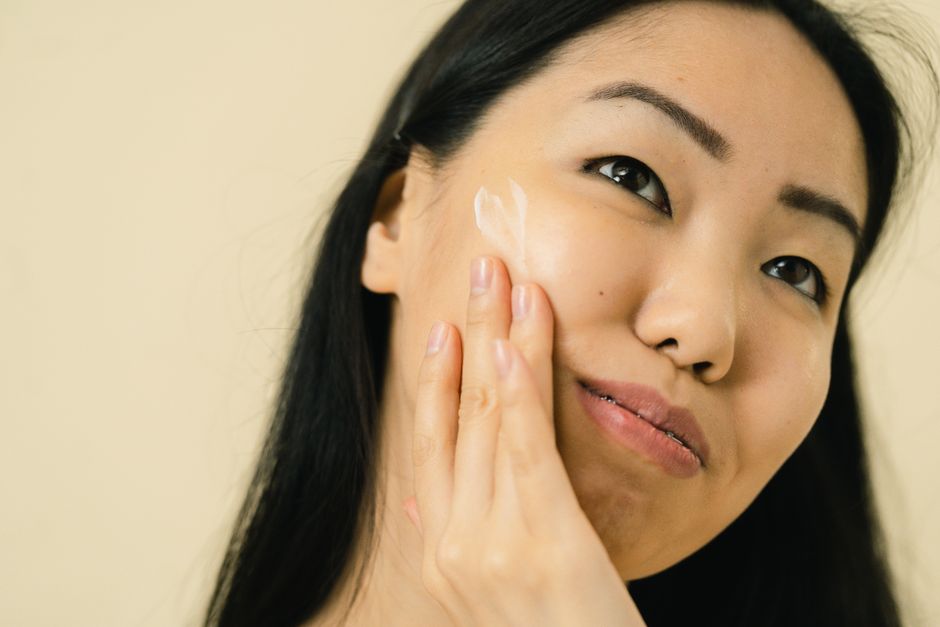
I spent three years throwing actives at my cystic acne. Benzoyl peroxide, salicylic acid, retinoids—you name it, I layered it. My skin got worse. Not just “purging” worse. Red, stinging, everything-burns worse. The cysts kept coming, deeper and angrier each time.
The turning point came when a dermatologist finally said something no skincare influencer had: “Your barrier is destroyed. Stop treating acne and start treating the skin.”
Four months later, I had zero active cysts for the first time since 2026. This is exactly what I did.
The Skin Barrier-Acne Connection Nobody Talks About
A compromised moisture barrier isn’t just about dryness or stinging. It directly drives acne through three mechanisms that most “acne-fighting” routines actually make worse.
First, a damaged barrier loses water at an accelerated rate. The skin responds by overproducing oil to compensate. That excess sebum mixes with dead skin cells and bacteria—the exact recipe for a cyst. You strip your skin, it panics, it produces more oil, you get more acne. The cycle is vicious.
Second, barrier damage creates microscopic cracks in the skin’s surface. Bacteria that normally sit harmlessly on top now have entry points into deeper layers. A p. acnes invasion that would’ve been a tiny whitehead on healthy skin becomes a deep, inflamed cyst on compromised skin.
Third, chronic low-grade inflammation from a damaged barrier makes every breakout worse. Your skin is already in a heightened inflammatory state before a pimple even starts. When one forms, the immune response is disproportionate—swelling, pain, and post-inflammatory marks that linger for months.
If you’re using multiple actives and your acne is getting worse, not better, your barrier is almost certainly the problem. Not the acne itself.
What I Stopped Using Immediately

This part was harder than adding anything new. I had to quit products I was emotionally attached to because they “should” work.
- All foaming cleansers. Even the “gentle” ones labeled for sensitive skin. Foaming agents strip lipids your barrier desperately needs. I switched to the Vanicream Gentle Facial Cleanser ($9, 8oz)—zero surfactants that foam, zero irritants. It feels like washing with lotion. That’s the point.
- Any product with fragrance or essential oils. Not just “irritating” ones. All of them. On compromised skin, even “natural” fragrances trigger inflammation. Lavender oil, citrus extracts, eucalyptus—gone.
- Chemical exfoliants entirely. No salicylic acid. No glycolic acid. No lactic acid. Not even once a week. The barrier can’t heal if you keep dissolving the mortar between your skin cells.
- Vitamin C serums. Ascorbic acid at low pH is an active exfoliant. On a damaged barrier, it’s fuel on a fire. I shelved my $80 vitamin C for four months.
- Niacinamide above 5%. The 10% serums everyone loves? On broken skin, they sting and flush. Studies show niacinamide’s benefits peak around 5% anyway. Higher percentages just increase irritation risk.
The first week felt wrong. My skin looked dull. I panicked about clogged pores. Push through it.
The Exact Barrier Repair Protocol
This routine has three steps, twice daily. That’s it. No spot treatments, no masks, no “just this one extra thing.”
AM Routine
1. Rinse with lukewarm water only. No cleanser in the morning. Your skin didn’t get dirty overnight. The natural lipids it produced while sleeping are exactly what your barrier needs. Don’t wash them off.
2. Apply a barrier-supporting moisturizer to damp skin. I used Avene Cicalfate+ Restorative Protective Cream ($28, 40ml). It contains a patented postbiotic (C+-Restore) derived from Avene thermal spring water, plus zinc-copper sulfate complex that’s been shown to reduce staph aureus colonization—a bacteria that thrives on compromised skin and worsens acne inflammation. The texture is thick. It leaves a white cast. Apply to damp skin and it spreads fine.
3. Sunscreen. Every single day. UV exposure degrades barrier lipids and prolongs inflammation. I used Beauty of Joseon Relief Sun SPF50+ ($18, 50ml). It’s one of the few sunscreens that didn’t sting my raw skin, and the rice extract plus probiotics actually support barrier repair rather than just protecting from damage.
PM Routine
1. Cleanse with Vanicream Gentle Facial Cleanser. One pump. 60 seconds of gentle circular motion. Rinse thoroughly. Pat dry—never rub.
2. Apply Avene Cicalfate+ to damp skin. Same as morning.
3. Seal with a thin layer of La Roche-Posay Cicaplast Baume B5 ($17, 40ml) on active cysts and any red, stinging areas. This isn’t a moisturizer—it’s a treatment balm with 5% panthenol (vitamin B5), madecassoside from centella asiatica, and a polymer matrix that creates a breathable protective film. It reduces transepidermal water loss by up to 40% overnight based on L’Oreal’s own published research.
Barrier Repair Product Comparison

I tested three barrier creams during this process. Here’s how they stack up for acne-prone skin specifically.
| Product | Key Barrier Ingredients | Texture | Best For | Watch Out For |
|---|---|---|---|---|
| Avene Cicalfate+ ($28) | Postbiotic C+-Restore, zinc-copper sulfate, thermal spring water | Thick cream, slight white cast | Active inflammation, staph-prone skin | Too heavy for oily zones in humid weather |
| La Roche-Posay Cicaplast Baume B5 ($17) | 5% panthenol, madecassoside, shea butter | Balm, leaves a film | Spot treatment on cysts, overnight sealing | Can pill under other products; use as last step only |
| Krave Beauty Great Barrier Relief ($28) | Tamanu oil, niacinamide (2%), ceramides, squalane | Lightweight serum-cream | Mild barrier damage, maintenance phase | Tamanu oil is comedogenic for some; not for acute repair |
For the acute repair phase, Avene Cicalfate+ won. Krave Beauty Great Barrier Relief is excellent for maintenance after your barrier heals, but it’s not heavy enough when your skin is truly damaged. Cicaplast Baume B5 is a sealing treatment, not a standalone moisturizer—use it over something else.
The Timeline: What Actually Happened
This wasn’t linear. Anyone who tells you barrier repair takes “a few days” hasn’t dealt with severe damage.
Week 1-2: My skin looked worse. Dull, slightly congested, no “glow.” I got two new cysts and almost quit. The dullness was my skin adjusting to not being stripped. The cysts were ones that would’ve formed anyway—inflammation that was already brewing before I changed anything.
Week 3-4: The stinging stopped. Products that used to burn on application felt like nothing. My skin stopped feeling tight after washing. No new cysts formed in week 4.
Month 2: Existing cysts flattened without ever coming to a head. This was new for me—normally every cyst surfaced painfully before healing. My skin looked calmer. Redness between breakouts faded noticeably.
Month 3: I reintroduced one active: Finacea 15% Azelaic Acid Gel (prescription, but The Ordinary Azelaic Acid Suspension 10% at $12 is the OTC alternative). Azelaic acid is the one active that doesn’t compromise barrier function—it actually reduces inflammation while unclogging pores. I applied it in the morning, under moisturizer, every other day.
Month 4: Zero cysts. Some closed comedones remained, but they were superficial and responded to the azelaic acid within weeks. My skin looked healthier than it had in years—not just “no acne” but even-toned, calm, resilient.
When Barrier Repair Alone Isn’t Enough
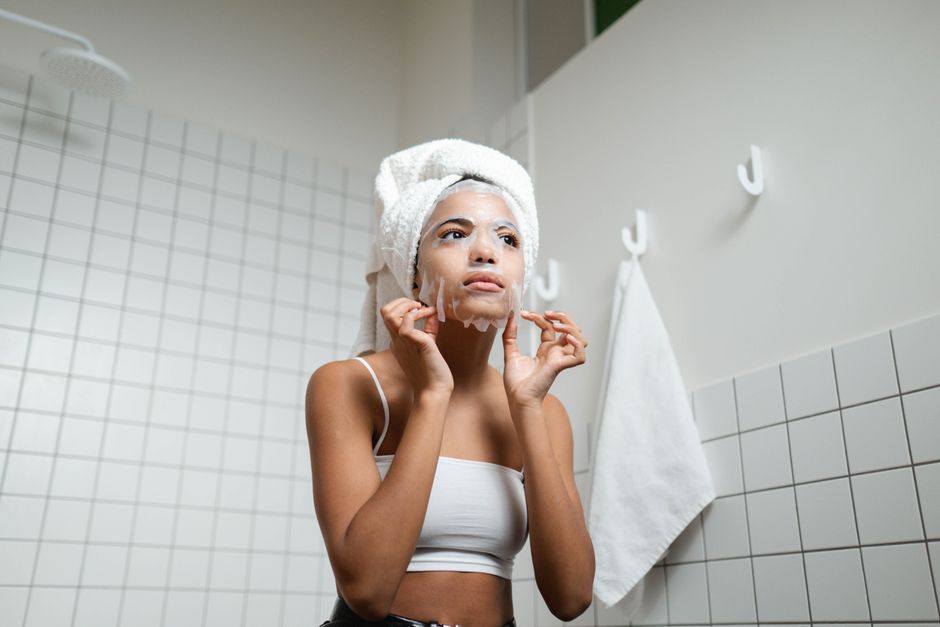
I need to be direct about this: if your cystic acne is primarily hormonal, no amount of barrier repair will stop it completely. You’ll reduce severity and frequency, but the root cause remains internal.
Signs your acne is hormonal and needs medical intervention alongside barrier repair:
- Cysts cluster exclusively on your jawline, chin, and lower cheeks
- Breakouts follow a predictable monthly pattern
- You’ve tried barrier repair for 8+ weeks with improvement but not resolution
- You have other hormonal symptoms: irregular periods, hair loss, unwanted facial hair
In this case, barrier repair is your foundation, not your whole treatment. Get your hormone levels tested. Spironolactone, combined oral contraceptives, or in some cases isotretinoin may be necessary. But here’s what matters: those treatments work better and cause less irritation when your barrier is intact before you start. Starting spironolactone with a destroyed barrier means months of painful, reactive skin. Starting it with a healthy barrier means you can tolerate the initial adjustment without collateral damage.
The barrier-first approach isn’t an alternative to medical treatment. It’s the preparation that makes medical treatment tolerable and effective.
The Mistake I See Repeated Constantly
People try barrier repair for one week, see a new pimple, panic, and spot-treat with benzoyl peroxide. Then they wonder why their skin is still red and stinging.
You cannot heal a barrier while simultaneously attacking it. You have to choose: treat the barrier or treat the acne. For at least 4-6 weeks, you cannot do both.
The other mistake: using barrier creams that contain acne triggers. Avene Cicalfate+ and La Roche-Posay Cicaplast are safe for most acne-prone skin. But many “barrier repair” moisturizers contain shea butter, coconut derivatives, or fatty alcohols at concentrations that clog pores. Check every ingredient. “Non-comedogenic” on the label means nothing—it’s an unregulated claim. Run ingredient lists through a comedogenicity checker and patch test for two weeks on one small area before applying to your whole face.
If you take nothing else from this: stop the actives. All of them. Give your skin one full month of nothing but gentle cleansing, barrier repair, and sunscreen. What you lose in “treatment” you’ll gain in your skin actually being able to heal itself—which is, ultimately, the only way cystic acne resolves permanently.