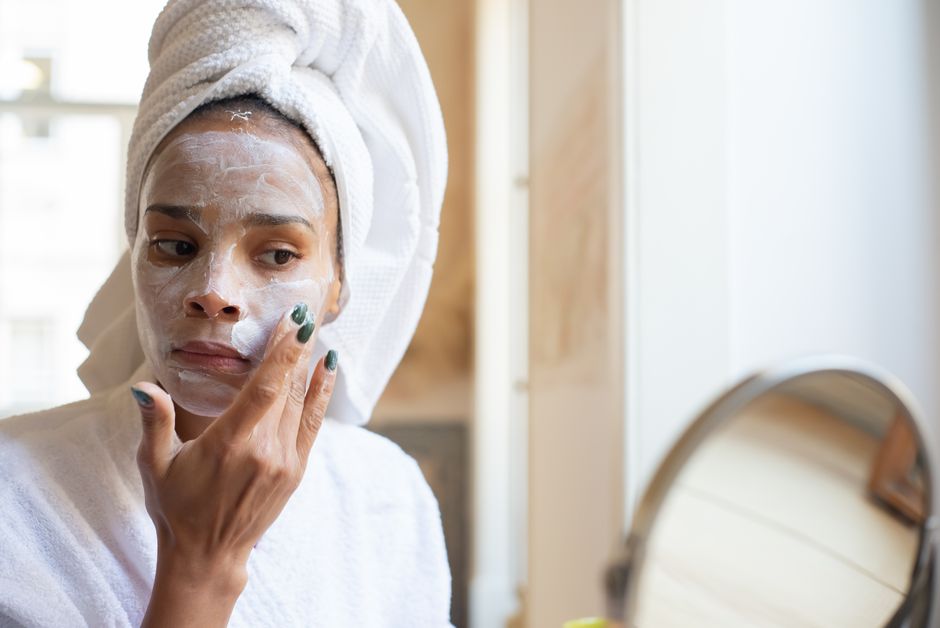
You’ve tried every salicylic acid cleanser and benzoyl peroxide spot treatment. Your face still looks like a battlefield — tiny, itchy bumps that won’t pop, clustered on your forehead, chest, and back. Sound familiar?
That’s not bacterial acne. It’s fungal acne — technically called Malassezia folliculitis. And treating it like regular acne makes it worse. Here’s how to fix it for good.
How to Know If You Have Fungal Acne (Not Regular Acne)
Fungal acne looks like small, uniform red or white bumps. They appear in clusters, often on the forehead, temples, chest, and upper back. The key difference: they itch. Bacterial acne rarely itches.
Another tell: nothing from the drugstore acne aisle works. Benzoyl peroxide, salicylic acid, retinol — they either do nothing or make the breakout angrier.
If you’ve been on antibiotics for acne and saw zero improvement, that’s a strong sign. Antibiotics kill bacteria. They don’t touch fungi. In fact, they can make fungal acne worse by wiping out the good bacteria that keep yeast in check.
One quick test: apply an over-the-counter antifungal cream (clotrimazole or ketoconazole) to a small patch for 3 days. If the bumps shrink or stop itching, it’s fungal.
What Causes Fungal Acne? (The Real Culprits)
Fungal acne is caused by an overgrowth of Malassezia yeast. This yeast lives on everyone’s skin normally. Problems start when something tips the balance in its favor.
Common triggers:
- Heavy sweating — especially if you don’t shower immediately after the gym
- Humid weather — yeast thrives in warm, moist environments
- Occlusive skincare — thick creams, oils, and silicones trap heat and sweat
- Antibiotic use — kills bacteria, leaving yeast unchecked
- Weakened immune system — less able to keep yeast populations under control
Here’s the part most people miss: your skincare products might be feeding the yeast. Malassezia eats certain oils — specifically fatty acids with carbon chains 11-24. That includes coconut oil, olive oil, shea butter, and many esters commonly found in moisturizers.
If your moisturizer contains any of these, you’re essentially putting yeast food on your face every night.
Ingredients That Actually Kill Fungal Acne (And One That Doesn’t)
Not all “acne-fighting” ingredients work on fungus. Here’s the breakdown of what kills Malassezia and what just wastes your money.
Ketoconazole (The Gold Standard)
Ketoconazole is an antifungal medication. It disrupts the yeast’s cell membrane, killing it directly. Available over the counter as a 1% shampoo (Nizoral) or 2% cream. Apply the shampoo as a face mask for 5 minutes, 2-3 times per week. The 1% version costs about $10 at Target. The 2% prescription version is stronger but requires a doctor.
Sulfur
Sulfur has mild antifungal and antibacterial properties. It works by breaking down into sulfur compounds that yeast can’t tolerate. Found in many spot treatments and masks. The De La Cruz Sulfur Ointment ($6) is a cult favorite. Leave on for 10 minutes, rinse. It smells like eggs. Accept this.
Salicylic Acid (Partial Help)
Salicylic acid doesn’t kill yeast. But it helps by exfoliating the dead skin cells yeast uses as a breeding ground. It’s a supporting player, not the lead. Use a 2% salicylic acid cleanser (like CeraVe SA Cleanser, $12) in combination with an antifungal treatment.
Tea Tree Oil (Weak Evidence)
Tea tree oil has shown some antifungal activity in lab tests. In real life, it’s too weak to clear a full breakout. Plus, it irritates many skin types. Skip it as a primary treatment.
What Does NOT Work
Benzoyl peroxide kills bacteria. It does not kill Malassezia. Using it on fungal acne is like using a flyswatter on a cockroach. You’ll irritate your skin and see zero improvement. Retinoids also don’t help — they increase cell turnover but don’t address the yeast overgrowth.
Your 4-Step Fungal Acne Routine (Products Included)
This routine strips down to the essentials. No oils, no esters, no feeding the yeast.
Step 1: Wash with an Antifungal Shampoo (3x/week)
Use Nizoral 1% Ketoconazole shampoo. Apply to damp skin, leave for 5 minutes, rinse. Do not leave it on longer — it can dry out your skin barrier. On off days, use a gentle cleanser like Vanicream Gentle Facial Cleanser ($9).
Step 2: Exfoliate with Salicylic Acid (2x/week)
Use a 2% salicylic acid toner or cleanser on non-Nizoral days. The Paula’s Choice Skin Perfecting 2% BHA Liquid Exfoliant ($34) is a solid option. Apply with a cotton pad, focus on bumpy areas.
Step 3: Use a Sulfur Mask (1x/week)
Apply De La Cruz Sulfur Ointment for 10 minutes. Rinse. This adds an extra layer of antifungal action without overdoing the ketoconazole.
Step 4: Moisturize with a Fungal-Acne-Safe Formula
This is the hardest part. Most moisturizers feed the yeast. Safe options include:
- Sebamed Clear Face Care Gel ($15) — water-based, no oils, no esters
- Hada Labo Gokujyun Premium Lotion ($16) — hyaluronic acid, no fatty acids
- Aveeno Calm + Restore Oat Gel Moisturizer ($20) — minimal ingredient list, fungal-safe
Apply a thin layer after cleansing. If your skin feels tight, you’re using too much antifungal shampoo — cut back to 2x per week.
Common Mistakes That Make Fungal Acne Worse
I’ve seen people spend months (and hundreds of dollars) on treatments that actually fed the yeast. Here’s what to avoid.
Using Heavy Moisturizers
If your moisturizer contains coconut oil, shea butter, cocoa butter, or any ingredient ending in “-oleate” or “-stearate,” stop using it immediately. These are yeast food. Switch to a gel or water-based formula.
Over-Washing
Washing your face more than twice a day strips your skin barrier. A damaged barrier lets more yeast penetrate deeper. Stick to morning and night. No more.
Using Hair Products That Drip on Your Forehead
Conditioners, hair oils, and styling creams often contain the same fatty acids that feed yeast. If you apply conditioner and then rinse, the runoff lands on your forehead and back. Rinse with your head tilted back. Wash your body after conditioning.
Expecting Results in 3 Days
Fungal acne takes 2-4 weeks to clear with consistent treatment. You’ll see reduced itching within the first week, but the bumps take longer to flatten. If nothing changes after 4 weeks, see a dermatologist. You might need a prescription antifungal like itraconazole.
When to See a Dermatologist (And What They’ll Prescribe)

If OTC treatments haven’t worked after 4 weeks, it’s time for professional help. A dermatologist can confirm the diagnosis with a skin scraping — they’ll look at the sample under a microscope for yeast cells.
Prescription options include:
- Ketoconazole 2% cream — stronger than OTC, applied once daily
- Itraconazole pills — oral antifungal, taken for 1-2 weeks. Side effects include nausea and liver enzyme elevation. Your doctor will monitor blood work.
- Fluconazole (Diflucan) — single 150mg dose or weekly dosing. Less effective than itraconazole for folliculitis but easier to tolerate.
Most cases resolve with topical treatment alone. Oral antifungals are reserved for widespread or stubborn cases. Expect to pay $30-60 for a prescription cream with insurance, or $10-20 with a GoodRx coupon.
Bottom line: Stop treating your fungal acne with bacterial acne products. Switch to an antifungal shampoo, use a fungal-safe moisturizer, and give it 4 weeks. If that doesn’t work, see a derm. The fix is simpler than you think — you just need the right tools.