You’re staring at two bottles. Each costs more than a nice dinner. One promises that retinol glow without the flaking. The other promises skin so hydrated it looks filtered in real life. Both have cult followings. Both get rave reviews. But they do completely different things.
Buying the wrong one means wasting $80 to $90 on a product that fights your skin instead of fixing it. Here’s the breakdown, no fluff.
The Core Problem Each Serum Solves
These two serums aren’t competitors. They solve opposite problems. If you mix them up, you’ll wonder why your expensive product doesn’t work.
Shani Darden Retinol Reform is an exfoliating and cell-turnover treatment. The active ingredient is encapsulated retinol, boosted by lactic acid. It targets texture, fine lines, clogged pores, and uneven tone. You use it to resurface your skin.
Tatcha The Silk Serum is a barrier-supporting hydration treatment. It doesn’t exfoliate. It doesn’t speed up cell turnover. It uses hyaluronic acid, silk extracts, and Tatcha’s Hadasei-3 complex to plump, smooth, and lock in moisture. You use it to strengthen and hydrate.
The fundamental question isn’t “which is better.” It’s “does my skin need exfoliation or hydration right now?” Most people get this wrong. They buy Retinol Reform when their barrier is already compromised. Or they buy The Silk Serum expecting it to clear texture issues. Neither works when misapplied.
Ingredient Breakdown: What You’re Actually Paying For
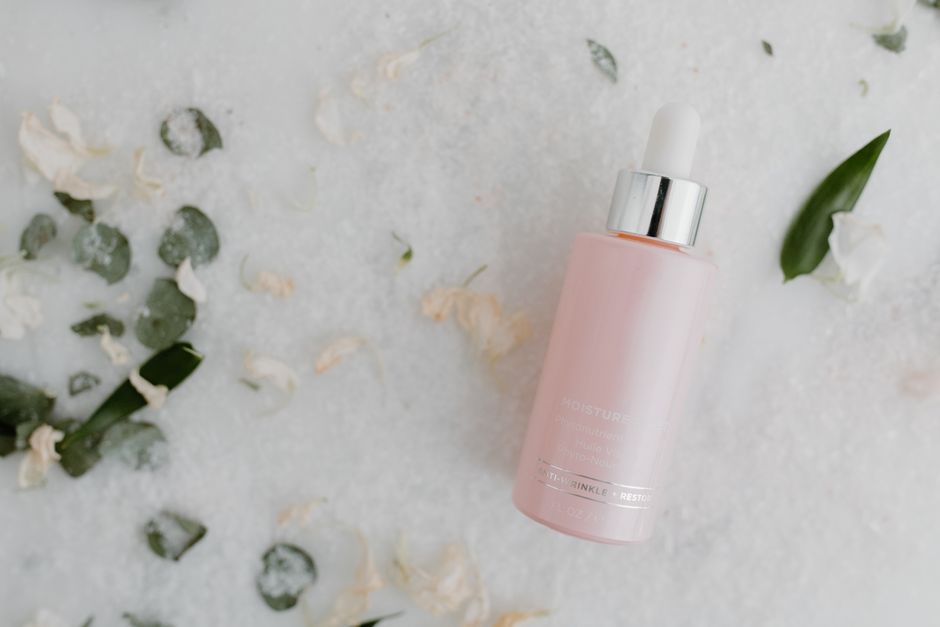
Shani Darden Retinol Reform
The star is encapsulated retinol. Encapsulation means the retinol releases slowly into your skin, reducing the irritation that makes people quit retinol after week two. The formula also includes lactic acid, an alpha-hydroxy acid that gently dissolves dead skin cells on the surface.
This combination matters. Retinol works deeper, telling skin cells to turn over faster. Lactic acid handles the surface debris. Together, they clear texture and fade dark spots faster than retinol alone. But this also means the product is potent. Even with the slow-release encapsulation, you’re getting a double exfoliation hit.
Other notable ingredients: aloe vera to soothe, niacinamide to support barrier function. The texture is a lightweight serum-cream hybrid that absorbs fast.
Tatcha The Silk Serum
This formula is built around three hydration layers. First, hyaluronic acid pulls water into the skin. Second, silk extracts and botanical sugars create a breathable film that prevents water loss. Third, Tatcha’s signature Hadasei-3 blend (rice, green tea, and algae ferment) delivers antioxidants and fatty acids.
There’s zero exfoliation here. Zero cell turnover acceleration. The entire formula is defensive: hydrate, protect, strengthen. It’s designed for skin that’s already irritated, dry, or over-exfoliated. The texture is a thick liquid that spreads like water but dries down with a slight grip.
Price comparison: Retinol Reform is $89 for 30ml. The Silk Serum is $82 for 30ml. Nearly identical price points, completely different functions.
When to Buy Retinol Reform (And When to Avoid It)
Buy Retinol Reform if you see visible texture issues. Small bumps on your forehead. Enlarged pores on your cheeks. Fine lines that look worse with makeup. Dark spots from old breakouts. These are all cell-turnover problems. Retinol Reform addresses them directly.
It also works well for people who’ve tried drugstore retinol and got nowhere. The encapsulated delivery plus lactic acid makes it more effective than basic retinol serums from The Ordinary or CeraVe. You’ll see results in 4 to 6 weeks with consistent use.
Do not buy Retinol Reform if:
- Your skin stings when you apply moisturizer
- You have visible redness or flaking
- You’re already using exfoliating acids daily
- You have eczema or rosacea flare-ups
- You can’t commit to daily sunscreen (retinol makes skin sun-sensitive)
I see this mistake constantly. Someone with a damaged barrier buys Retinol Reform hoping it’ll “fix” their rough texture. The roughness is dehydration, not dead skin buildup. Retinol makes it worse. If your skin feels tight after washing and looks dull but not bumpy, skip the retinol.
When to Buy The Silk Serum (And When It’s a Waste)
Buy The Silk Serum if your skin feels dry, tight, or looks crepey by midday. If foundation separates on your cheeks. If you’ve been using actives and your skin suddenly feels sensitive. This serum is a rescue product disguised as a luxury treatment.
It also works as a long-term barrier maintainer. If you use retinol, vitamin C, or exfoliating acids regularly, layering The Silk Serum underneath your moisturizer can prevent the slow-building irritation that eventually forces you to stop all actives.
Do not buy The Silk Serum if:
- You have clogged pores or active breakouts (it won’t clear them)
- You want visible anti-aging results (hydration plumps temporarily; it doesn’t rebuild collagen)
- You’re on a budget (Krave Great Barrier Relief and Stratia Liquid Gold do similar things for less)
The Silk Serum is a luxury hydration product. It feels incredible. The packaging is gorgeous. But if you’re choosing between this and a retinol for actual skin transformation, the retinol wins every time for long-term results.
| Feature | Shani Darden Retinol Reform | Tatcha The Silk Serum |
|---|---|---|
| Price | $89 / 30ml | $82 / 30ml |
| Primary Function | Exfoliation + cell turnover | Hydration + barrier support |
| Key Actives | Encapsulated retinol, lactic acid | Hyaluronic acid, silk extracts, Hadasei-3 |
| Best For | Texture, fine lines, dark spots, pores | Dehydration, tightness, barrier repair |
| Worst For | Compromised barriers, sensitive skin | Acne, clogged pores, deep wrinkles |
| Results Timeline | 4-6 weeks for texture improvement | Immediate hydration; 2 weeks for barrier repair |
| Use Frequency | Start 2-3x/week, build to nightly | Daily, morning and/or night |
Can You Use Both Together?
Yes, but only if your skin barrier is healthy. The combination can be powerful: Retinol Reform at night, The Silk Serum in the morning to replenish what the retinol depleted. Or layer them: The Silk Serum first, wait five minutes, then Retinol Reform. The hydration buffer reduces potential irritation.
But this doubles your serum budget to $171. Before committing, ask yourself: do you need both? If your skin handles retinol fine with a basic moisturizer, The Silk Serum becomes an expensive redundancy. A $20 hyaluronic acid serum from The Inkey List or Good Molecules does 80% of the same job.
If your skin fights retinol at every turn, The Silk Serum might be the product that finally lets you tolerate it. That’s where the value is—not as a standalone anti-aging product, but as an enabler for the products that actually change your skin.
The Verdict: Pick Based on Your Skin’s Current State

For visible texture changes, smoother makeup application, and fading dark spots: Shani Darden Retinol Reform is the clear winner. It’s one of the most effective over-the-counter retinols available, and the lactic acid boost means you get both surface and deep exfoliation. Worth the $89 if you’re serious about anti-aging.
For dehydrated, irritated, or overworked skin that needs recovery: Tatcha The Silk Serum is the better choice. It won’t transform your skin long-term, but it will make it look and feel better within days. Consider it a support product, not a hero product.
If you can only buy one and you don’t have active irritation: get Retinol Reform. Hydration you can get cheaper elsewhere. Effective, well-formulated retinol at this level is harder to find under $90.