
You want the gunk out of your pores. You don’t want your face to feel like sandpaper after washing it. Somehow those two goals keep colliding.
Most people grab the strongest salicylic acid cleanser they can find, scrub their face raw for two weeks, then wonder why they’re breaking out worse than before. The culprit isn’t the salicylic acid. It’s the formulation around it and how you’re using it.
I’ve tested fourteen salicylic acid cleansers over the past eight months. Five made my skin barrier wave a white flag within days. The rest? Actually workable. Here’s what separates the good ones from the moisture-stripping disasters.
What Salicylic Acid Actually Does Inside Your Pores
Salicylic acid is oil-soluble. That single fact is why it works and why most other exfoliants don’t touch blackheads.
Water-soluble exfoliants like glycolic acid sit on top of your skin and work on the surface. They’re great for texture and dullness. But they can’t get inside a pore that’s packed with sebum. Oil and water don’t mix. Salicylic acid cuts through that oil, slides into the pore lining, and breaks down the glue holding dead skin cells together.
That’s the mechanism. It’s not dissolving blackheads on contact. It’s loosening the cellular cement so your skin naturally sheds the clog over a few days. This is why you don’t see instant results from one wash. It’s also why overusing it backfires spectacularly.
The concentration sweet spot in a cleanser is 0.5% to 2%. Below 0.5%, you’re getting negligible exfoliation. Above 2%, you’re in leave-on treatment territory and a cleanser at that strength will almost certainly damage your barrier with daily use. The pH matters too. Salicylic acid needs a pH between 3.0 and 4.0 to work as an exfoliant. Many cleansers buffer their pH higher for mildness, which makes the acid less effective. You’re washing your face with expensive water.
The best formulations pair salicylic acid with barrier-supporting ingredients: glycerin, ceramides, panthenol, allantoin. If a cleanser lists salicylic acid as the star but the rest of the formula is sulfates and denatured alcohol, skip it.
10 Cleansers Ranked by How Much They Respect Your Skin
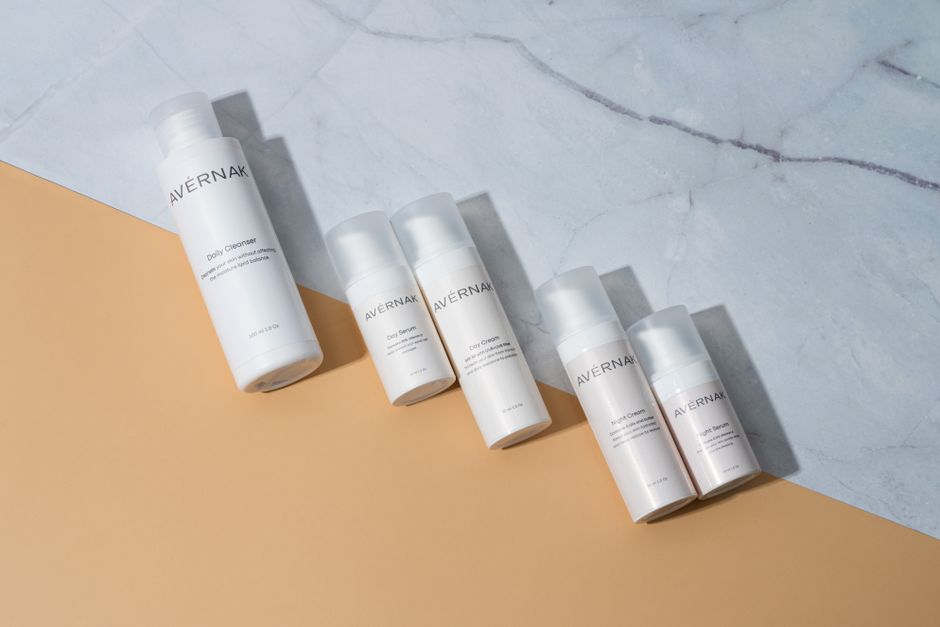
I’m ranking these from gentlest to strongest. Your pick depends entirely on your skin type and tolerance. Someone with oily, resilient skin will be bored by my top pick. Someone with combination skin will find my bottom pick unusable. That’s the point.
| Cleanser | SA % | Best For | Key Barrier Ingredient | Approx. Price |
|---|---|---|---|---|
| Cetaphil Gentle Clear Clarifying Acne Cream Cleanser | 2% | Dry, sensitive, acne-prone | Glycerin, shea butter | $10 |
| CeraVe Renewing SA Cleanser | Unlisted (est. 0.5-1%) | Normal to dry, rough texture | Ceramides NP, AP, EOP | $14 |
| La Roche-Posay Effaclar Medicated Gel Cleanser | 2% | Oily, clog-prone | Glycerin, thermal water | $18 |
| Paula’s Choice Clear Pore Normalizing Cleanser | 0.5% | Sensitive, redness-prone | Panthenol, allantoin | $19 |
| The Inkey List Salicylic Acid Cleanser | 2% | Oily, congested, budget | Glycerin, zinc compound | $11 |
| Cosrx Salicylic Acid Daily Gentle Cleanser | 0.5% | Combination, beginner | Tea tree oil, glycerin | $14 |
| Naturium Salicylic Acid Cleansing Gel 2% | 2% | Oily, breakout-prone | Glycerin, squalane | $18 |
| Zapzyt Acne Wash | 2% | Very oily, stubborn congestion | Aloe vera | $7 |
| PanOxyl Clarifying Exfoliant with 2% Salicylic Acid | 2% | Oily, non-sensitive | Glycerin | $12 |
| Neutrogena Oil-Free Acne Wash | 2% | Very oily, resilient skin only | None significant | $9 |
Notice a pattern? The cleansers at the bottom work for fewer people. Not because they’re bad products. Because they prioritize degreasing power over barrier preservation. The Neutrogena Oil-Free Acne Wash clears pores aggressively but leaves skin tight within 30 seconds of rinsing. For someone with truly oily, non-sensitive skin in humid weather, that might be fine. For everyone else, it’s a one-way ticket to overproduction of oil and rebound breakouts.
Why Your Cleanser Is Making Your Blackheads Worse
Here’s the cycle nobody warns you about. You start using a salicylic acid cleanser. Your skin feels cleaner than it ever has. Maybe a little tight, but you interpret that as “working.” Within a week, your forehead looks oilier by 2pm than it used to. You think the cleanser isn’t strong enough, so you use it twice a day. Maybe you let it sit on your skin for a minute before rinsing.
What’s actually happening: You’ve stripped your acid mantle. Your skin detects the loss and cranks up sebum production to compensate. More oil plus the dead skin cells you’re shedding from the exfoliation equals more clogs. The cleanser is causing the very problem you bought it to fix.
The fix is counterintuitive: drop frequency before you drop the product. Go to once-daily use, evening only. Morning cleanse with just water or a non-exfoliating gentle cleanser. Give your barrier four days to recalibrate. If the tightness disappears and the midday oil slick calms down, you’ve found your rhythm. If not, the formulation is too harsh for your skin and you need to switch to something lower on the table above.
Another common mistake: not rinsing thoroughly enough. Salicylic acid residue around the nostrils and jawline keeps exfoliating long after you’ve dried your face. Those areas get red, flaky, and irritated while the rest of your face looks fine. Rinse for a full 30 seconds longer than you think you need to.
How to Layer a Salicylic Acid Cleanser With the Rest of Your Routine

The order of your routine determines whether this cleanser helps or hurts. Get this wrong and you’ll blame the product for a problem you created.
Step 1: Oil cleanse first if you wear sunscreen or makeup
Salicylic acid can’t cut through a layer of foundation and SPF to reach your pores. It needs direct contact with skin. Use a basic oil cleanser or micellar water first, rinse, then go in with your SA cleanser. The Anua Heartleaf Pore Control Cleansing Oil ($20) or the Bioderma Sensibio H2O Micellar Water ($15) both work without leaving residue that blocks the SA from penetrating.
Step 2: Apply to damp skin, not wet and not dry
Soaking wet skin dilutes the cleanser before it has a chance to work. Bone-dry skin causes the cleanser to drag and you’ll use too much product trying to spread it. Splash once, shake off excess water, then apply a nickel-sized amount.
Step 3: Let it sit for 30-60 seconds
This is the step most people skip. Salicylic acid needs contact time. Not five minutes—that’s leave-on treatment territory and you’ll risk irritation—but a short pause before rinsing makes a measurable difference. Massage it in for 10 seconds, then let it sit while you brush your teeth.
Step 4: What goes on after matters more than the cleanser
You just exfoliated. Your skin is more permeable. Whatever you apply next will absorb deeper than usual. This is good if you’re applying barrier-repair ingredients. It’s bad if you’re slathering on a retinoid or vitamin C that your skin isn’t ready to handle at that depth. On SA cleanser nights, skip other actives. Use a simple moisturizer with ceramides—the CeraVe PM Facial Moisturizing Lotion ($13) or the Illiyoon Ceramide Ato Concentrate Cream ($18) both work. In the morning, you must wear sunscreen. Exfoliated skin burns faster. No exceptions.
When to Ditch the Cleanser and Use a Leave-On Product Instead
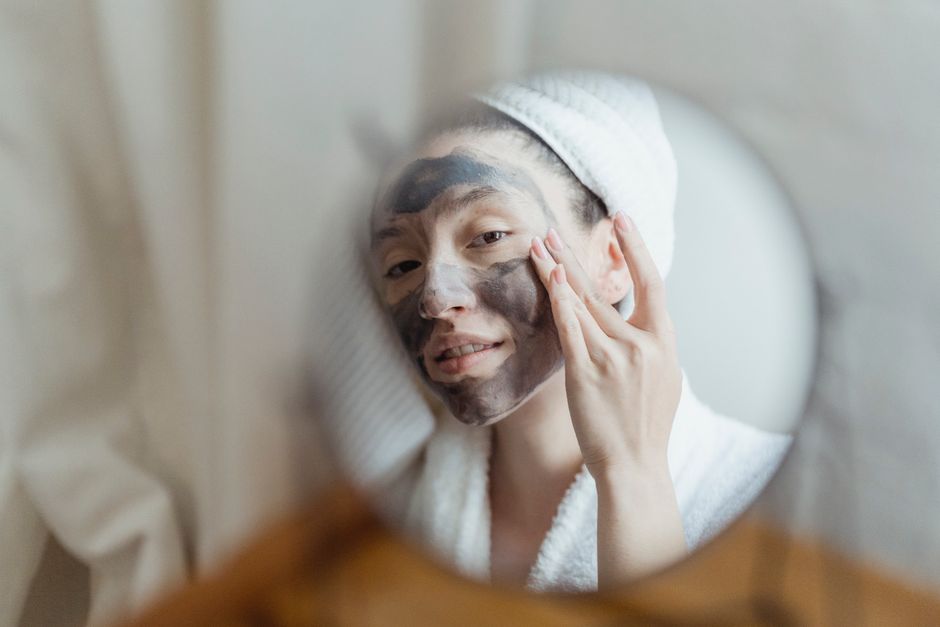
Sometimes a salicylic acid cleanser is the wrong tool entirely. If your blackheads are deep, stubborn, and concentrated on your nose and inner cheeks, a cleanser won’t touch them. The contact time is too short. You need a leave-on product.
The Paula’s Choice 2% BHA Liquid Exfoliant ($35) is the reference standard here. It stays on your skin for hours, working continuously. Use it two or three nights a week after cleansing with a gentle, non-exfoliating cleanser. The CeraVe Hydrating Cleanser ($15) or the Vanicream Gentle Facial Cleanser ($9) are the right partners for this approach.
Another scenario: your skin is already dry or compromised from retinoids, Accutane, or winter weather. Adding even a mild SA cleanser will make things worse. Focus on barrier repair first. Once your skin can handle a gentle moisturizer without stinging, you can reintroduce exfoliation slowly. Start with a 0.5% leave-on product used twice weekly, not a daily cleanser.
And if you’re dealing with inflamed cystic acne, not just blackheads and clogged pores, salicylic acid alone probably won’t cut it. Benzoyl peroxide targets the bacteria involved in inflammatory acne. A benzoyl peroxide cleanser like the PanOxyl 4% Benzoyl Peroxide Creamy Wash ($12) used in the morning, with a salicylic acid product at night, covers both angles. But don’t layer them in the same routine. That’s how you end up with a red, peeling face and a new fear of skincare.
The Cetaphil Gentle Clear Clarifying Acne Cream Cleanser is my default recommendation for anyone who’s burned their barrier before and is scared to try again. It’s the only 2% SA cleanser I’ve used that doesn’t foam aggressively and actually leaves skin feeling conditioned, not stripped. If your skin is oily and resilient, skip it and go straight to the La Roche-Posay Effaclar Medicated Gel Cleanser. It clears congestion faster and the thermal water in the formula helps buffer irritation better than most gel cleansers at this strength.